

Valves are everywhere in industrial processes—controlling flow, isolating equipment, and protecting systems from overpressure. Yet for many engineers and technicians, the range of options can feel overwhelming. This guide covers the fundamentals of industrial valves, with a closer look at three widely used types: the lined valve, the pinch valve, and the stainless steel ball […]

Обратный поток — одна из тех проблем, которые на бумаге кажутся незначительными, но на практике могут остановить всю технологическую линию. Простейшее решение — обратный клапан. Он позволяет жидкости двигаться в одном направлении и предотвращает её обратное движение. Но загляните в каталог любого поставщика клапанов, и вы быстро столкнетесь с выбором: поворотный обратный клапан […]

Выбор неправильного металла для трубопровода морской воды — дорогостоящая ошибка. Она приводит к преждевременному выходу из строя клапанов, незапланированным остановкам и высоким затратам на ремонт. Двумя наиболее распространенными материалами, используемыми в морских и опреснительных системах, являются нержавеющая сталь 316 и дуплексная сталь 2205. Оба металла хороши, но в соленой воде они ведут себя совершенно по-разному […]

Обозначения клапанов на схемах P&ID (Piping and Instrumentation Diagram), также называемые обозначениями клапанов P&ID или обозначениями клапанов P&ID, являются важными инструментами для инженеров, команд EPC и ремонтных бригад. Они позволяют быстро определить тип клапана, способ его управления и аварийное положение непосредственно на технологических схемах. Данное руководство служит справочным пособием по […]
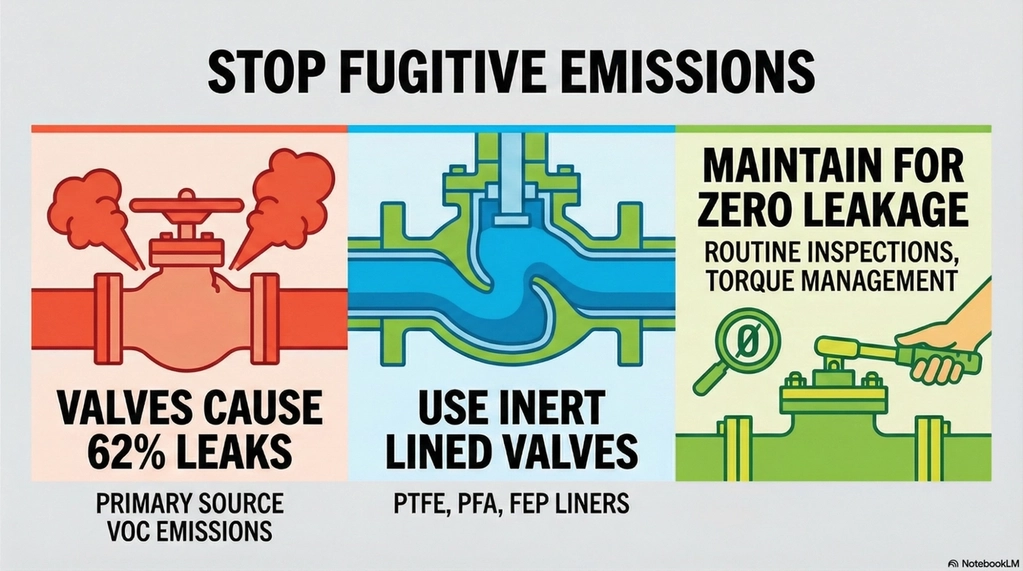
Решения для снижения выбросов газов через футеровку клапанов помогают решить одну из главных проблем современных промышленных предприятий. Утечки газов представляют собой серьезную проблему для современных промышленных объектов. Эти непреднамеренные утечки газов или паров происходят в местах соединений технологического оборудования, прокладках и уплотнениях, негативно влияя на экологическую безопасность и эффективность выбросов в процессе эксплуатации. Регулирование этих утечек является одной из основных задач […]

Клапан с фторсодержащим покрытием служит основным барьером против коррозионно-активных технологических жидкостей. Однако даже небольшие дефекты в покрытии могут привести к серьезным повреждениям системы или протечкам, часто называемым “провалами” или «точечными отверстиями». Эти дефекты, часто микроскопические зазоры, возникающие в результате производства, механических нагрузок или термических циклов, ставят под угрозу структурную целостность клапана. Объясняя стандартные методы […]
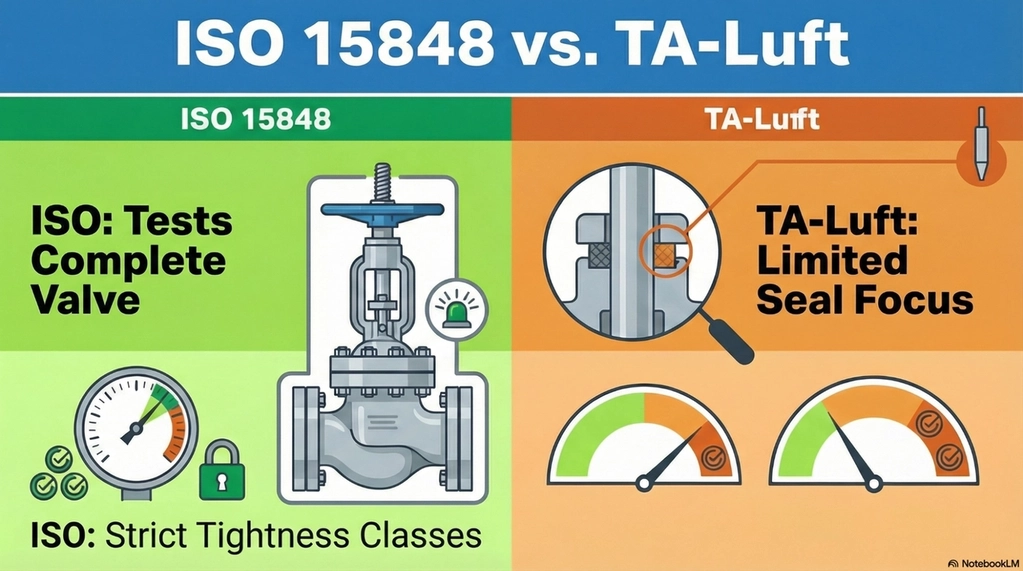
Решения для снижения выбросов утечек газа через футеровку клапанов помогают регулировать непреднамеренные утечки газа из клапанов, насосов и другого промышленного оборудования. Эти утечки могут негативно сказаться на экологической безопасности и соблюдении нормативных требований. Поэтому предприятиям необходимо выбирать соответствующие стандарты тестирования, чтобы гарантировать герметичность своих клапанных систем. В этом руководстве сравниваются стандарты ISO 15848 и TA-Luft, чтобы помочь определить, какой из них лучше подходит для снижения выбросов утечек газа […]
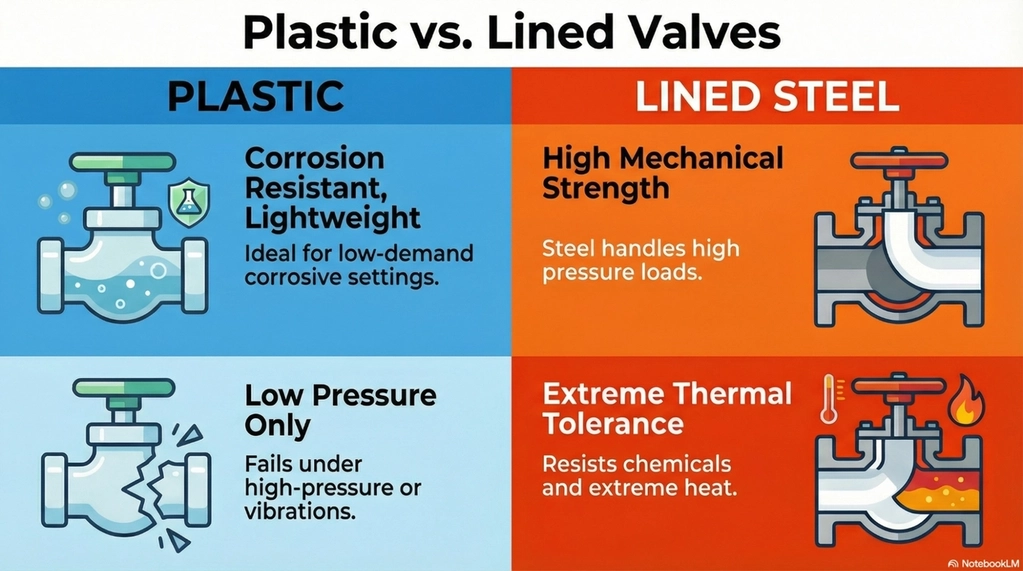
Правильный выбор компонентов трубопроводов напрямую влияет на эффективность системы регулирования потока и безопасность персонала в химической промышленности. Поэтому понимание свойств материалов помогает инженерам предотвращать утечки и преждевременный износ в промышленных трубопроводах. В этом руководстве описаны технические различия между пластиковыми и шаровыми кранами с футеровкой из ПТФЭ/ПФА, чтобы помочь вам принять обоснованные решения для различных […]

Решения на основе зажимных клапанов играют жизненно важную роль в переработке батарей по мере роста спроса на электромобили. Одна из главных проблем — управление “черной массой”, абразивным порошком, образующимся при механической обработке использованных батарей и последующем превращении их в высокоабразивную и коррозионную суспензию. В этом руководстве объясняется, как работает полнопроходная конструкция зажимного клапана […]

По своим эксплуатационным характеристикам в компонентах промышленного регулирования потока дисковые затворы с футеровкой из ПТФЭ и дисковые затворы с жестким уплотнением различаются. Поэтому инженеры должны выбрать правильную конструкцию, чтобы предотвратить сбои в технологическом процессе и утечки. В этой статье разъясняется, какой клапан подходит для конкретных требований к трубопроводам и условиям эксплуатации. Определение дисковых затворов с футеровкой из ПТФЭ и с жестким уплотнением. Покрытие из ПТФЭ (политетрафторэтилена) […]


