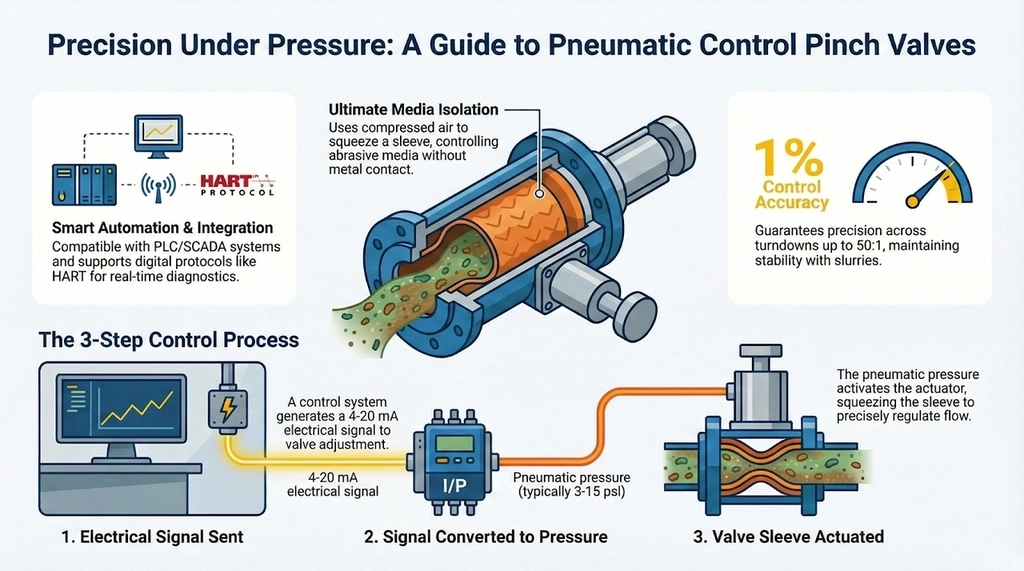
Industrial automation systems require valves that deliver precise flow control without compromising reliability in corrosive or abrasive media. A pneumatic control pinch valve excels as a modulating control valve, enabling precise flow to control pressure, temperature, or fluid levels. Using compressed air to gradually adjust the valve position allows smooth process control in mining, wastewater, […]
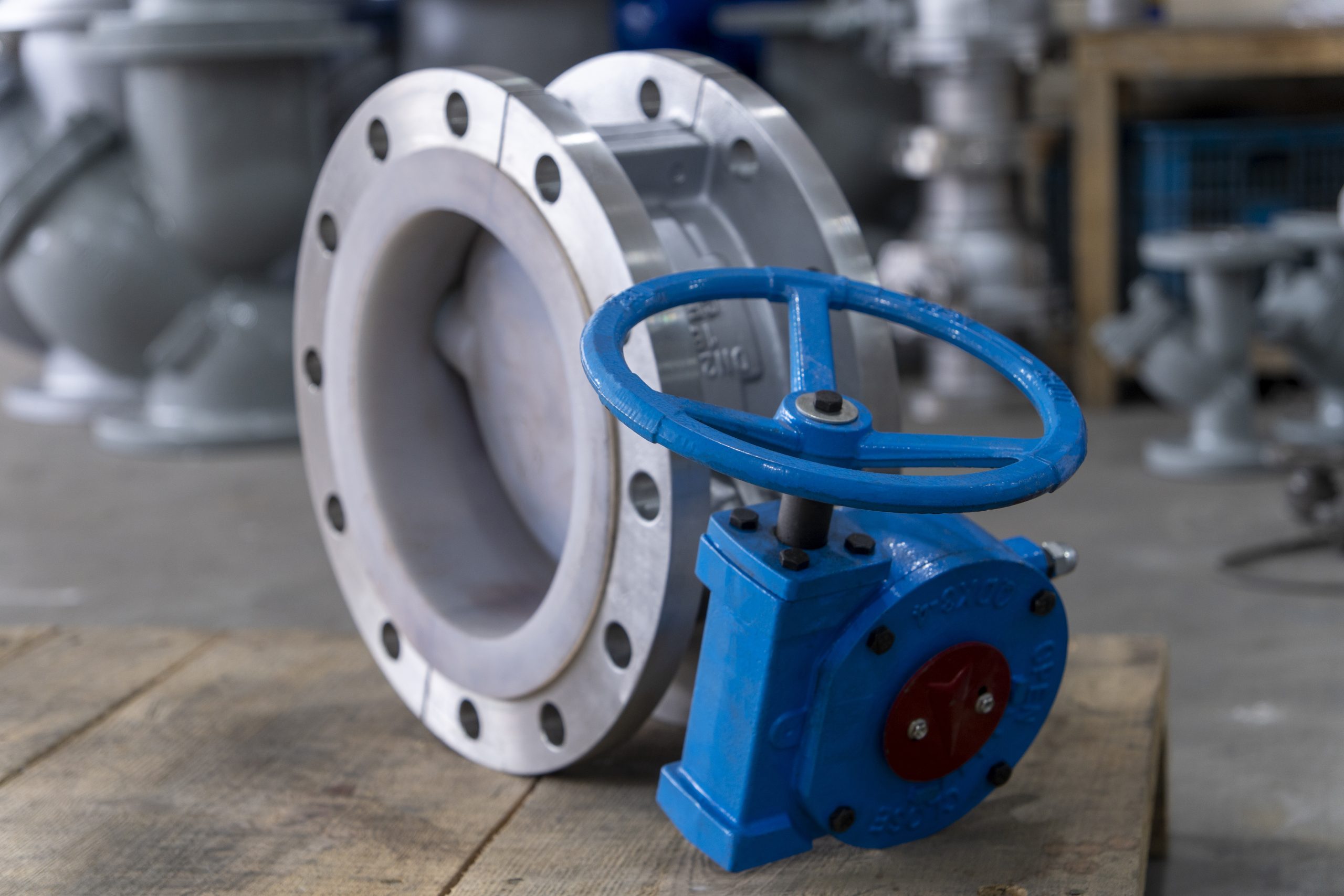
Polyurethane and rubber differ in durability, flexibility, and resistance to wear. For manufacturers, it often comes down to the application. Some industries need the toughness of polyurethane, while others rely on the flexibility and impact absorption of rubber. Let’s take a closer look at how these materials compare and where each one performs best. What […]

Viton and EPDM differ in their temperature range, chemical resistance, and flexibility. In industrial applications, manufacturers often use Viton to handle fuel, oil, and high-temperature environments. In water-based systems, EPDM makes for a better seal due to its resistance to steam and weather conditions. Let’s take a closer look at how they compare. EPDM vs […]
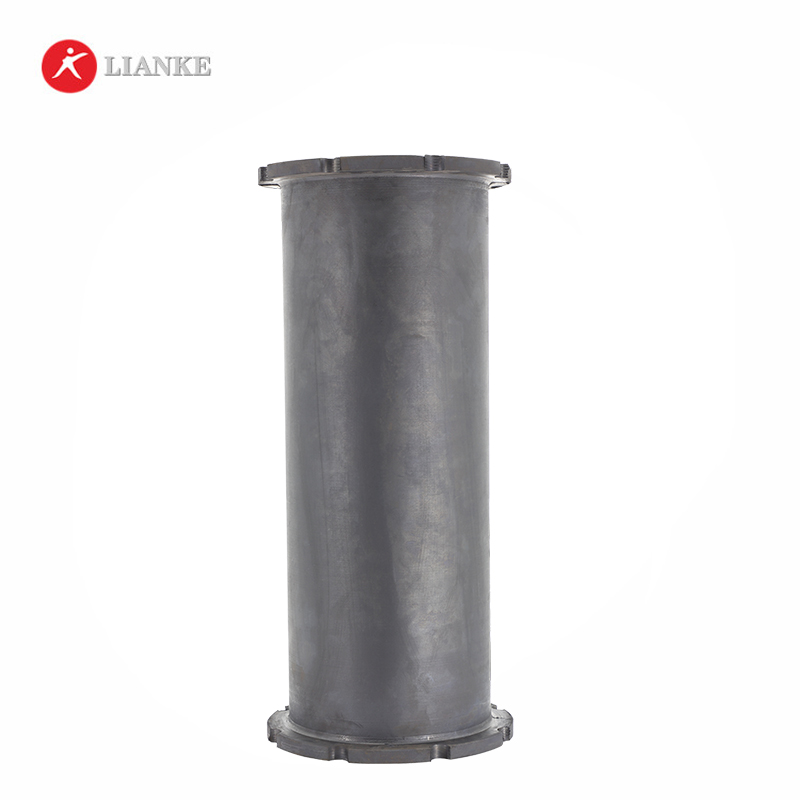
EPDM rubber (short for ethylene propylene diene monomer) is a synthetic rubber known for its durability and resistance to harsh conditions. Developed in the 1960s, it’s made from ethylene, propylene, and diene monomers. These properties make it tough enough to handle extreme environments without deforming like natural rubber. EPDM rubber is widely used in construction, […]

Full port and standard port ball valves differ in how much fluid they let through. A full port ball valve has an opening that matches the pipe size, allowing unrestricted flow. A standard port ball valve has a smaller opening, which slightly reduces flow but costs less. In this post, we’ll discuss how these valves […]

If you’re installing a pressure relief valve (PRV), you need to do it right. A bad install can cause leaks, pressure buildup, or system failure. Here’s what you need to know. Pressure Relief Valve Installation A properly installed PRV valve protects your equipment from overpressure and system failures. Follow these key steps to ensure a […]

Plastics and elastomers are essential materials in industries ranging from automotive manufacturing to medical devices. While both are polymers (long chains of repeating molecules), their properties and applications differ significantly. This guide breaks down their technical distinctions, backed by industry research and data, to help you make informed material choices. 1. Plastics and Elastomers: Core […]

Valve lubricants serve as critical operational components in industrial systems, preventing mechanical failures and maintaining functional integrity. Across sectors such as oil refining, water treatment, and chemical processing, valves regulate fluid and gas flow, with their operational reliability contingent on precise lubrication practices. This guide analyzes the technical necessity of valve lubricants, supported by empirical […]
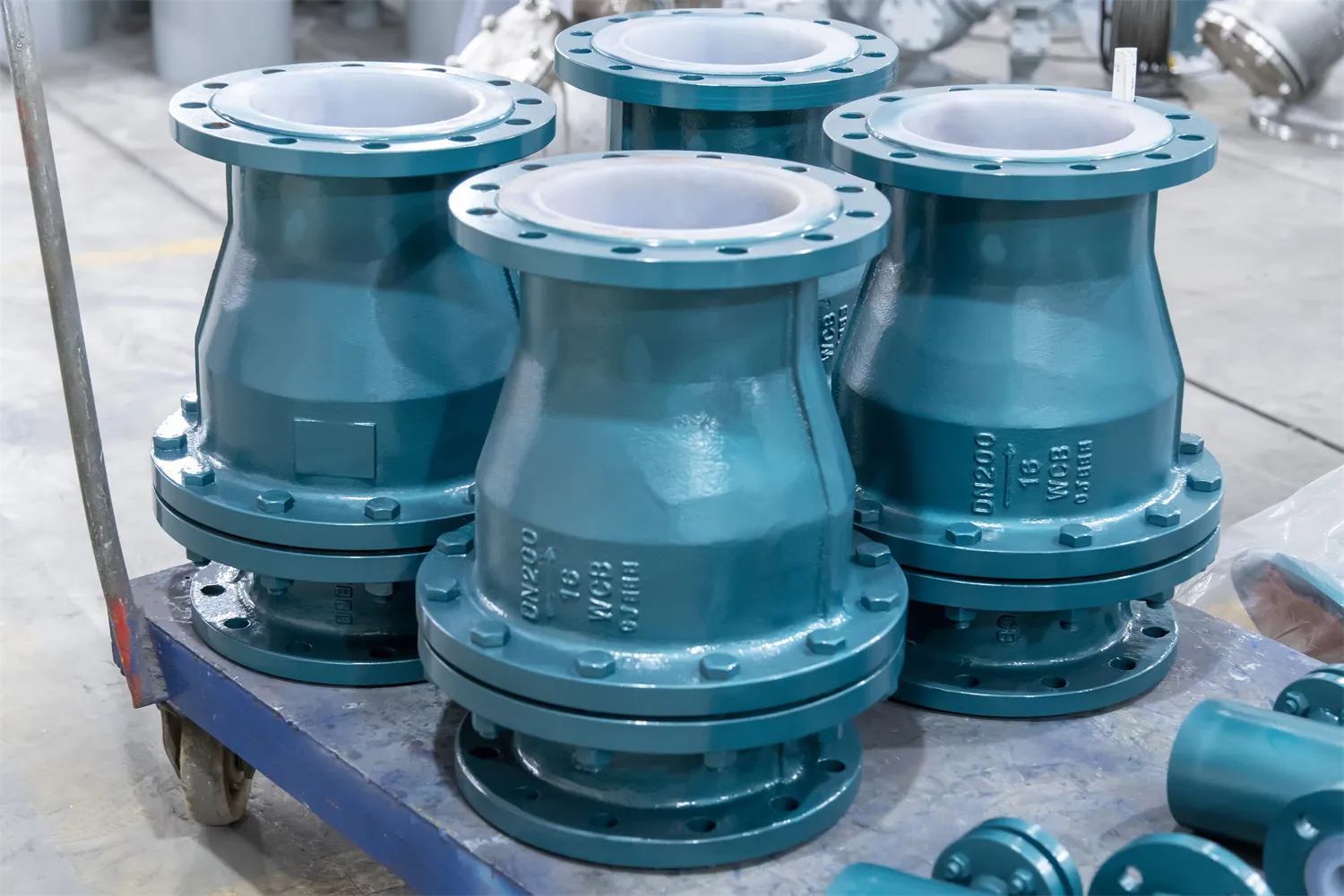
In industrial systems, check valves are critical for preventing backflow, protecting equipment, and maintaining process efficiency. However, improper installation can lead to premature wear, leaks, or even system failure. For engineers, mechanics, and technicians, understanding the technical nuances of check valve installation is essential. This guide breaks down key considerations, supported by industry standards and […]
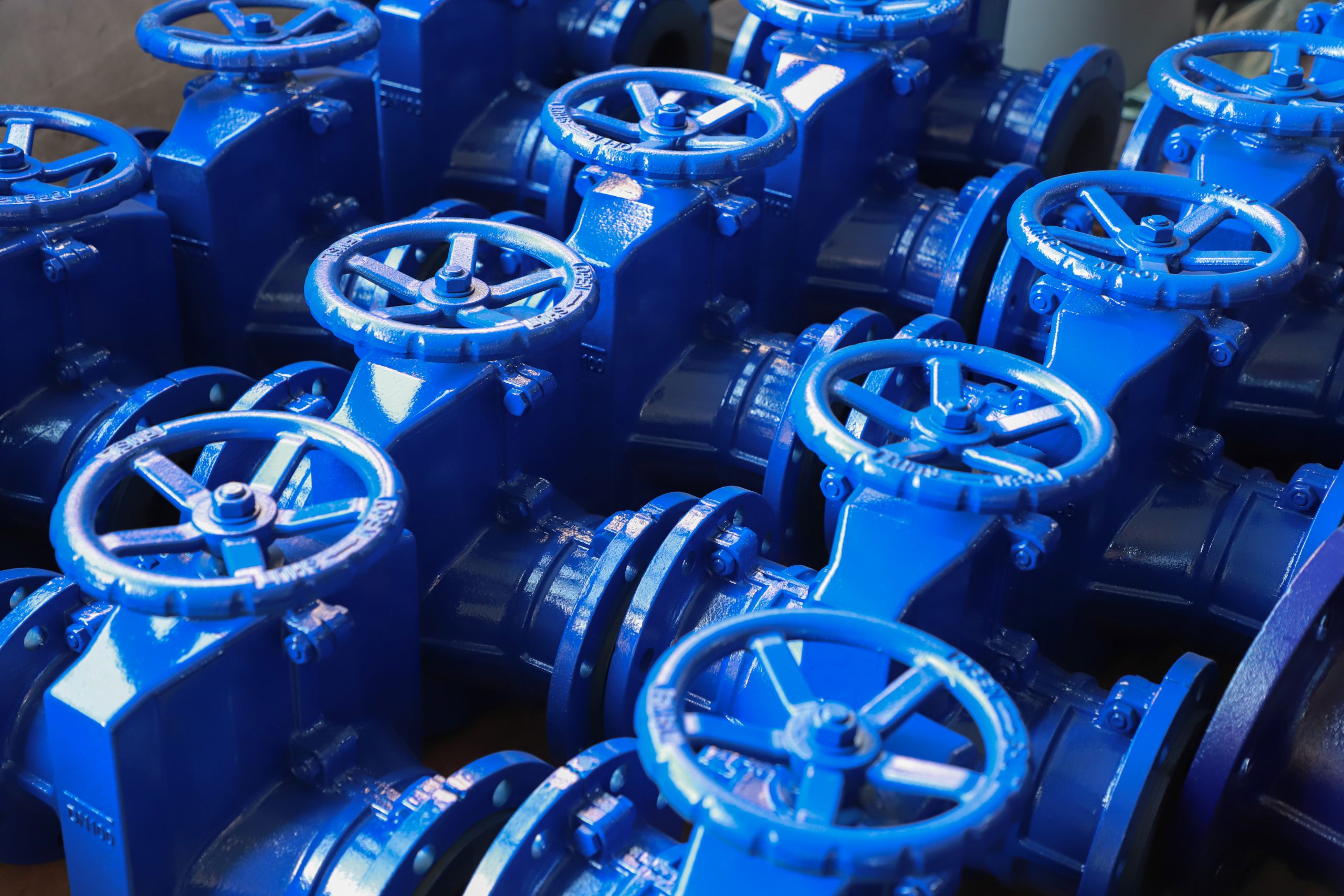
Have you ever wondered how to tell if a valve is open or closed? Knowing the valve’s status is crucial when dealing with a water valve open or closed, industrial piping, or home plumbing. Understanding how different valve types operate helps prevent leaks, pressure build-up, and system failures. In this guide, we’ll explain the different […]