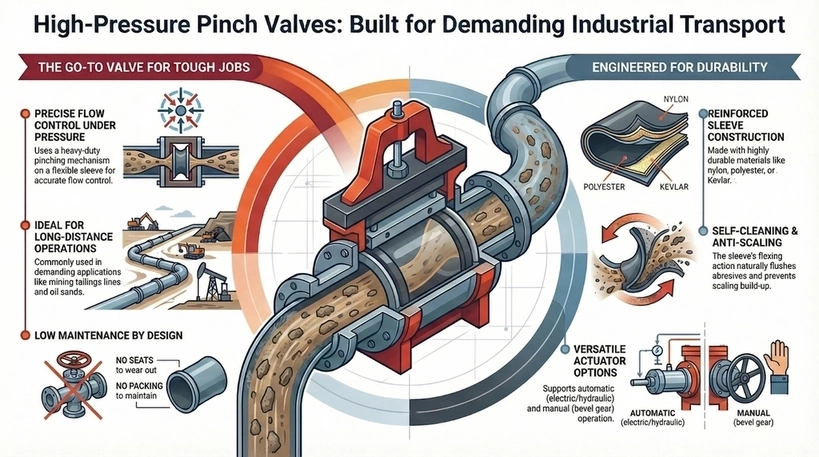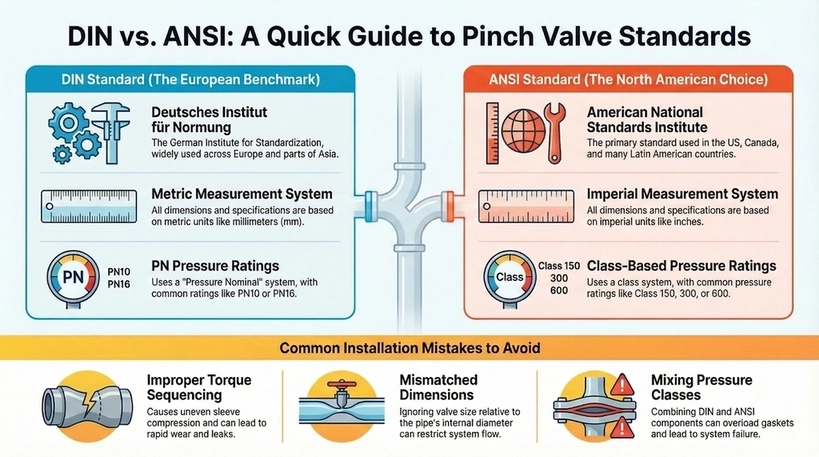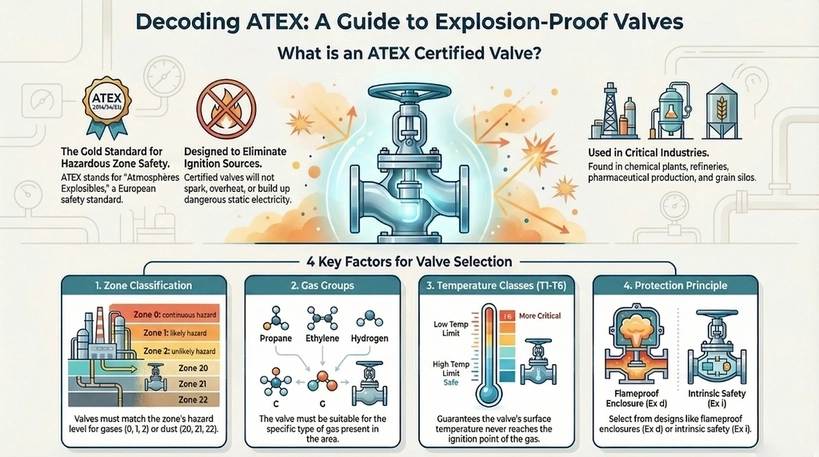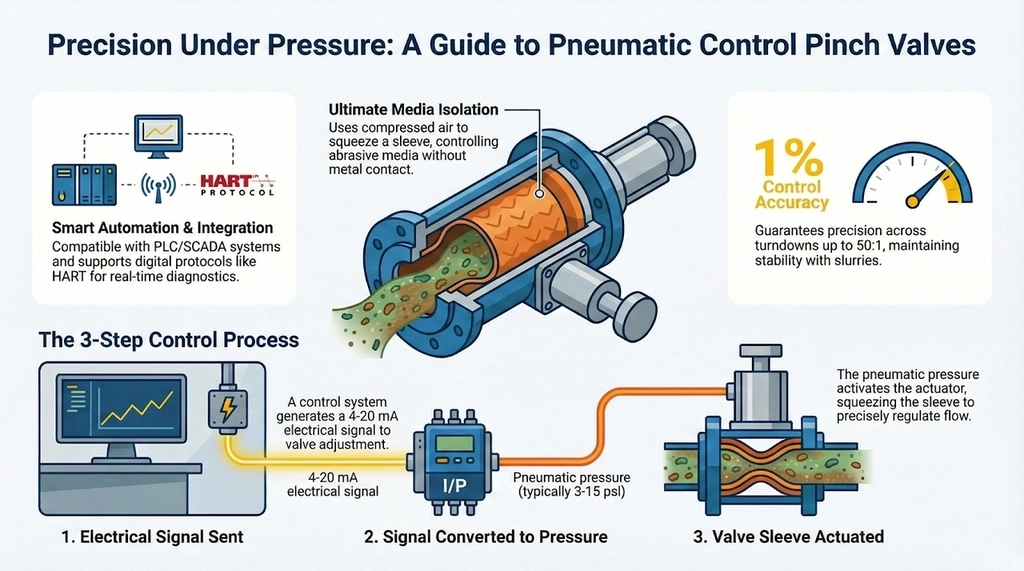
Industrial automation systems require valves that deliver precise flow control without compromising reliability in corrosive or abrasive media. A pneumatic control pinch valve excels as a modulating control valve, enabling precise flow to control pressure, temperature, or fluid levels. Using compressed air to gradually adjust the valve position allows smooth process control in mining, wastewater, […]
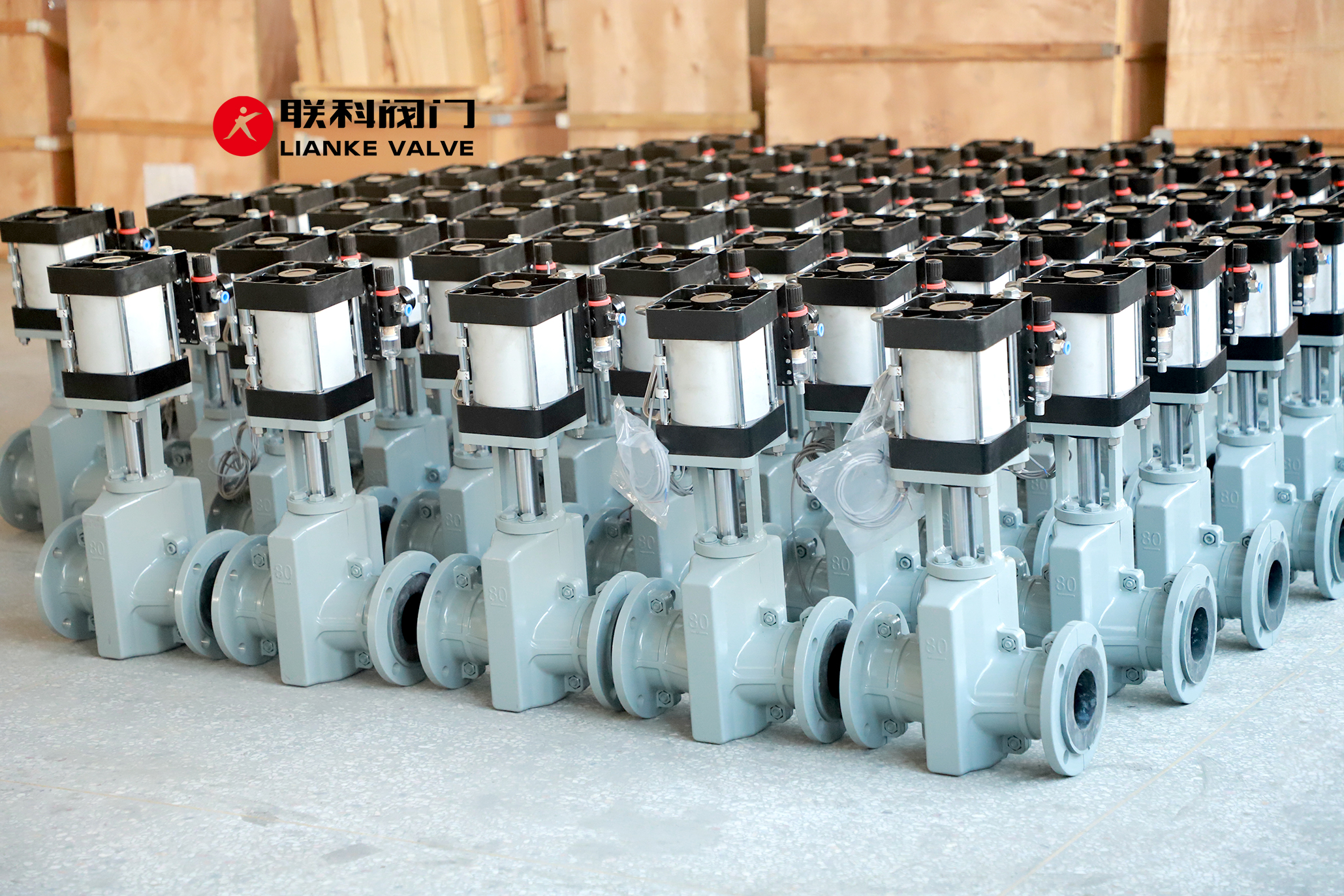
The most effective way to resolve pinch valve issues is to identify the root cause early—whether it’s sleeve wear, actuation failure, or leaks—and apply targeted troubleshooting steps to restore performance. Pinch valves are favored for their durability and simplicity in handling slurries, abrasive materials, and corrosive fluids. But like any component, they can develop problems […]
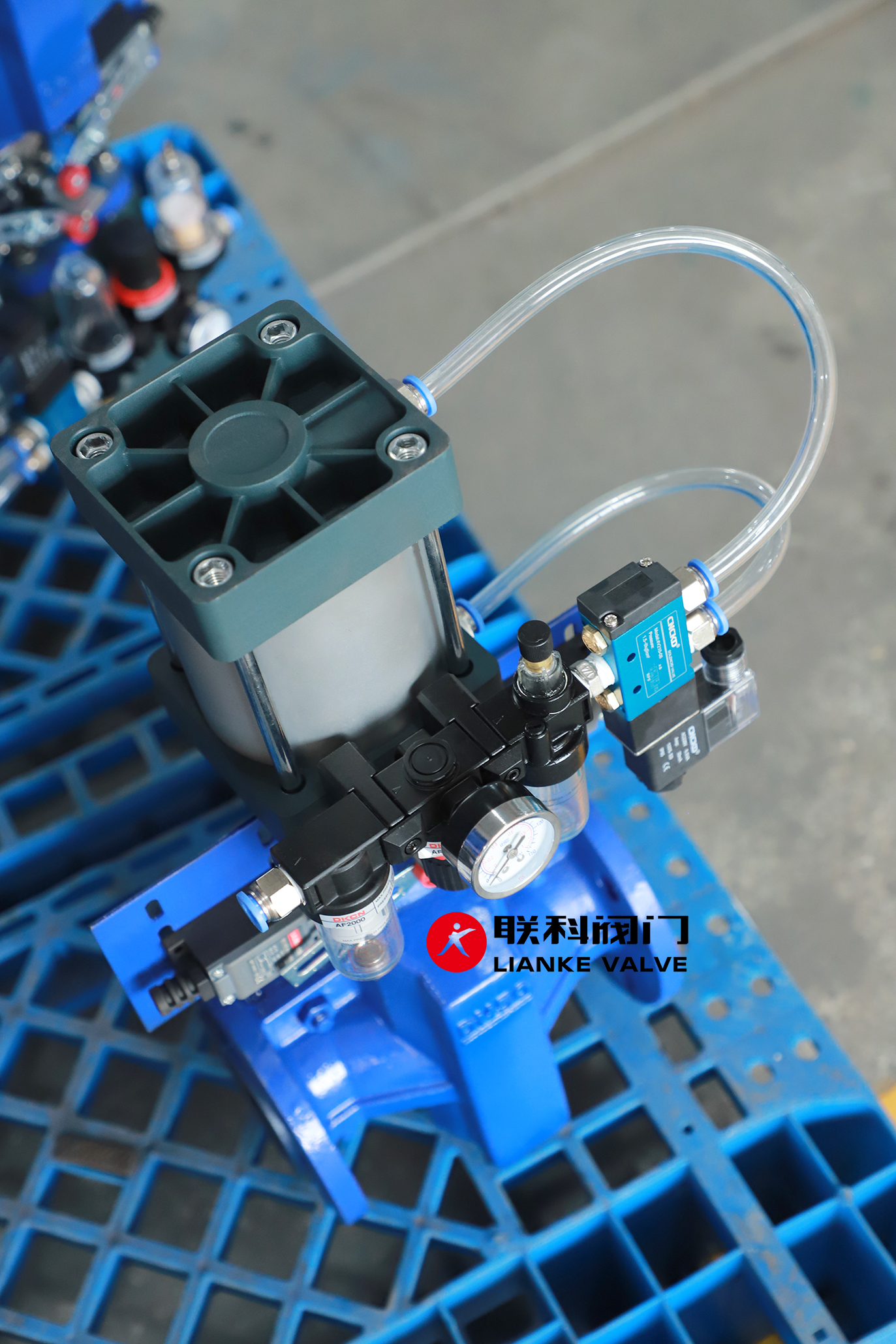
Pinch valves control the flow of abrasive or corrosive slurry materials because of their flexible sleeve design and unobstructed flow path. Slurries—mixtures of solids suspended in a liquid—are common in industries like mining, wastewater treatment, and chemical processing. These materials are often abrasive, viscous, or chemically reactive, which makes traditional valve types prone to wear […]
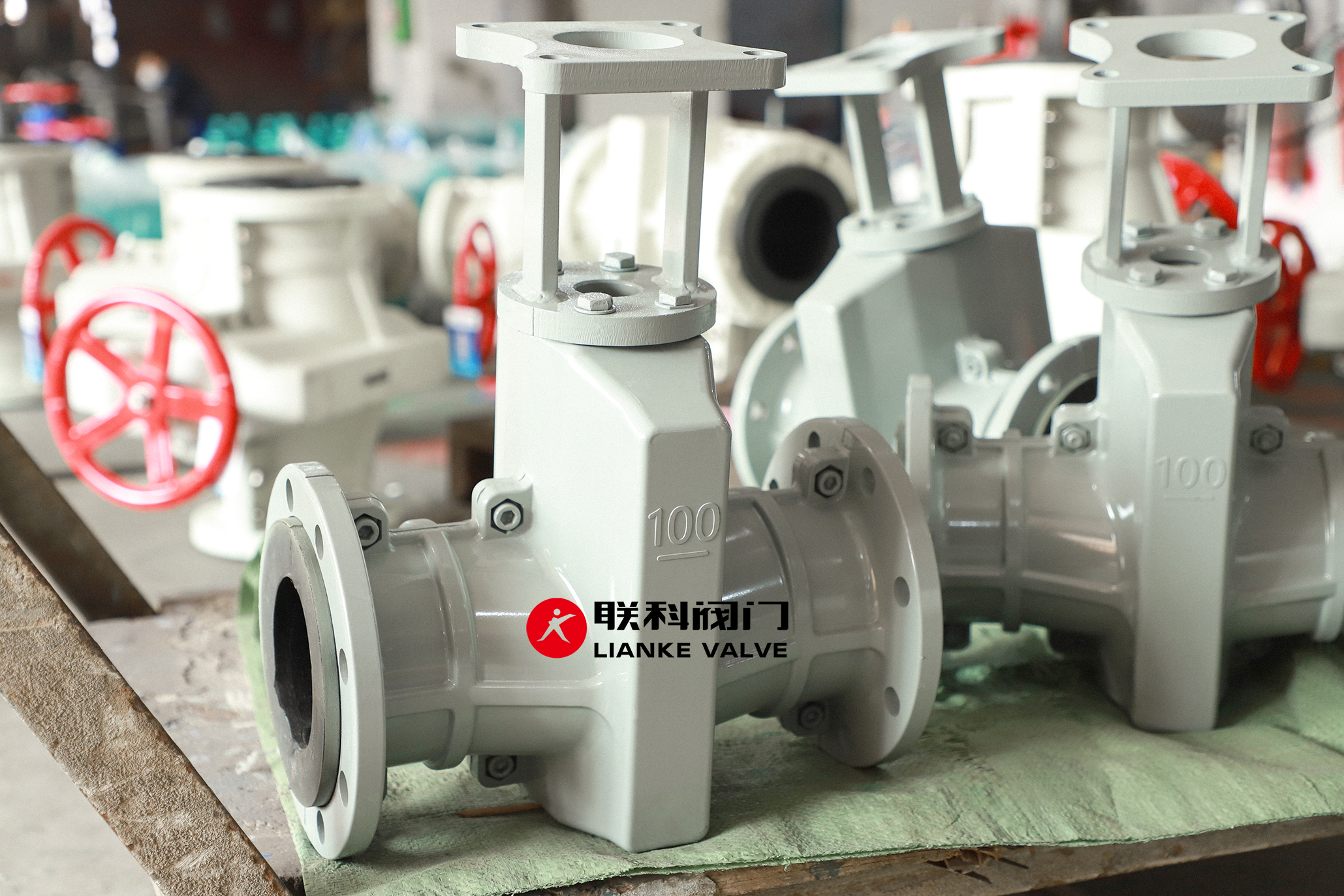
Pinch valves are available in a wide range of sizes, typically from ¼ inch to 24 inches, depending on the application and valve type. Their flexible and simple design allows them to control flow in systems that deal with abrasive, corrosive, or fibrous materials, making them a popular choice in many industries. Whether manual or […]

🚀 Lianke Valves Secures Major Export Order for 1,685 Units of Pinch and Lined Valves Our international business continues to thrive as we have recently signed a significant export order involving 1,685 units of pinch valves and fluorine-lined valves.This successful deal is not only a testament to the long-term trust between both parties, but also […]

What is A Diaphragm Valve? A diaphragm valve is a type of valve that uses a flexible diaphragm to control the flow of fluids. This valve is part of the linear motion family, which means the moving parts go in a straight line—not in circles like ball or butterfly valves. The elastomeric diaphragm in diaphragm […]
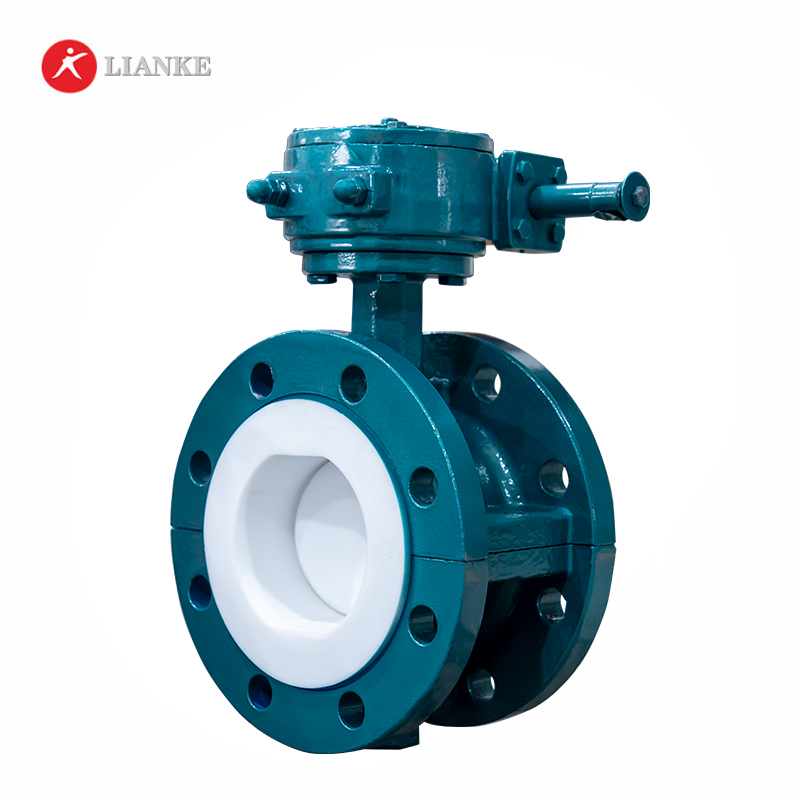
Your valve is leaking because something has gone wrong with its sealing system. Maybe the seals are worn out after years of service. Perhaps debris is stuck between critical surfaces. Or it could be that improper installation created misalignment from the beginning. These common problems prevent the valve from achieving perfect closure when you need […]
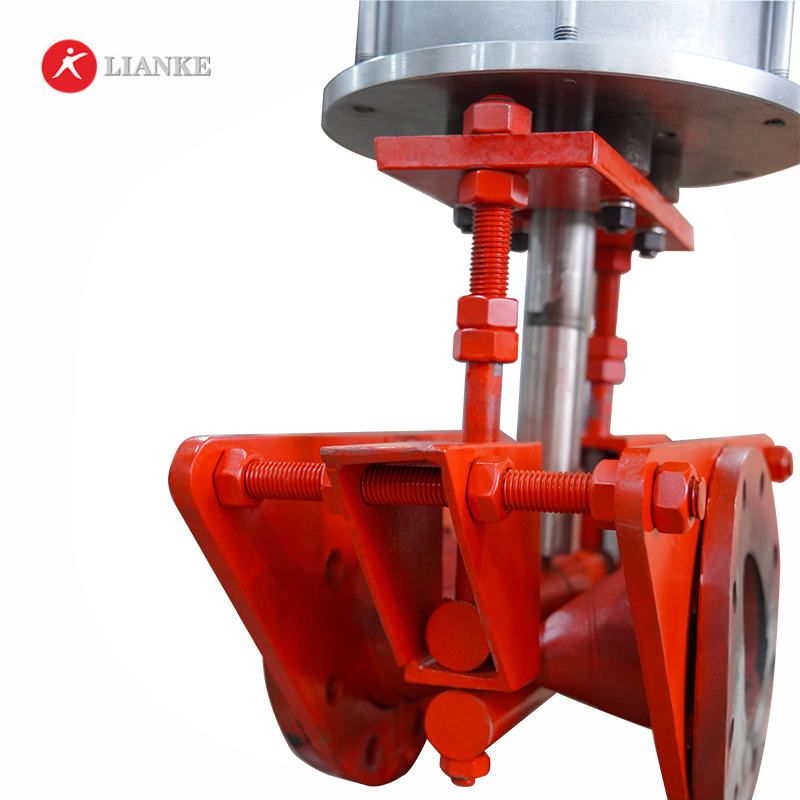
Valve Flow Coefficient (Cv) is a measure of a valve’s capacity to allow liquid or gas to flow through it. It’s technically defined as “the volume of water at 60°F (in US gallons) that will flow through a valve per minute with a pressure drop of 1 psi across the valve.” You calculate Cv by […]
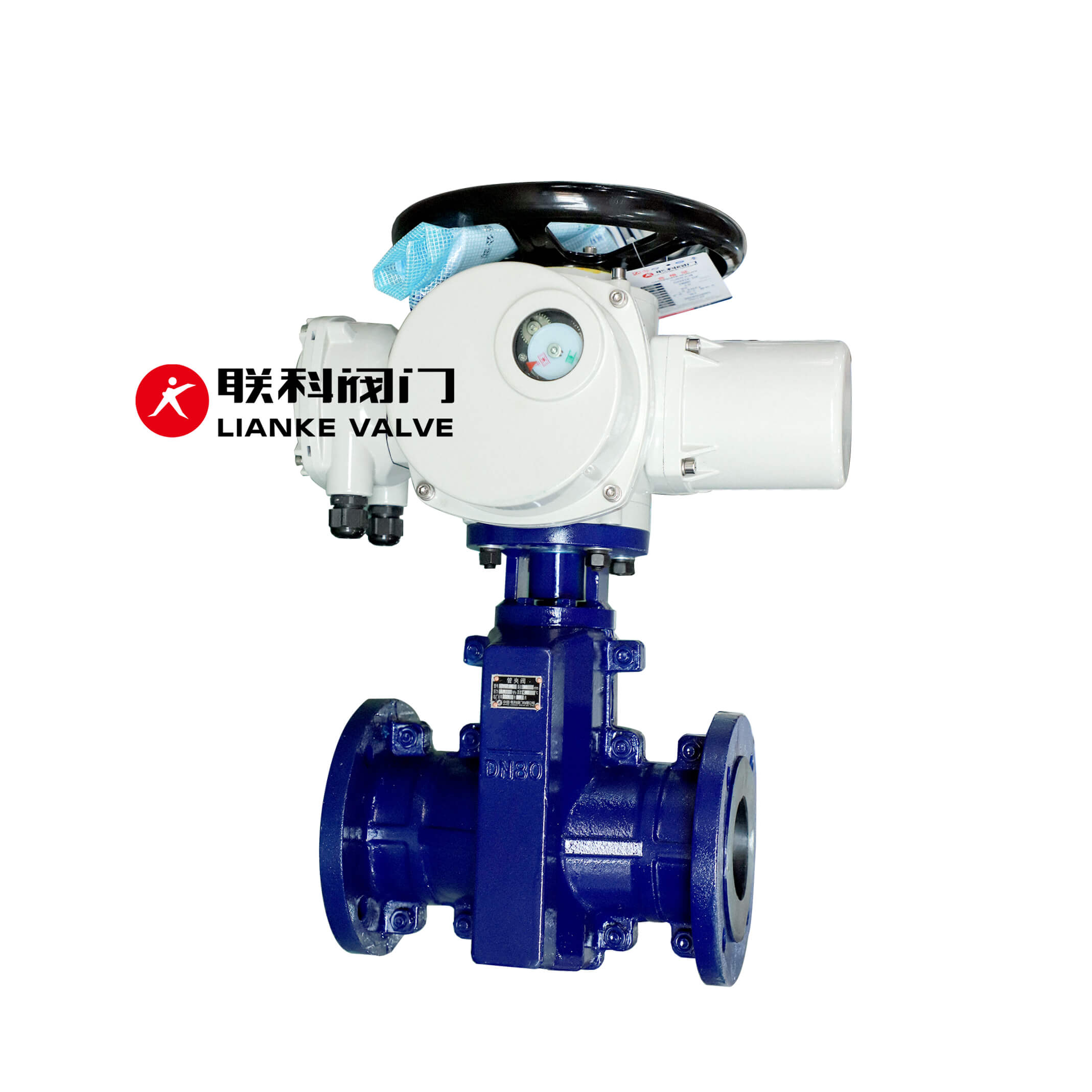
When selecting the right valve for industrial applications, understanding pressure and temperature ratings is crucial. Many professionals in the field struggle with terms like Class, Rating, and PN, which can lead to costly mistakes if misunderstood. This guide will help you understand these concepts so you can select valves with confidence. What Do Pressure Units […]
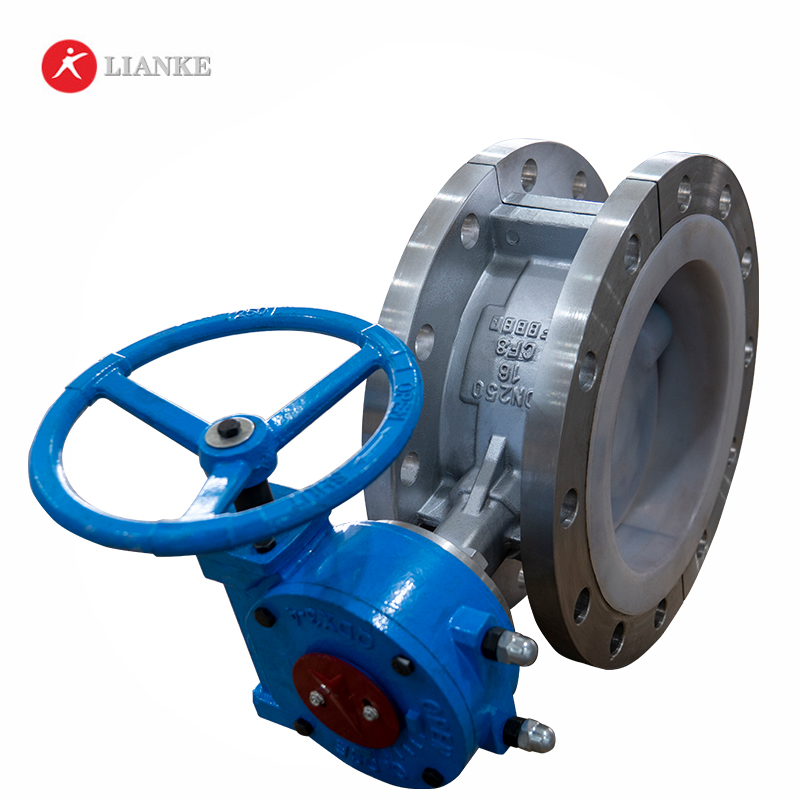
The main difference between plastic and elastomer comes down to flexibility and shape retention. Plastics are rigid or semi-rigid. Once they bend or break, they don’t bounce back. Elastomers are flexible. They stretch, twist, or compress and return to their original shape. Below, we’ll take a closer look at how these materials differ and the conditions […]