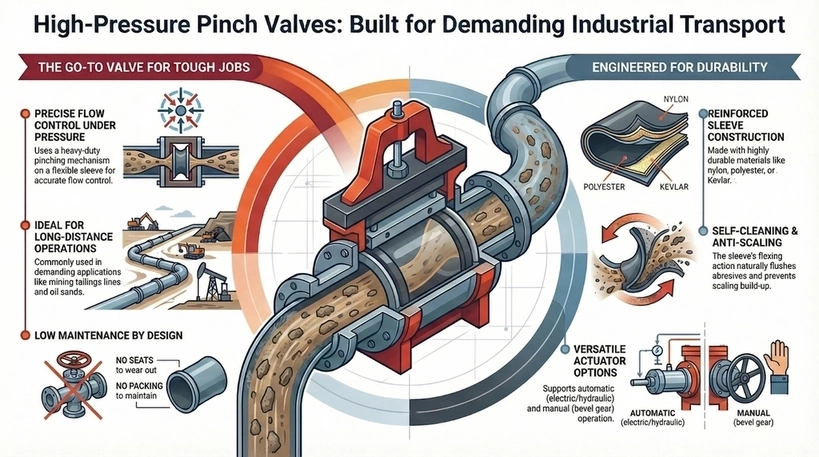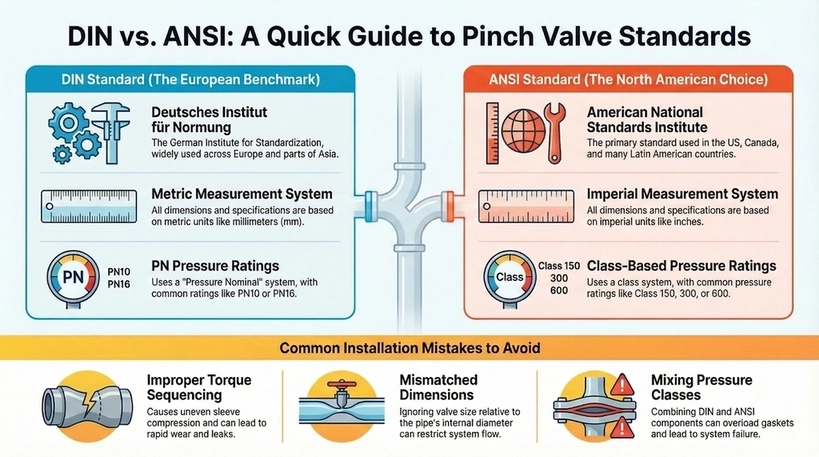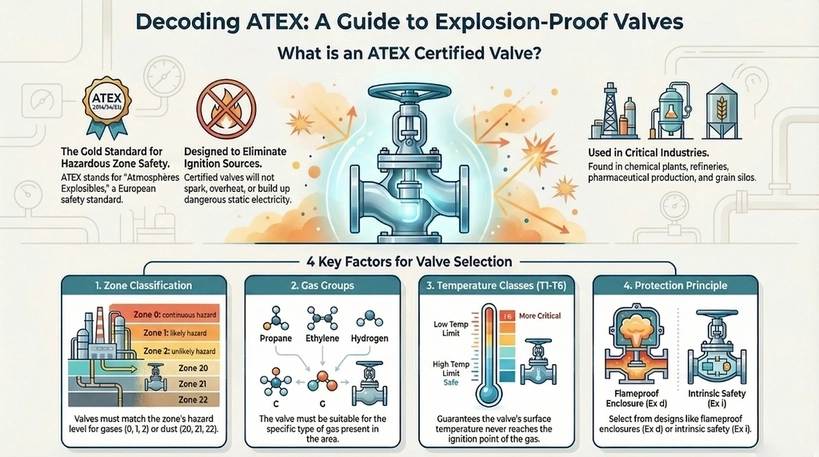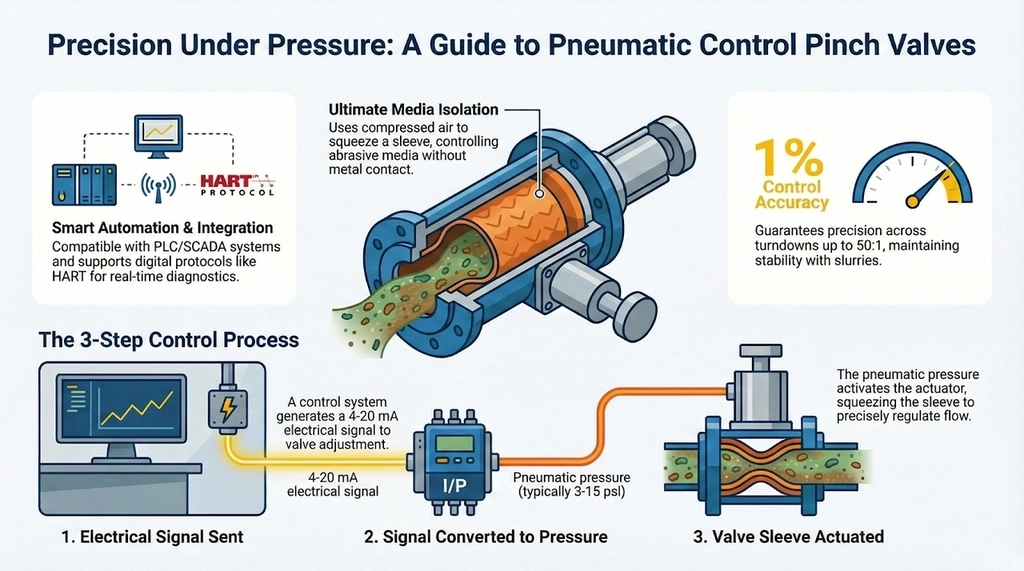
Industrial automation systems require valves that deliver precise flow control without compromising reliability in corrosive or abrasive media. A pneumatic control pinch valve excels as a modulating control valve, enabling precise flow to control pressure, temperature, or fluid levels. Using compressed air to gradually adjust the valve position allows smooth process control in mining, wastewater, […]

A simplex basket strainer is a straightforward yet essential piece of equipment in many industries. It is designed to remove particles and impurities from liquids or gases within a pipeline. Often referred to as a strainer simplex, it plays a crucial role in ensuring the following: This article explores what a simplex basket strainer is, […]

Piping and Instrumentation Diagrams (P&ID) are essential tools for representing the process flow and control systems in industries such as oil and gas, chemical manufacturing, and water treatment. They use standardized symbols to depict the various components, including valves, pipes, and instruments, which allows engineers to visualize and communicate how a system operates. Among these […]
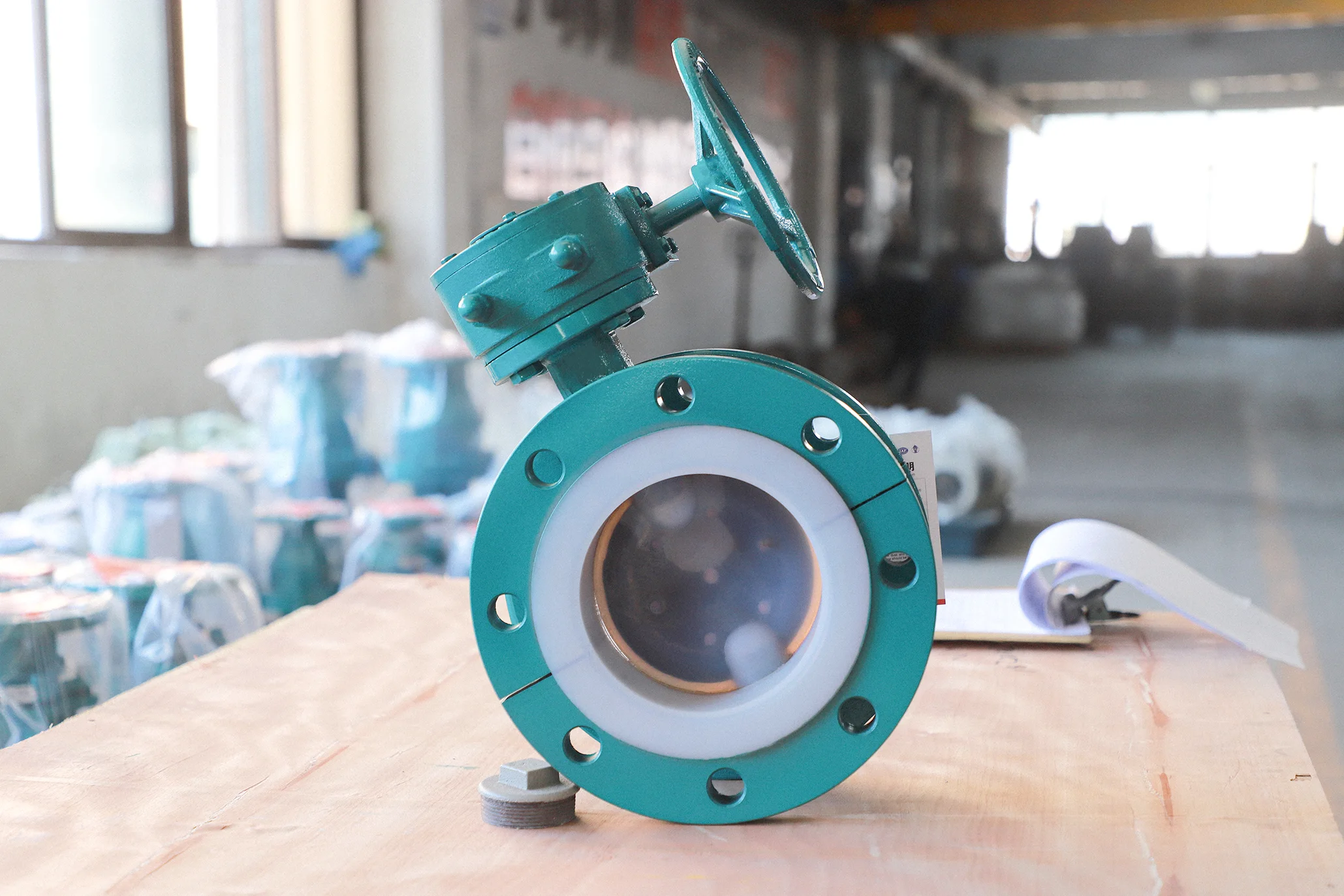
Manufacturers use specialized linings like PTFE (Polytetrafluoroethylene) and PFA (Perfluoroalkoxy alkane) to line valves such as ball valves, butterfly valves, and plug valves to ensure durability and efficiency, particularly when it comes to handling corrosive or abrasive materials. Both PTFE and PFA provide excellent resistance to corrosion and chemicals — making them ideal for industrial […]
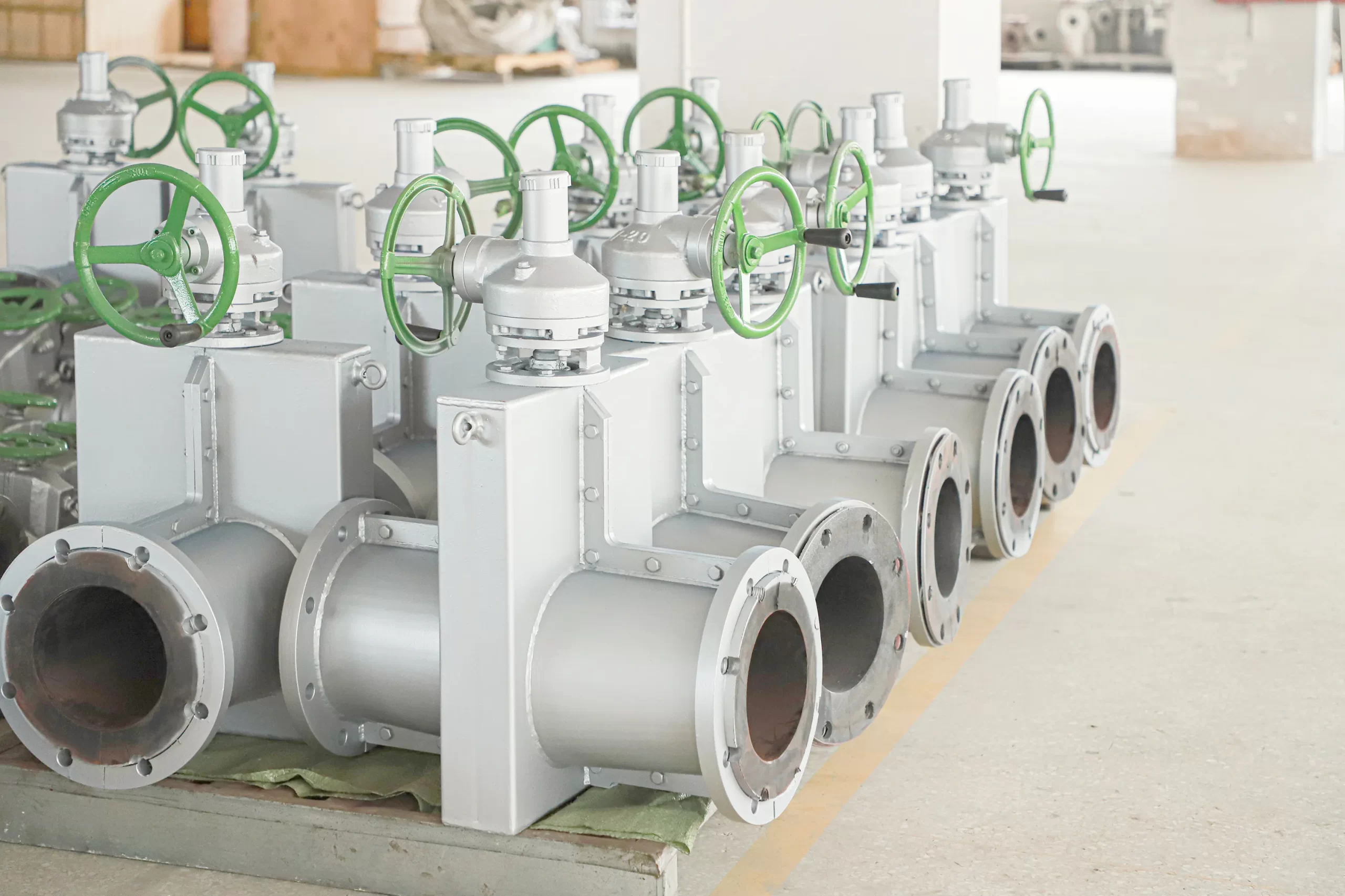
Pinch valves are unique flow control devices that regulate the movement of fluids by pinching a flexible tube or sleeve within the valve. Unlike other valves that rely on mechanical parts like discs or gates to block or allow flow, pinch valves use a simple squeezing action to control the fluid. This makes them ideal […]
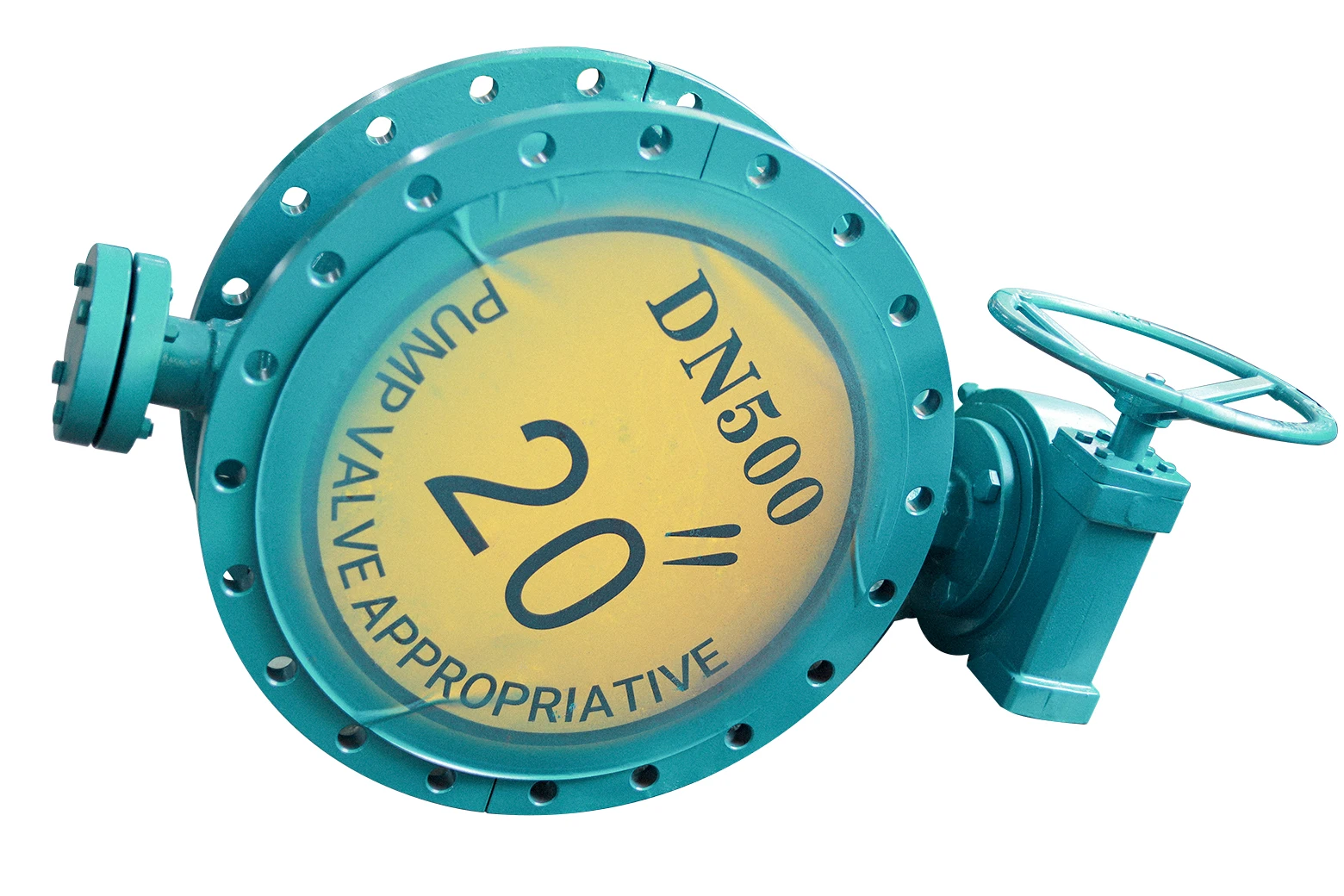
The most compelling difference between a butterfly valve and a gate valve is their operation mechanism. A butterfly valve uses a rotating disc to regulate or stop fluid flow, which provides quick and efficient control, especially for throttling. In contrast, a gate valve operates by lifting or lowering a gate to open or close the […]
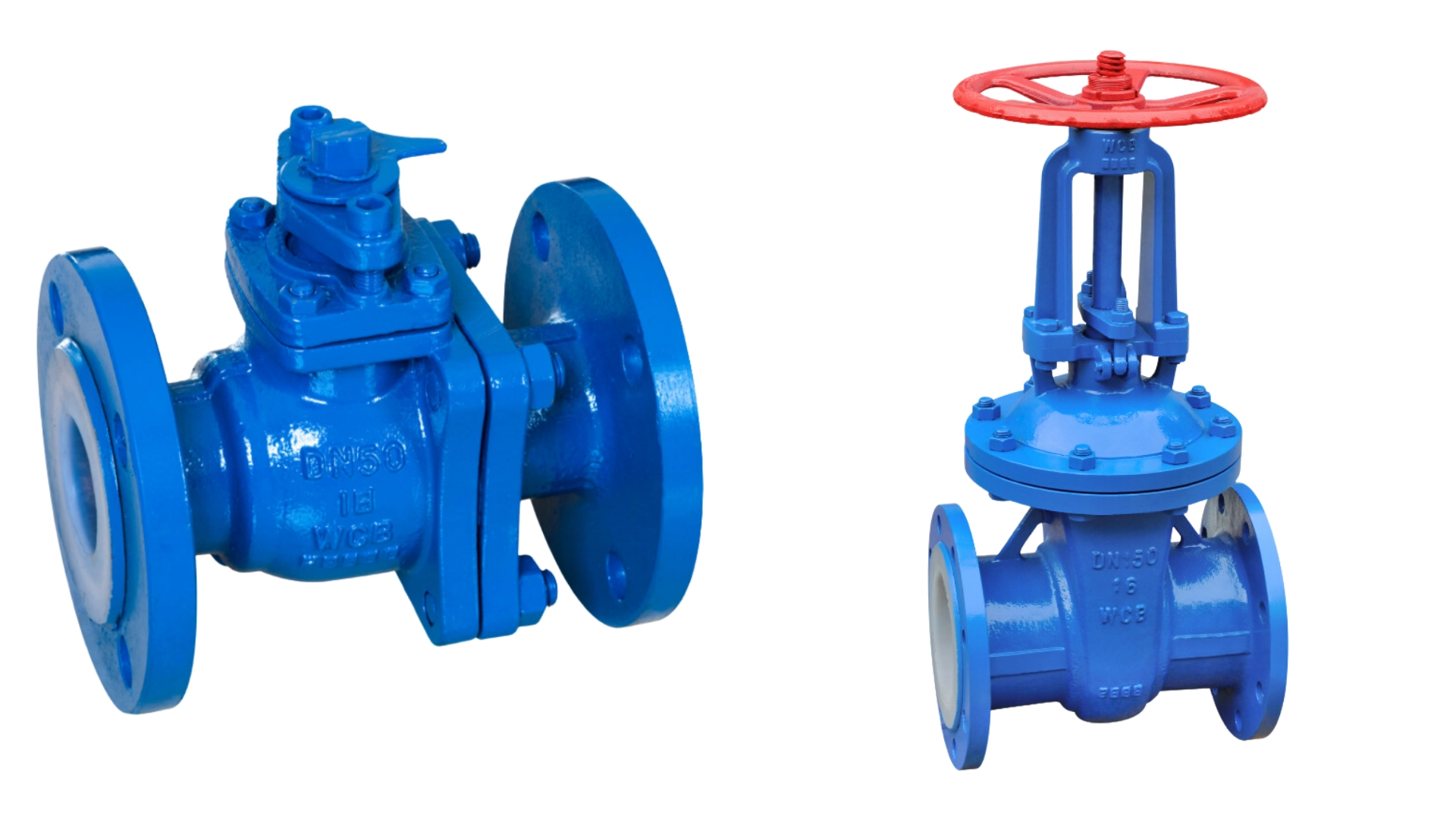
The most compelling difference between gate valves and ball valves is their mechanism for controlling flow. A gate valve uses a sliding gate to block or allow fluid passage, which makes it better suited for fully open or closed positions but less ideal for throttling. In contrast, a ball valve features a rotating ball with […]
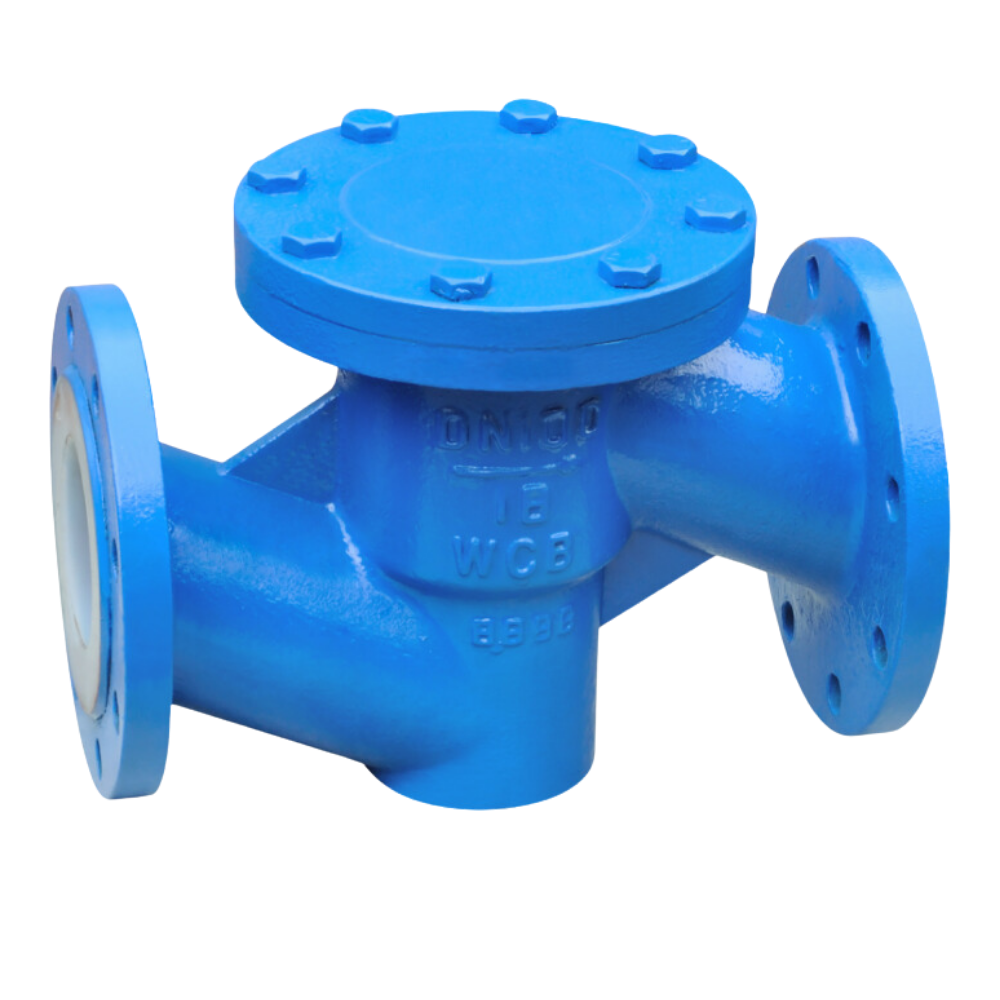
Check valves are essential components in many fluid systems as they are designed to allow flow in one direction and prevent backflow. For example, in a water supply system, a check valve ensures that contaminated water doesn’t flow back into the clean water supply — safeguarding the water quality and preventing potential health hazards. Today, […]

The greatest difference between a ball and butterfly valves lies in their design and flow control mechanism. A ball valve uses a spherical ball with a hole through its center to control flow — providing a full, unobstructed passage when open and a tight seal when closed. In contrast, a butterfly valve uses a rotating […]
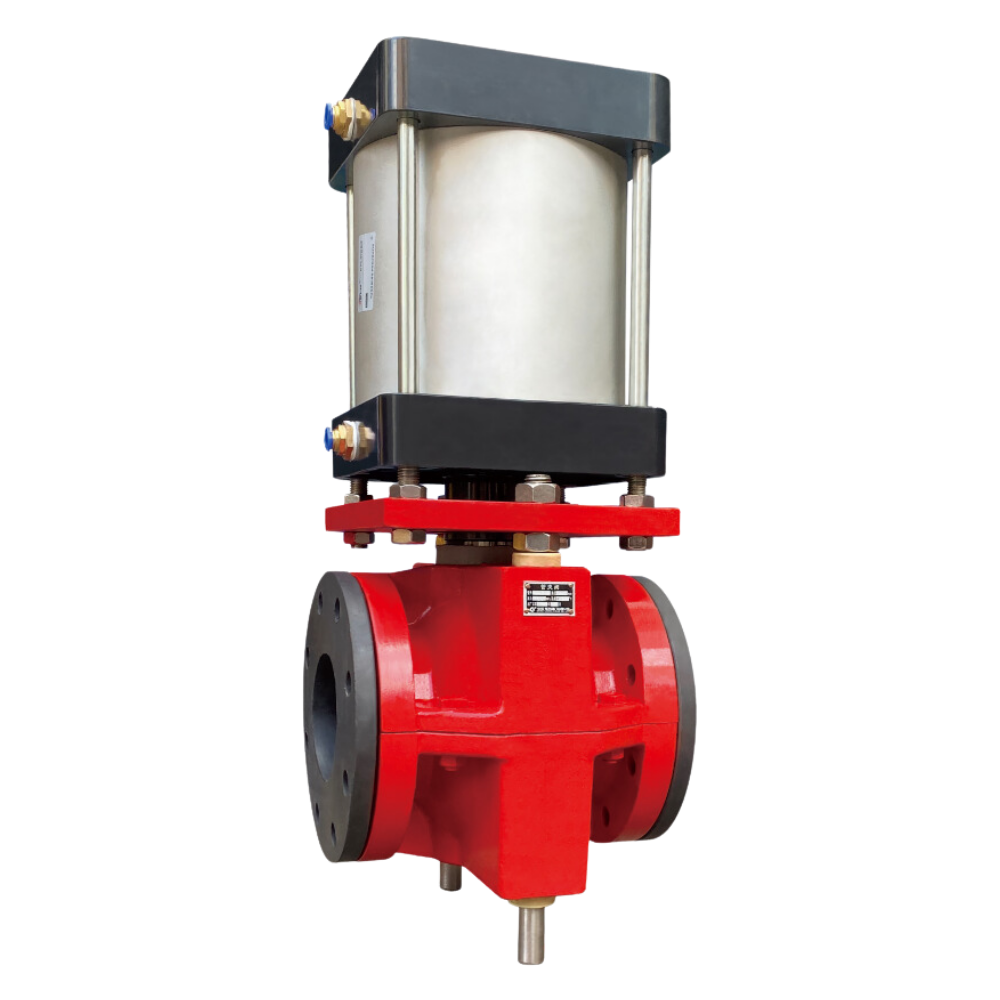
Actuated valves provide automated control over the flow of liquids, gases, or other materials. Their key function is to regulate the opening and closing of a valve based on external signals. These signals trigger actuators, devices that convert energy into mechanical motion — allowing the valve to either open, close, or modulate the flow within […]