NPT on a ball valve means National Pipe Taper. It is a threaded connection that seals as two tapered threads tighten together. To keep plumbing, water systems, or industrial pipelines leak-free, it is important to understand NPT thread standards.
This guide covers what NPT means, why it matters, and how it differs from other ball valve thread types. It also shows why the right thread improves safety and performance.
NPT on ball valves refers to a tapered thread design that becomes tighter as the male and female threads engage. This taper creates a mechanical seal, making the joint strong and resistant to leaks.
Key Takeaways
The tapered angle—seen in standard engineering diagrams like those in industry references—allows the threads to compress and form a secure seal. When used correctly, an NPT on a ball valve can handle pressure changes and vibration without loosening.
The idea is simple: as you tighten the valve into the pipe, the taper forces the threads to press tighter. This metal-to-metal (or plastic-to-plastic) contact reduces gaps, but it cannot eliminate all micro-spaces on its own. That’s why sealant matters. Sealant fills the tiny spiral paths where fluid could escape and helps prevent leaks. The tapered angle creates a tight wedge seal when the valve is tightened, which is why NPT remains a trusted industry standard.
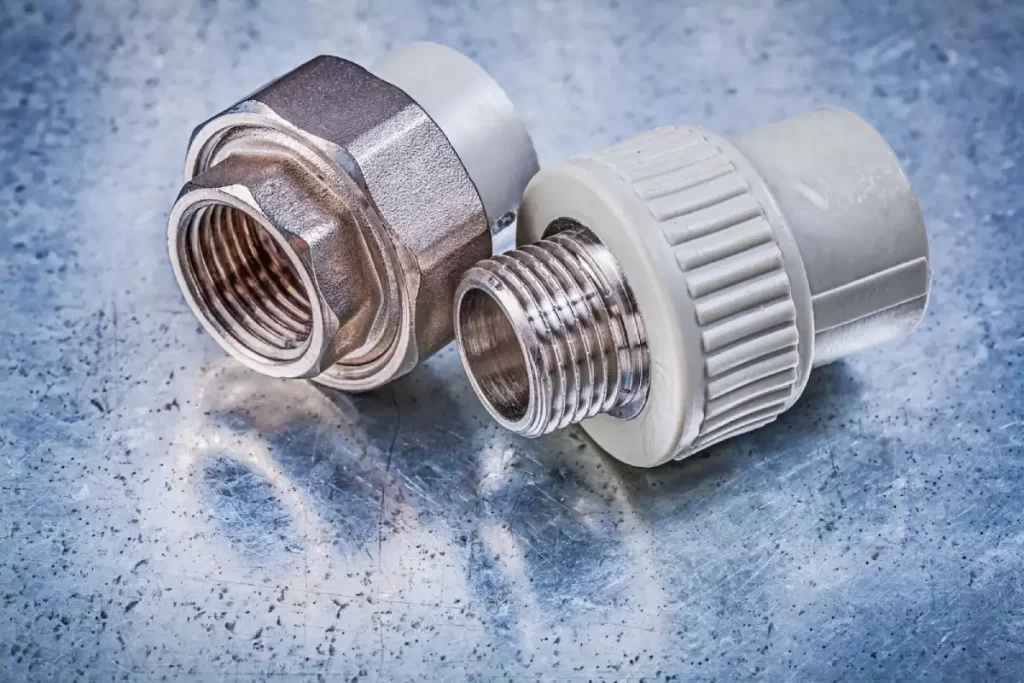
There are several thread standards, but NPT is one of the most common in North America. Other threads, such as BSP (British Standard Pipe), may look similar but are not compatible. Mixing them can cause leaks, damaged threads, or system failure. Knowing the difference helps avoid costly mistakes, especially in projects using multiple standards.
You should choose NPT on ball valves when you need:
NPT is ideal for small-diameter pipes and everyday systems that need a secure, reliable seal without the complexity of flanged or welded connections.
For example, Lianke Valve’s stainless steel ball valve and lined valve collections emphasize durability and proper thread machining. It features that support long-term performance in NPT-threaded systems.
Secure your pipelines with our precision-threaded NPT ball valves. Built from CF8/CF8M stainless steel for reliable sealing and easy installation.
View NPT Valves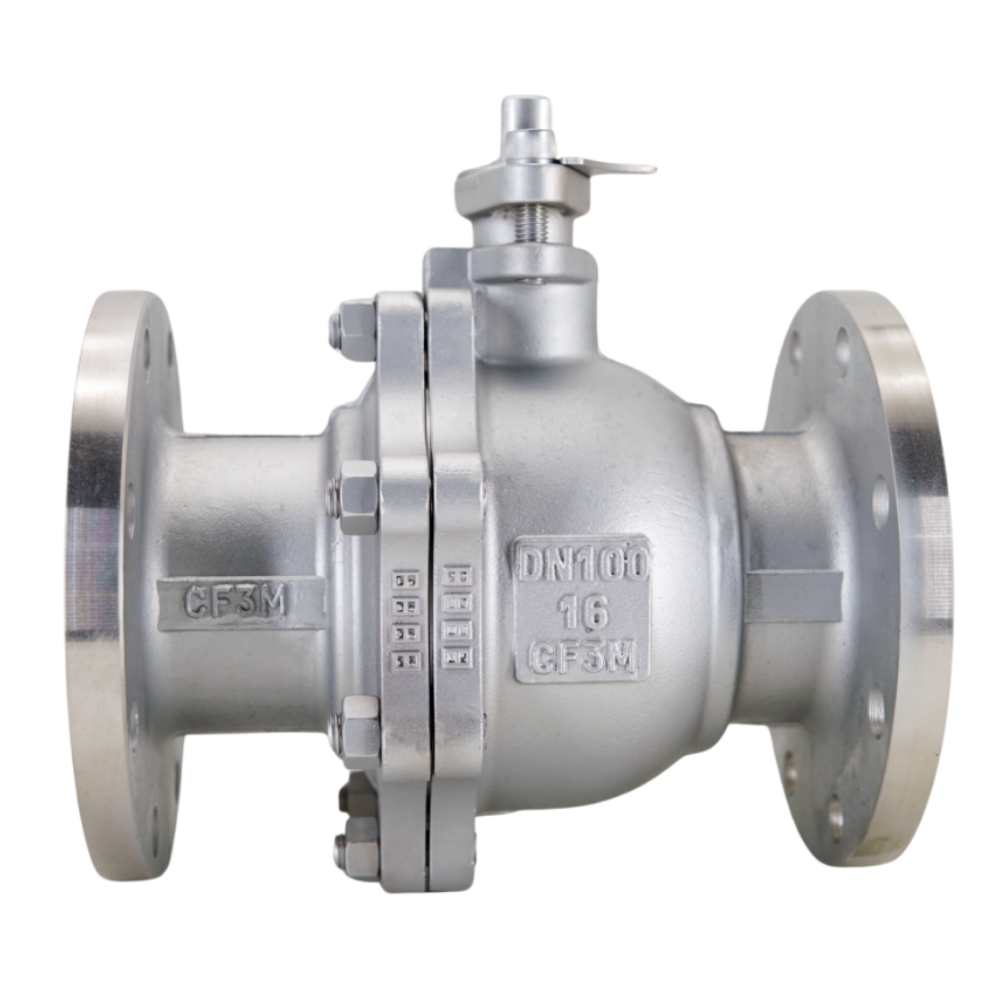
Choosing the correct thread type is essential for a leak-proof system. NPT on ball valves provides a strong seal and easy installation. It fits many piping setups. For reliable stainless steel, pinch, or fluorine lined valves, Lianke Valve offers a full collection made for long-term use. Explore their valve options to find what your system needs.
For systems requiring more than just a standard seal. Discover our PFA-lined ball valves designed for extreme corrosion resistance and safety.
View Lined Valves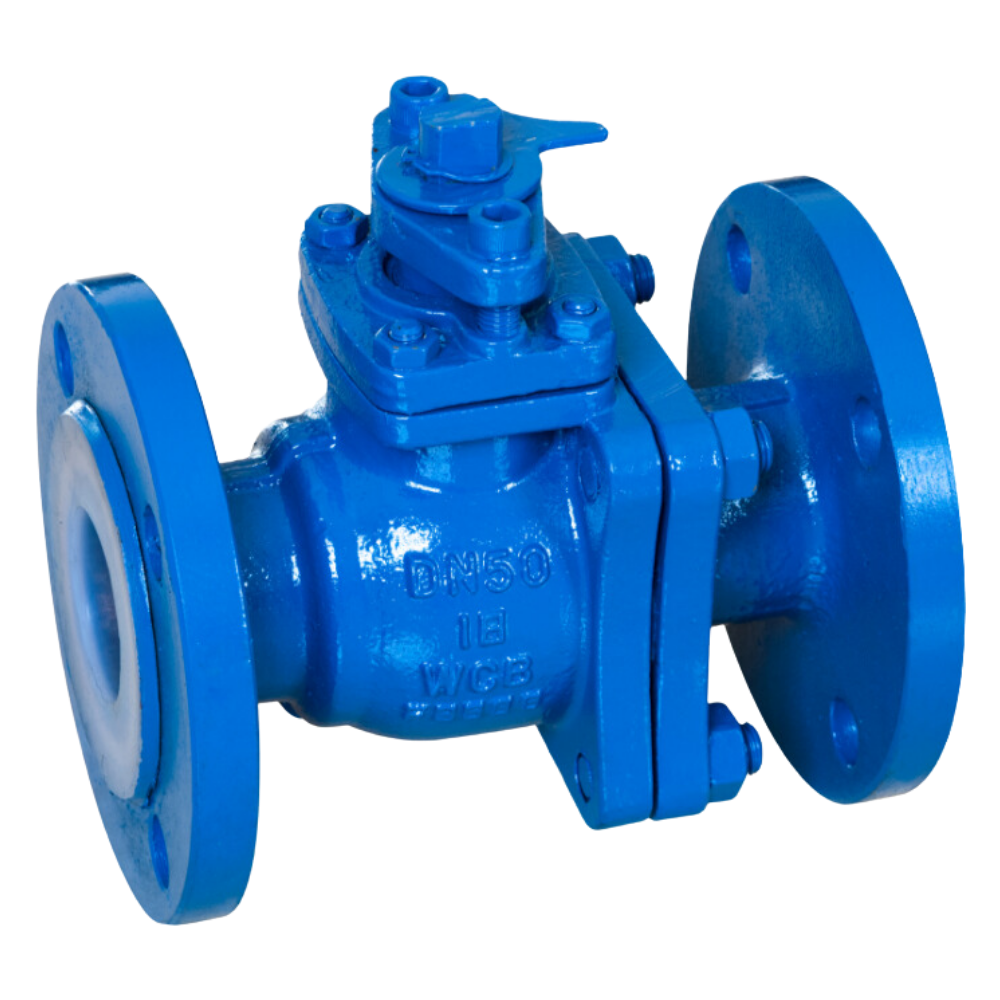
1.What is NPT?
NPT means National Pipe Taper, a thread standard used to seal pipe connections.
2.Is NPT the same as BSP?
No. BSP has a different angle and pitch, so it cannot match NPT threads.
3.Do NPT ball valves need sealant?
Yes. PTFE tape or pipe dope ensures a complete leak seal.
4.Where are NPT ball valves used?
They’re common in plumbing, water systems, irrigation, and industrial pipelines.
Discover our comprehensive guide to pinch valve technology.
Explore Manufacturing Capabilities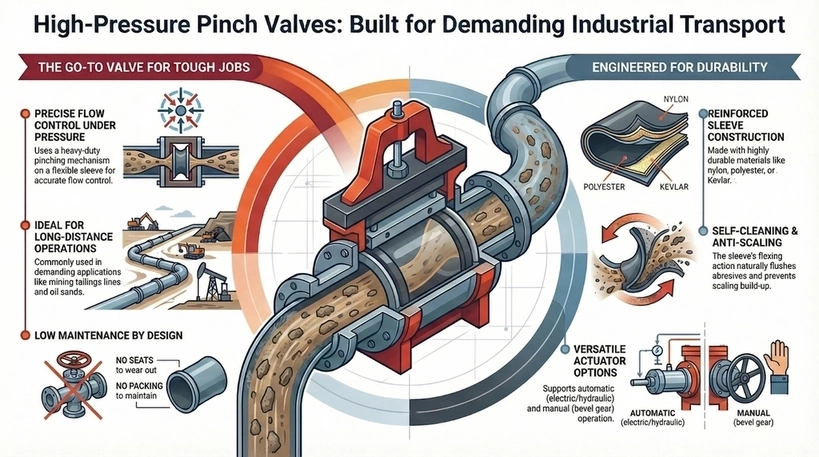
High pressure pinch valves, like PN16 pinch valve and class 150 pinch valve designs, involve a rugged and heavy-duty pinching mechanism in positioning the sleeve, resulting in an almost accurate and measurable flow of media. This kind of valve is popular and commonly used for long distance operations in mining tailings lines or oil sands, […]
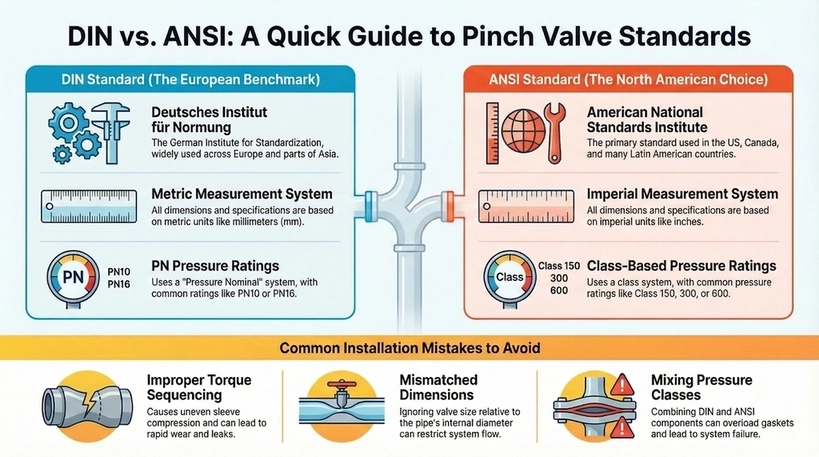
Understanding pinch valve dimensions and flanges ensures seamless integration into piping systems, particularly when choosing between DIN vs ANSI. The two are different but commonly used standards by organizations in engineering, manufacturing, and product design. DIN was developed in Germany but widely adopted across Europe and parts of Asia. Meanwhile, ANSI standards, which originate from […]
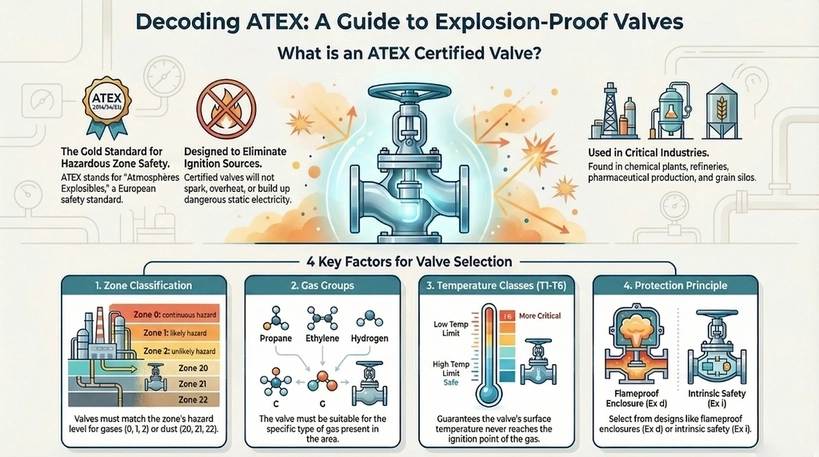
Selecting the appropriate explosion proof valve is essential for safety in industries that pose explosion risks. ATEX certified valves guarantee compliance with European standards, preventing ignition sources from heat, sparks, or static electricity. This blog explores key factors for choosing ATEX certified explosion proof valves that ensure overall operational safety, highlighting the entailed regulations and […]
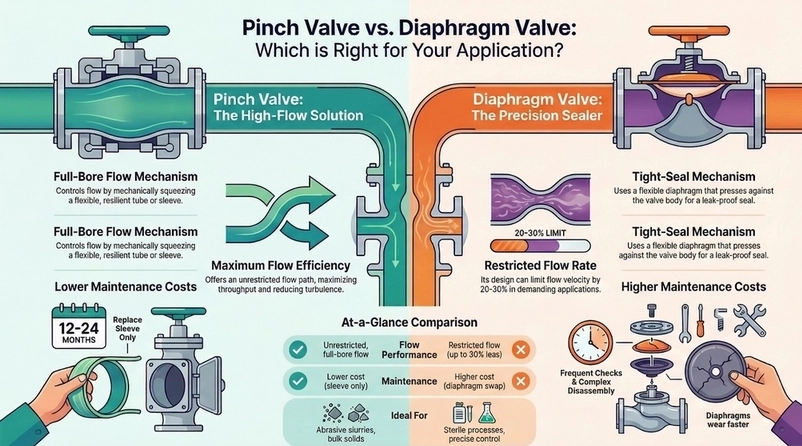
When handling abrasive or viscous media in industrial processes, the type of valve used can heavily affect the performance, efficiency, and overall user experience. In relation to this, two of the most common valve options are pinch and diaphragm valves. In this blog, we delve into the pinch valve vs diaphragm valve discussion, analyzing flow […]