WEFTEC 2024 revealed which industrial strainer manufacturers are actually driving innovation in water treatment technology.
Six companies emerged as clear innovation leaders, each bringing breakthrough technologies that solve real problems plant operators face daily.
From digital monitoring systems to ultra high solids handling, these water treatment strainers represent genuine advances over traditional filtration.
| Company | Innovation Leadership | Key Breakthrough | Industry Impact |
| Xylem Inc. | Digital Integration Pioneer | Vue Platform Analytics | Predictive maintenance revolution |
| Spiral Water | Extreme Performance Leader | 25,000 mg/L TSS handling | Solving impossible applications |
| BOLLFILTER | Self Cleaning Technology | Bipolar filter operation | 90% less maintenance |
| Eaton Corporation | Flow Capacity Innovation | 7,000 GPM single units | Large facility solutions |
| Smith & Loveless | Municipal Systems Integration | Complete headworks packages | One supplier efficiency |
| Tate Andale | Durability Innovation | 50+ year equipment life | Lowest total cost ownership |
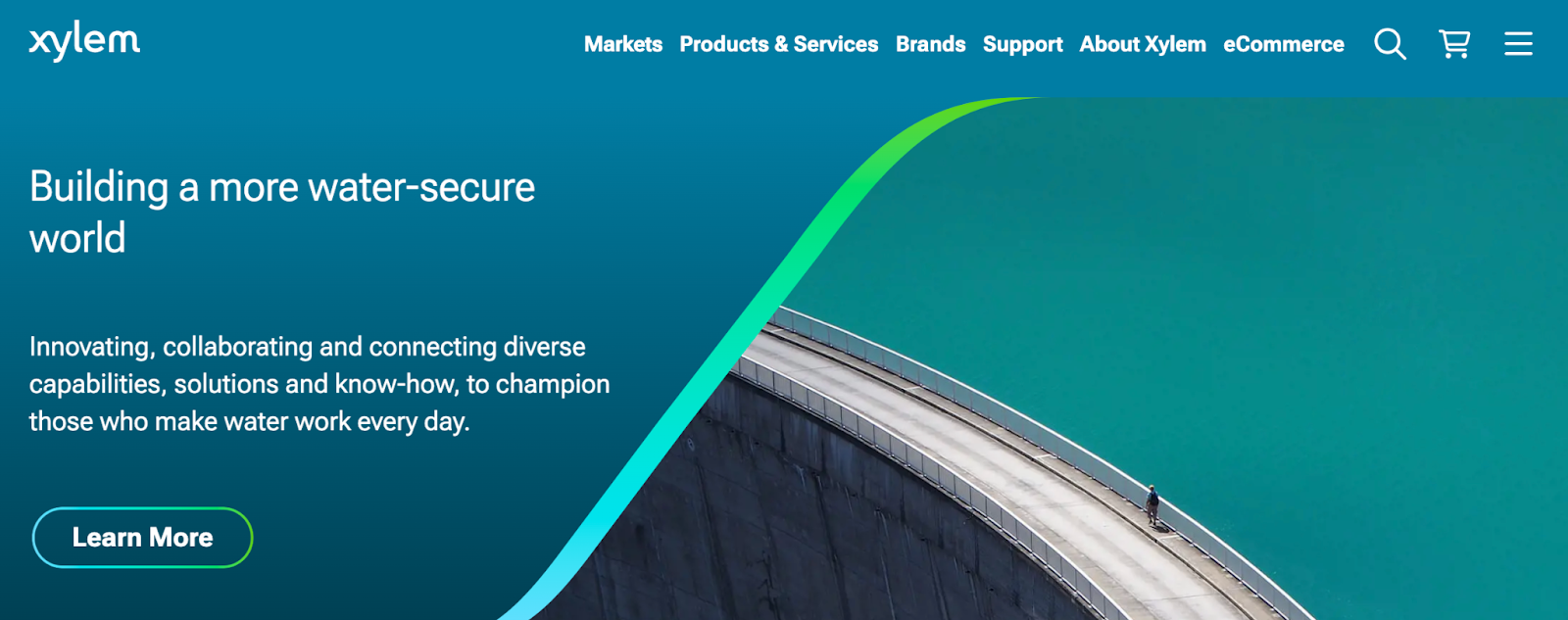
Xylem transforms basic strainers into smart monitoring systems using their Vue platform for cloud based analytics. Plant operators receive real time alerts about filter conditions instead of discovering problems during routine inspections. This digital approach reduces emergency repairs by 60 percent while extending equipment life through predictive maintenance scheduling.
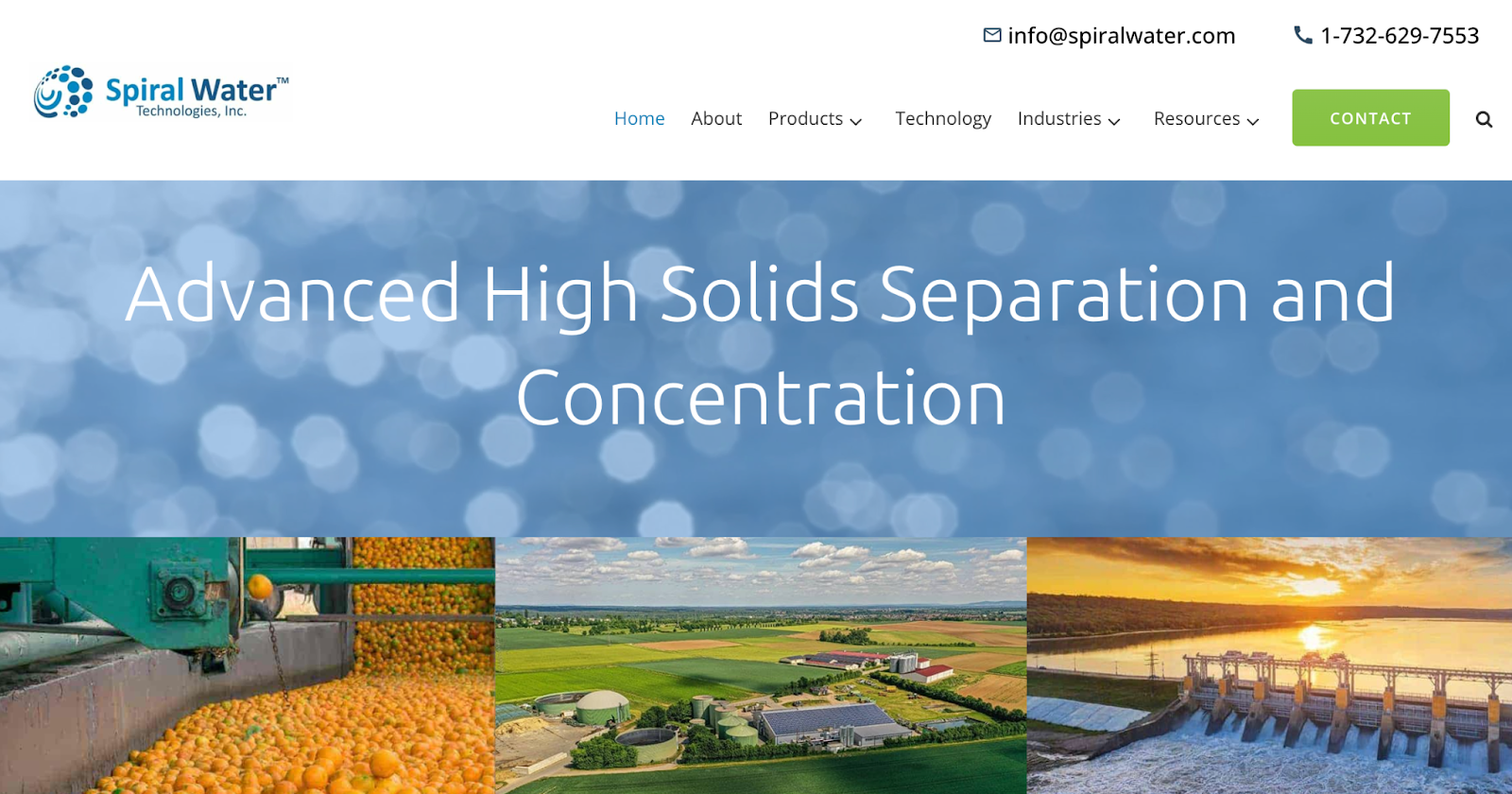
Spiral Water handles extreme contamination that defeats other industrial strainer manufacturers using continuous spiral brush cleaning technology. Their systems process water with 25,000 mg/L suspended solids while consuming 90 percent less energy than competing automatic cleaning methods. The company specializes in applications where 10 to 15 other strainer brands have previously failed.
Reliable filtration to protect valves and pipelines — Y, T, basket, and duplex types available.
Explore Strainers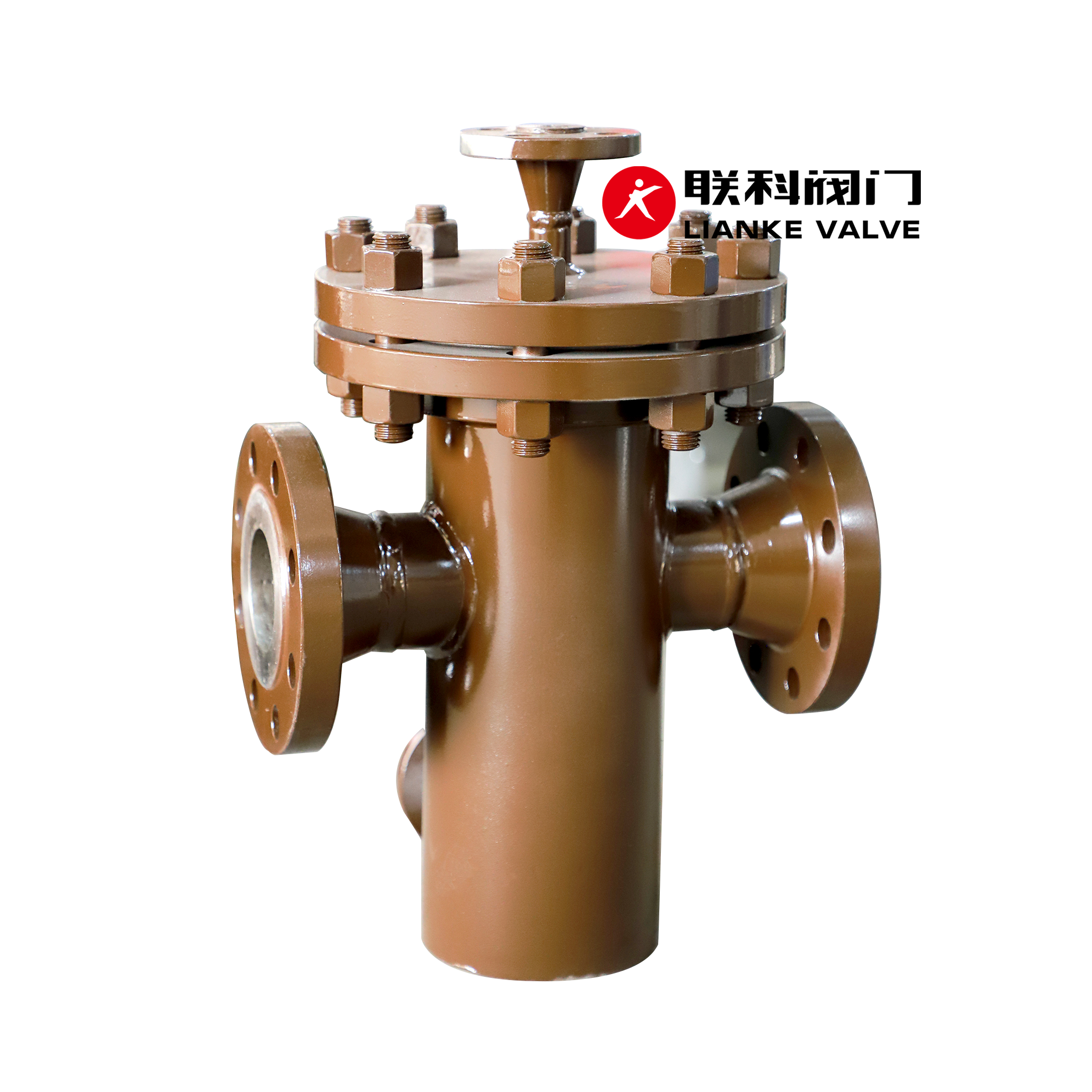
BOLLFILTER developed double sided cleaning technology that opens filter elements from both ends simultaneously for superior debris removal. This design achieves 99 percent cleaning efficiency in single cycles compared to 70 percent for traditional backwash systems. Plant operators extend filter run times by 300 percent while reducing backwash water consumption and maintenance frequency.
Eaton builds single strainer units handling 7,000 gallons per minute through advanced internal flow distribution technology called Cenpeller. This design prevents bypassing and extends filter life while reducing the number of units needed for large facilities. Installation costs drop by 40 percent for high flow applications while improving overall filtration performance.
Smith & Loveless combines screening, grit removal, and controls into complete headworks packages for municipal treatment facilities. Their OBEX spiral screens integrate with downstream processes instead of operating as isolated components requiring separate coordination. Municipal engineers get single source responsibility eliminating equipment compatibility issues and reducing project complexity.
Tate Andale builds strainers using bank vault construction methods with the thickest materials and most robust designs available. Their equipment operates reliably for 50 plus years in critical power plant applications where replacement costs exceed higher initial investment. This extreme durability approach proves that innovation includes making equipment that simply never requires replacement.
WEFTEC 2024 demonstrated that industrial strainer manufacturers are prioritizing practical solutions over flashy features. The six innovation leaders succeeded by addressing specific operator challenges like maintenance costs, difficult water conditions, and system integration problems. For water treatment facilities, the best strainer choice depends on matching these innovations to your specific operational challenges.
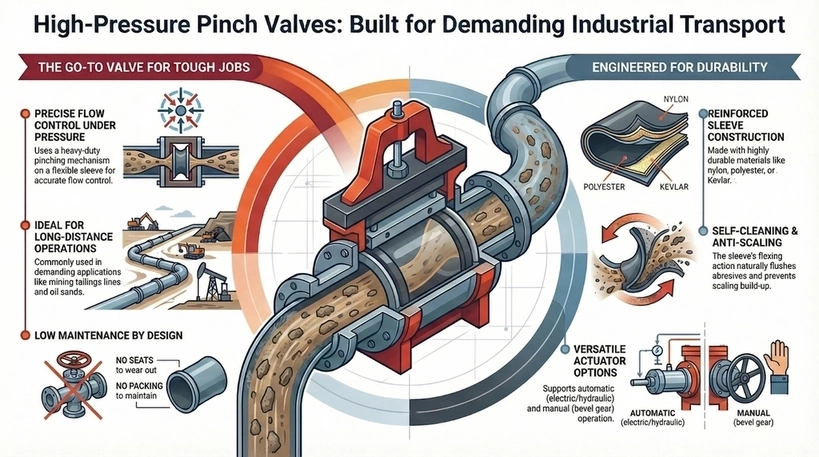
High pressure pinch valves, like PN16 pinch valve and class 150 pinch valve designs, involve a rugged and heavy-duty pinching mechanism in positioning the sleeve, resulting in an almost accurate and measurable flow of media. This kind of valve is popular and commonly used for long distance operations in mining tailings lines or oil sands, […]
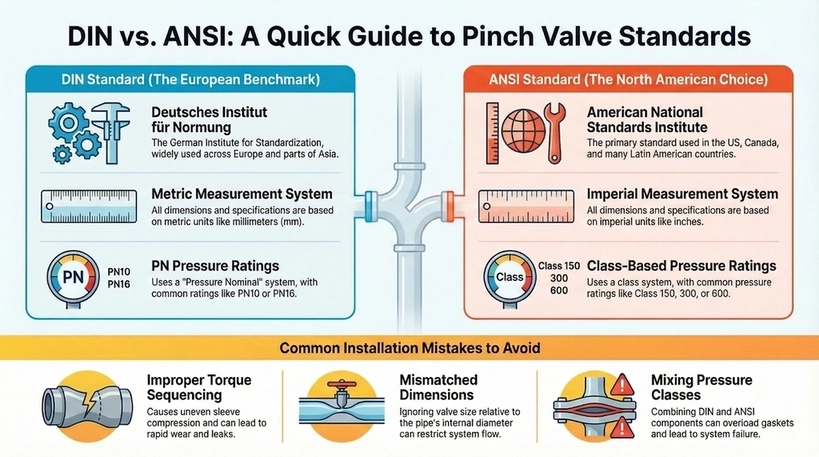
Understanding pinch valve dimensions and flanges ensures seamless integration into piping systems, particularly when choosing between DIN vs ANSI. The two are different but commonly used standards by organizations in engineering, manufacturing, and product design. DIN was developed in Germany but widely adopted across Europe and parts of Asia. Meanwhile, ANSI standards, which originate from […]
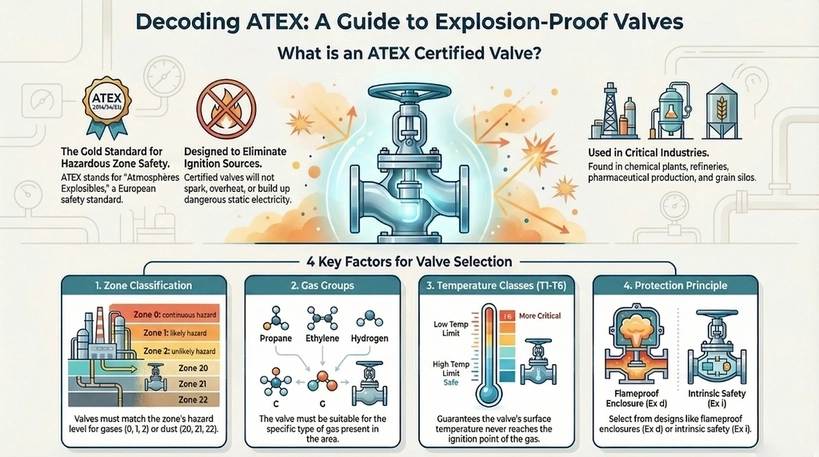
Selecting the appropriate explosion proof valve is essential for safety in industries that pose explosion risks. ATEX certified valves guarantee compliance with European standards, preventing ignition sources from heat, sparks, or static electricity. This blog explores key factors for choosing ATEX certified explosion proof valves that ensure overall operational safety, highlighting the entailed regulations and […]
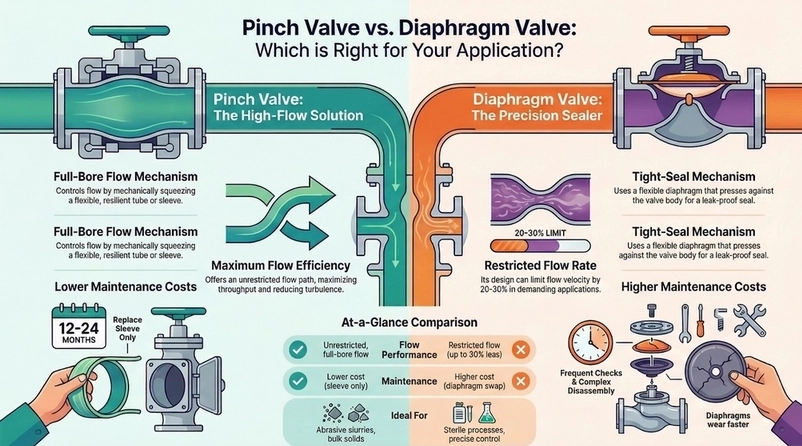
When handling abrasive or viscous media in industrial processes, the type of valve used can heavily affect the performance, efficiency, and overall user experience. In relation to this, two of the most common valve options are pinch and diaphragm valves. In this blog, we delve into the pinch valve vs diaphragm valve discussion, analyzing flow […]