
WEFTEC 2024 revealed which industrial strainer manufacturers are actually driving innovation in water treatment technology.
Six companies emerged as clear innovation leaders, each bringing breakthrough technologies that solve real problems plant operators face daily.
From digital monitoring systems to ultra high solids handling, these water treatment strainers represent genuine advances over traditional filtration.
| Company | Innovation Leadership | Key Breakthrough | Industry Impact |
| Xylem Inc. | Digital Integration Pioneer | Vue Platform Analytics | Predictive maintenance revolution |
| Spiral Water | Extreme Performance Leader | 25,000 mg/L TSS handling | Solving impossible applications |
| BOLLFILTER | Self Cleaning Technology | Bipolar filter operation | 90% less maintenance |
| Eaton Corporation | Flow Capacity Innovation | 7,000 GPM single units | Large facility solutions |
| Smith & Loveless | Municipal Systems Integration | Complete headworks packages | One supplier efficiency |
| Tate Andale | Durability Innovation | 50+ year equipment life | Lowest total cost ownership |
Xylem transforms basic strainers into smart monitoring systems using their Vue platform for cloud based analytics. Plant operators receive real time alerts about filter conditions instead of discovering problems during routine inspections. This digital approach reduces emergency repairs by 60 percent while extending equipment life through predictive maintenance scheduling.
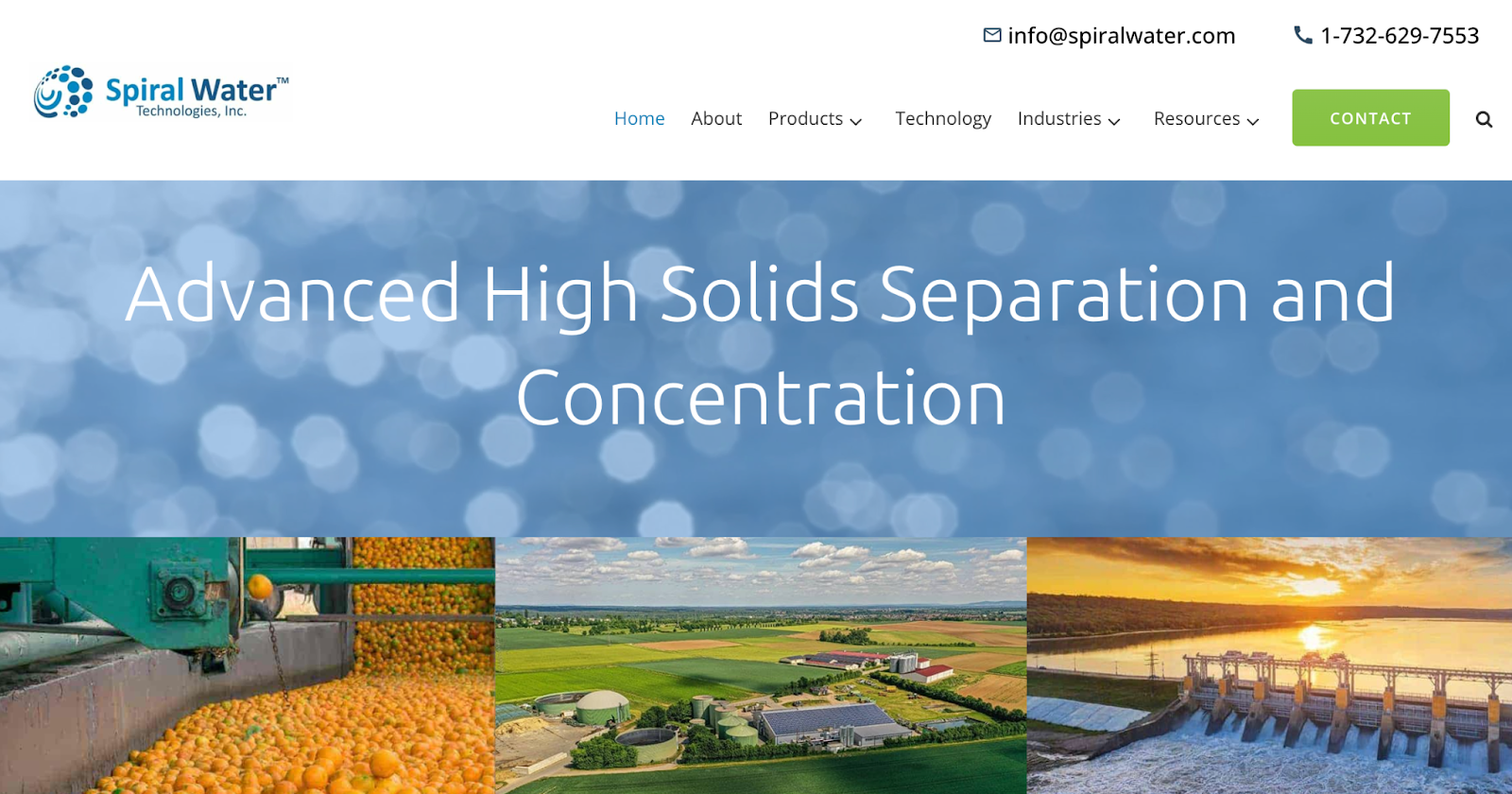
Spiral Water handles extreme contamination that defeats other industrial strainer manufacturers using continuous spiral brush cleaning technology. Their systems process water with 25,000 mg/L suspended solids while consuming 90 percent less energy than competing automatic cleaning methods. The company specializes in applications where 10 to 15 other strainer brands have previously failed.
Reliable filtration to protect valves and pipelines — Y, T, basket, and duplex types available.
Explore Strainers
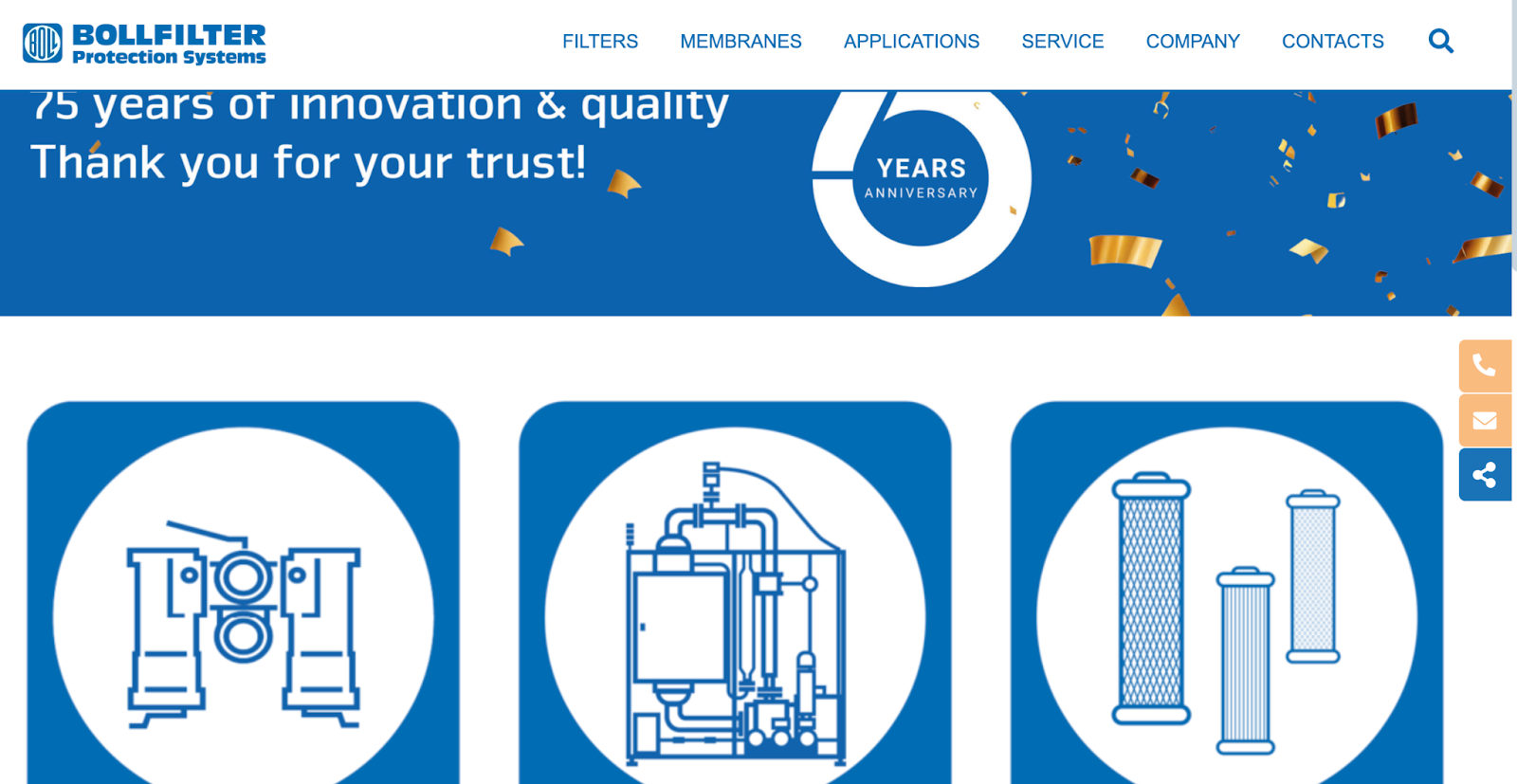
BOLLFILTER developed double sided cleaning technology that opens filter elements from both ends simultaneously for superior debris removal. This design achieves 99 percent cleaning efficiency in single cycles compared to 70 percent for traditional backwash systems. Plant operators extend filter run times by 300 percent while reducing backwash water consumption and maintenance frequency.
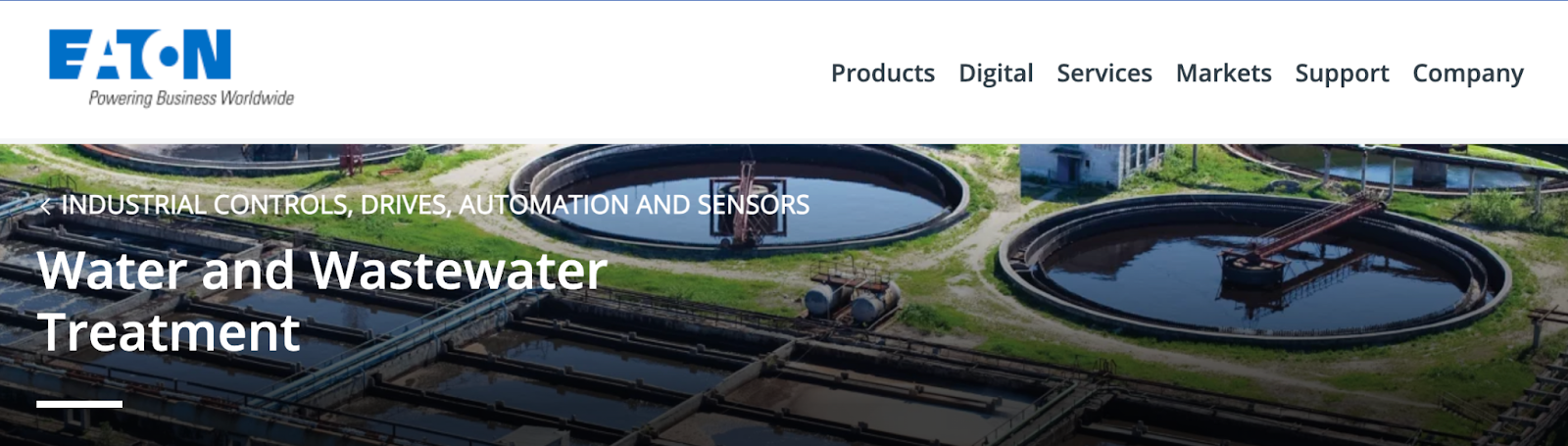
Eaton builds single strainer units handling 7,000 gallons per minute through advanced internal flow distribution technology called Cenpeller. This design prevents bypassing and extends filter life while reducing the number of units needed for large facilities. Installation costs drop by 40 percent for high flow applications while improving overall filtration performance.
Smith & Loveless combines screening, grit removal, and controls into complete headworks packages for municipal treatment facilities. Their OBEX spiral screens integrate with downstream processes instead of operating as isolated components requiring separate coordination. Municipal engineers get single source responsibility eliminating equipment compatibility issues and reducing project complexity.
Tate Andale builds strainers using bank vault construction methods with the thickest materials and most robust designs available. Their equipment operates reliably for 50 plus years in critical power plant applications where replacement costs exceed higher initial investment. This extreme durability approach proves that innovation includes making equipment that simply never requires replacement.
WEFTEC 2024 demonstrated that industrial strainer manufacturers are prioritizing practical solutions over flashy features. The six innovation leaders succeeded by addressing specific operator challenges like maintenance costs, difficult water conditions, and system integration problems. For water treatment facilities, the best strainer choice depends on matching these innovations to your specific operational challenges.

Valves are everywhere in industrial processes—controlling flow, isolating equipment, and protecting systems from overpressure. Yet for many engineers and technicians, the range of options can feel overwhelming. This guide covers the fundamentals of industrial valves, with a closer look at three widely used types: the lined valve, the pinch valve, and the stainless steel ball […]

Valve installation looks simple on paper—until you’re on-site, the flanges don’t line up, and the process fluid is waiting. In reality, poor installation is one of the leading causes of premature valve failure, leakage, and costly downtime. Whether you’re working with a lined valve, a strainer, or a pinch valve, the same fundamental rules apply. […]

Lianke Valve Co., Ltd. has just wrapped up a busy and rewarding season of site visits. Over the past two weeks, we have hosted several groups of clients from home and abroad. They came with different goals, yet all turned their attention to Lianke’s manufacturing strength and technical expertise. Juhua Group, Quzhou In early March, […]

Recently, the production workshop at Lianke Valve has been bustling with activity, where production, inspection, packaging and other processes operate in efficient coordination. After rigorous multi-stage quality checks, a batch of high-quality pinch valve products has been packed and shipped, setting off for Russia. Export Product Case The pinch valves in this bulk shipment are […]

