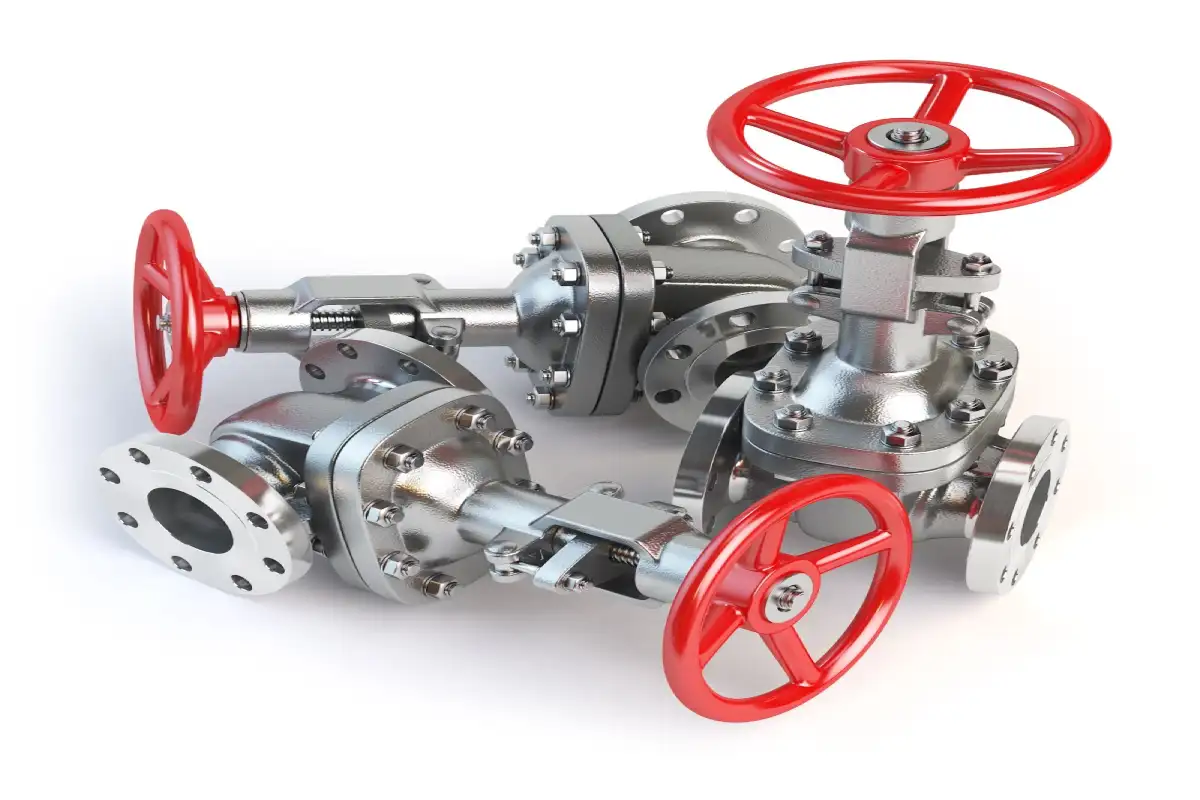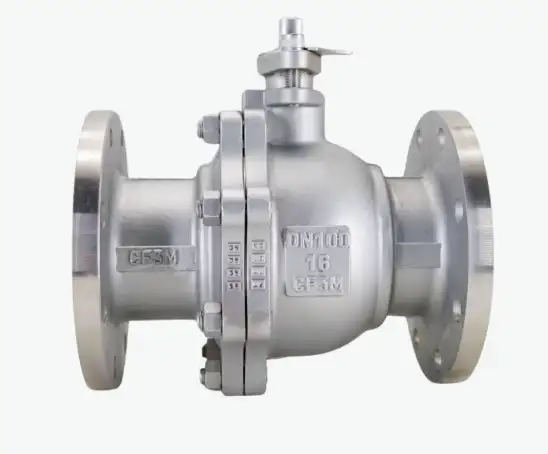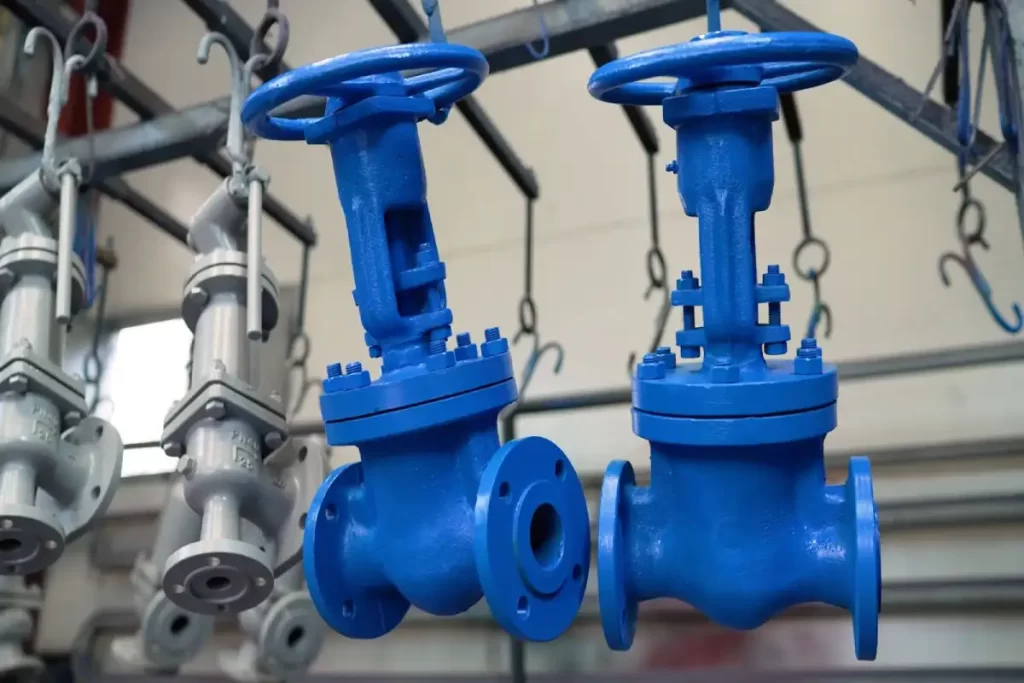
The ball valve life expectancy typically ranges from 8 to 20 years, depending on its materials, operating conditions, and level of valve maintenance. In simple terms, a ball valve can last a long time when it is selected correctly and maintained well.
This guide explains how long ball valves last, what affects their valve service life, and how you can help your valves perform reliably over thousands of cycles. Understanding these basics saves money, prevents downtime, and helps you choose better replacements for your system.
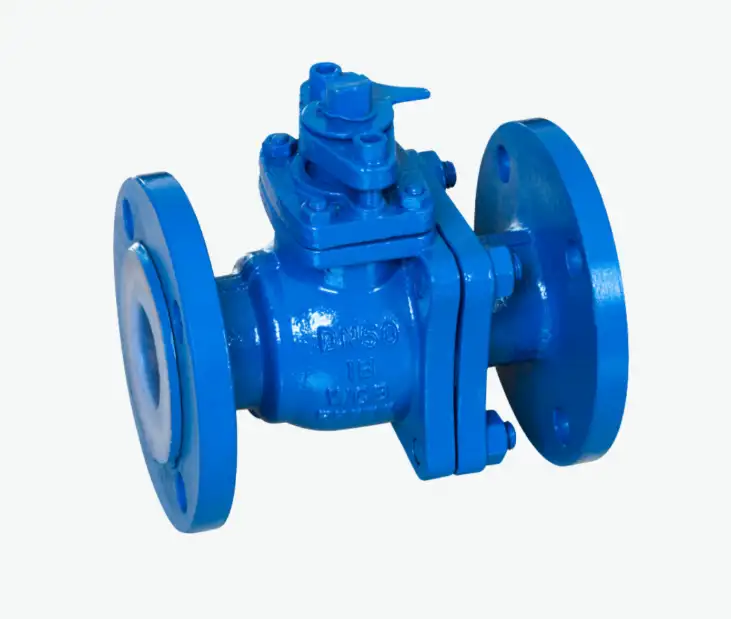
A ball valve is a shut-off valve with a rotating ball that opens or blocks flow. It is known for its durability, simple design, and fast operation. The ball valve life expectancy depends on three key factors:
Most residential or light-duty ball valves last 8–10 years, a figure supported by industry references in your provided materials. Higher-grade industrial ball valves can reach 20 years or more when built with corrosion-resistant alloys and tested to strict standards, similar to the durability testing described in Lianke’s manufacturing process.
Stainless steel, brass, and fluorine-lined valves all behave differently. Stainless steel offers better corrosion resistance, especially with harsh or abrasive fluids. This increases valve service life and helps maintain a smooth seal over years of use.
Maximize your system’s life expectancy with our durable stainless steel ball valves. Engineered to resist corrosion and wear for over 20 years of reliable service.
View Durability Specs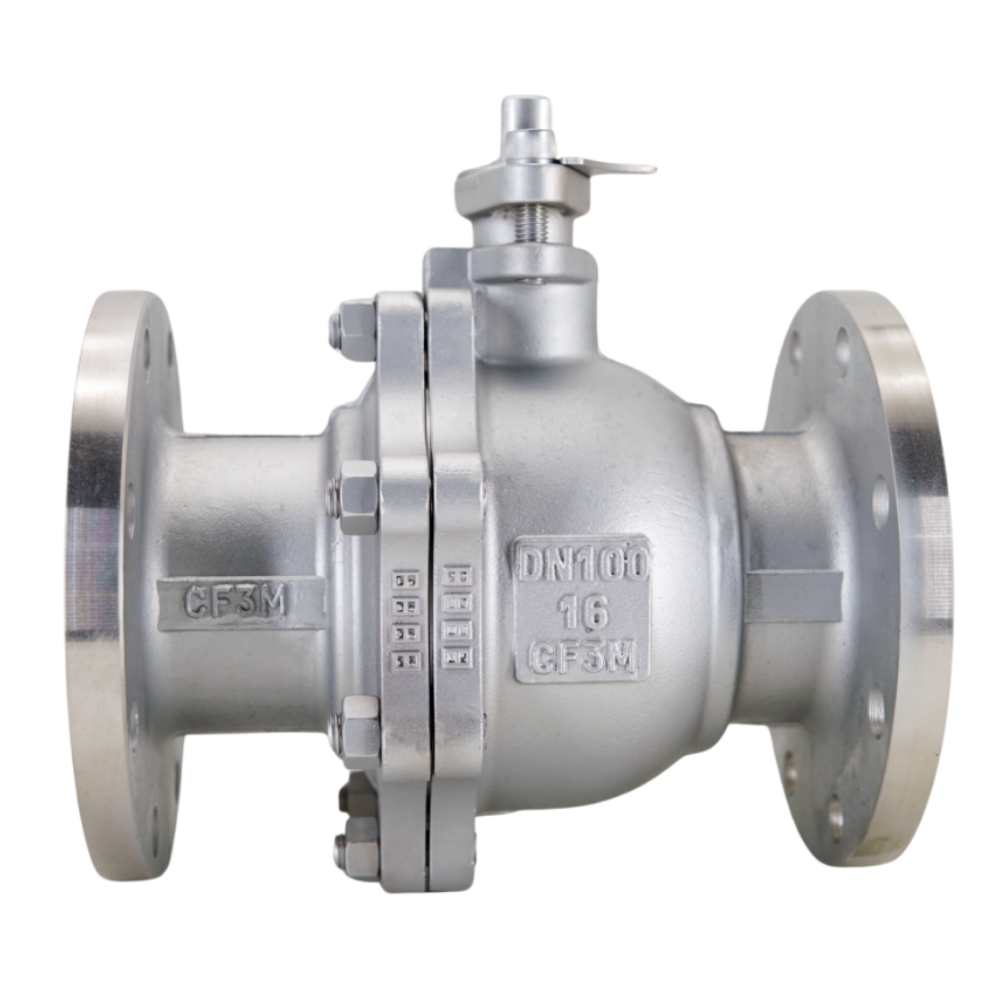
Pressure, temperature, and fluid type strongly affect wear. Corrosive chemicals, solids in pipelines, or rapid temperature swings increase friction and damage internal seats. Industrial environments such as chemical plants and papermaking mills also expose valves to harsher cycles.
Don’t let corrosion shorten your valve life. Our Fluorine Lined Ball Valves feature PFA lining to withstand aggressive chemicals and extend service intervals.
Explore Corrosion Resistant Valves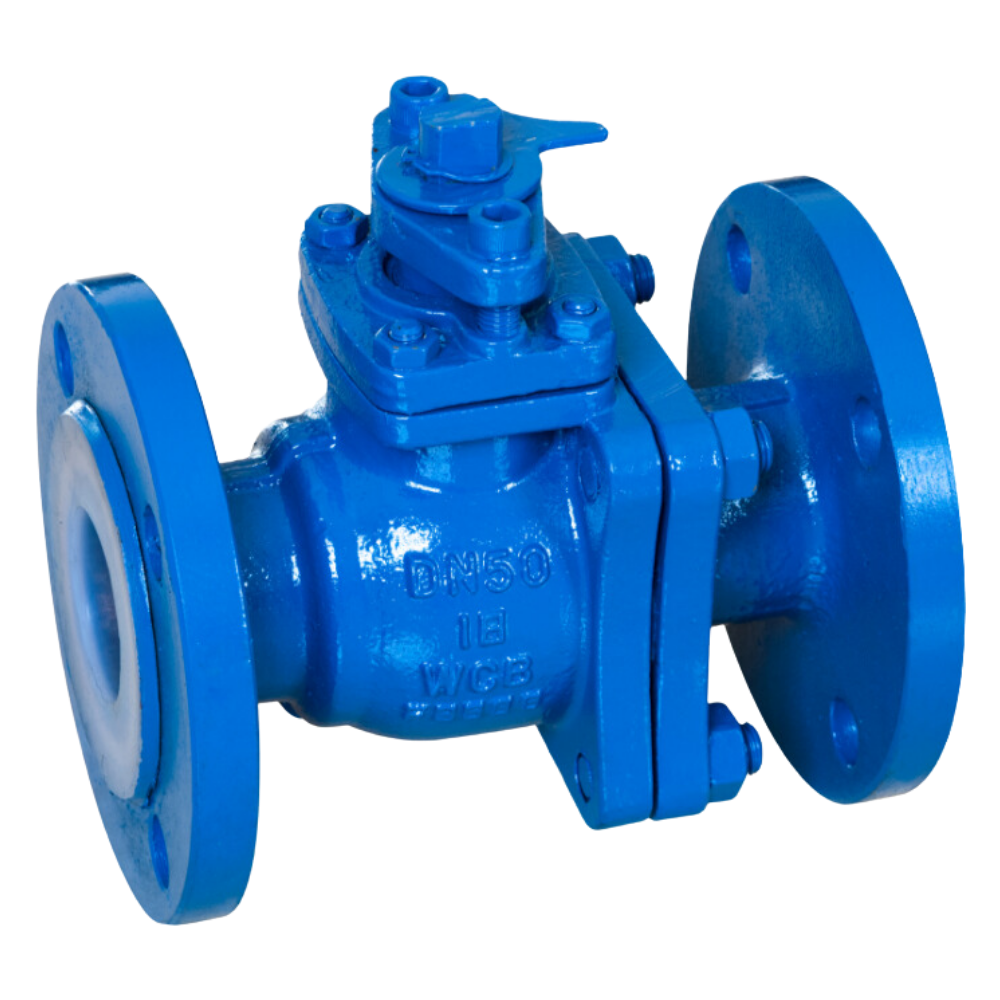
Ball valves operate with a simple ¼-turn motion. However, frequent cycling wears out the seats and seals. When valves open and close thousands of times, their valve cycle durability becomes the most important factor, especially in automated systems, comparing pneumatic vs. electric actuation.
Precision machining and proper assembly, such as Lianke’s ISO-controlled production steps (casting, machining, assembling, and durability tests), ensure tighter tolerances and better longevity.
To make any valve last longer, keep these steps simple:
These small practices protect the valve’s service life and help you get the most return on each installation.
The ball valve life expectancy varies, but choosing high-quality materials, following smart valve maintenance, and understanding valve cycle durability help you achieve long-term reliability. If you want durable and precision-built valves for industrial use, explore Lianke Valve’s collection of lined valves, pinch valves, and stainless steel valves—designed with strict manufacturing standards to support long-lasting performance.
Discover our comprehensive guide to pinch valve technology.
Explore Manufacturing Capabilities1.How long does a ball valve last?
Usually 8–20 years, depending on quality and operating conditions.
2.Does corrosion affect ball valve life?
Yes. Corrosion shortens the lifespan by damaging the ball, stem, and seats.
3.How do I know a ball valve is failing?
Look for leaks, stiffness, or reduced flow when operating the handle.
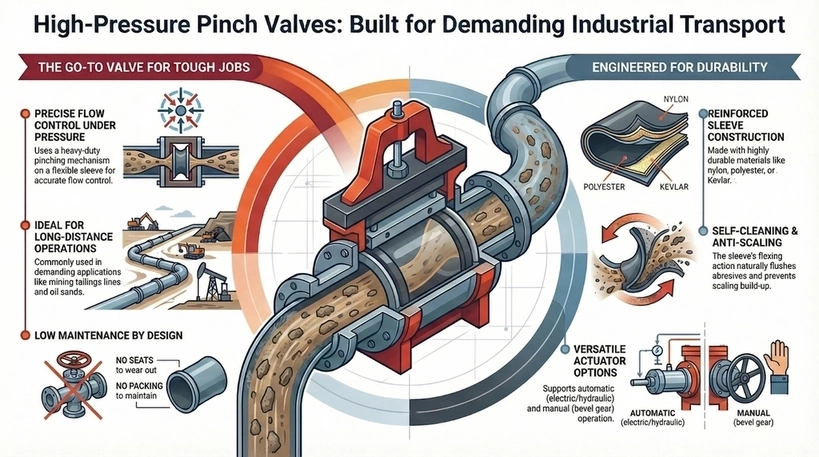
High pressure pinch valves, like PN16 pinch valve and class 150 pinch valve designs, involve a rugged and heavy-duty pinching mechanism in positioning the sleeve, resulting in an almost accurate and measurable flow of media. This kind of valve is popular and commonly used for long distance operations in mining tailings lines or oil sands, […]
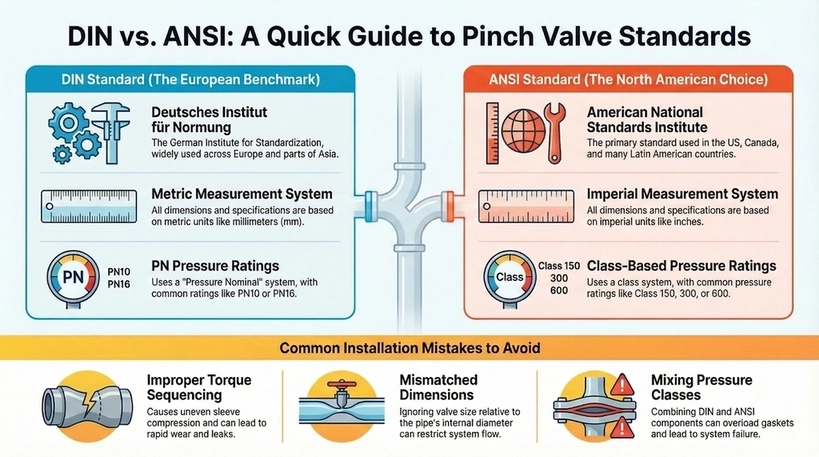
Understanding pinch valve dimensions and flanges ensures seamless integration into piping systems, particularly when choosing between DIN vs ANSI. The two are different but commonly used standards by organizations in engineering, manufacturing, and product design. DIN was developed in Germany but widely adopted across Europe and parts of Asia. Meanwhile, ANSI standards, which originate from […]
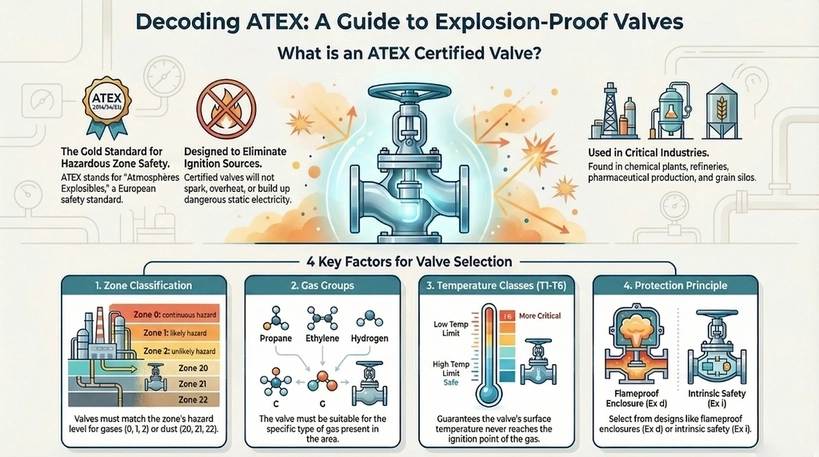
Selecting the appropriate explosion proof valve is essential for safety in industries that pose explosion risks. ATEX certified valves guarantee compliance with European standards, preventing ignition sources from heat, sparks, or static electricity. This blog explores key factors for choosing ATEX certified explosion proof valves that ensure overall operational safety, highlighting the entailed regulations and […]
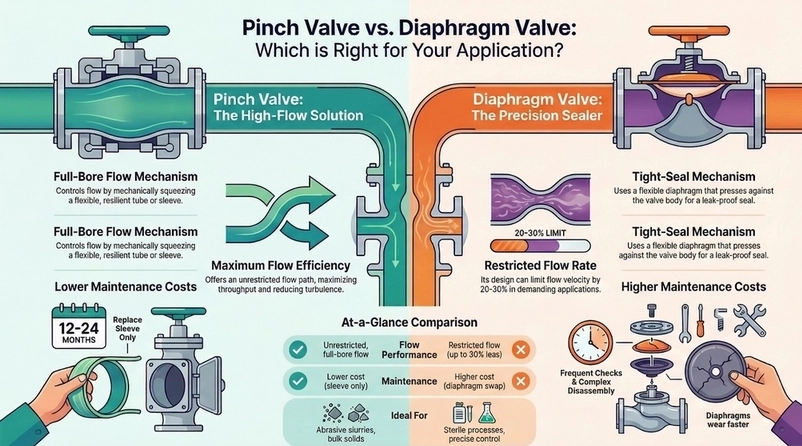
When handling abrasive or viscous media in industrial processes, the type of valve used can heavily affect the performance, efficiency, and overall user experience. In relation to this, two of the most common valve options are pinch and diaphragm valves. In this blog, we delve into the pinch valve vs diaphragm valve discussion, analyzing flow […]