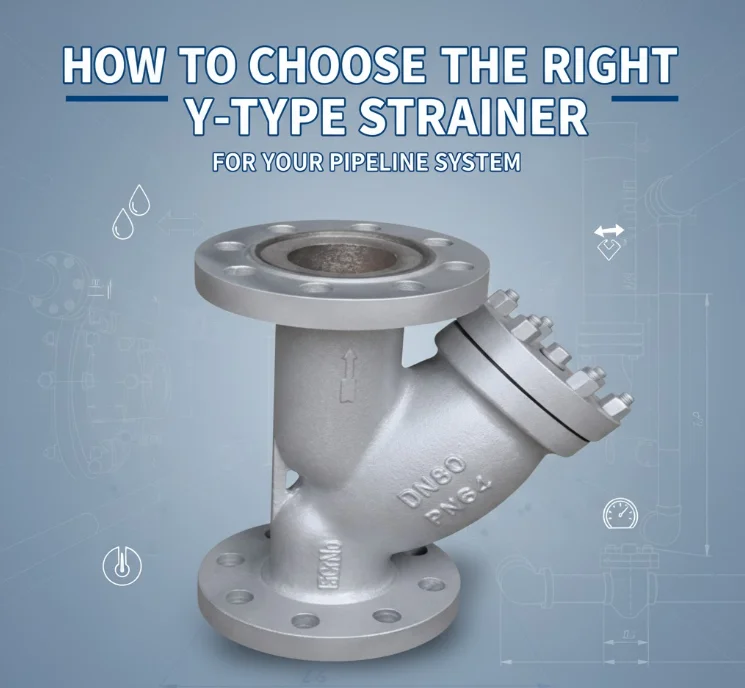
A Y strainer is one of the simplest yet most effective devices to protect the pumps and valves in the pipeline of your systems. 、
Although it appears small in size, it plays a significant role in catching debris before it damages your pipeline system. Let’s break down how a Y strainer protects pumps and valves, along with other key information to help you choose the right one.
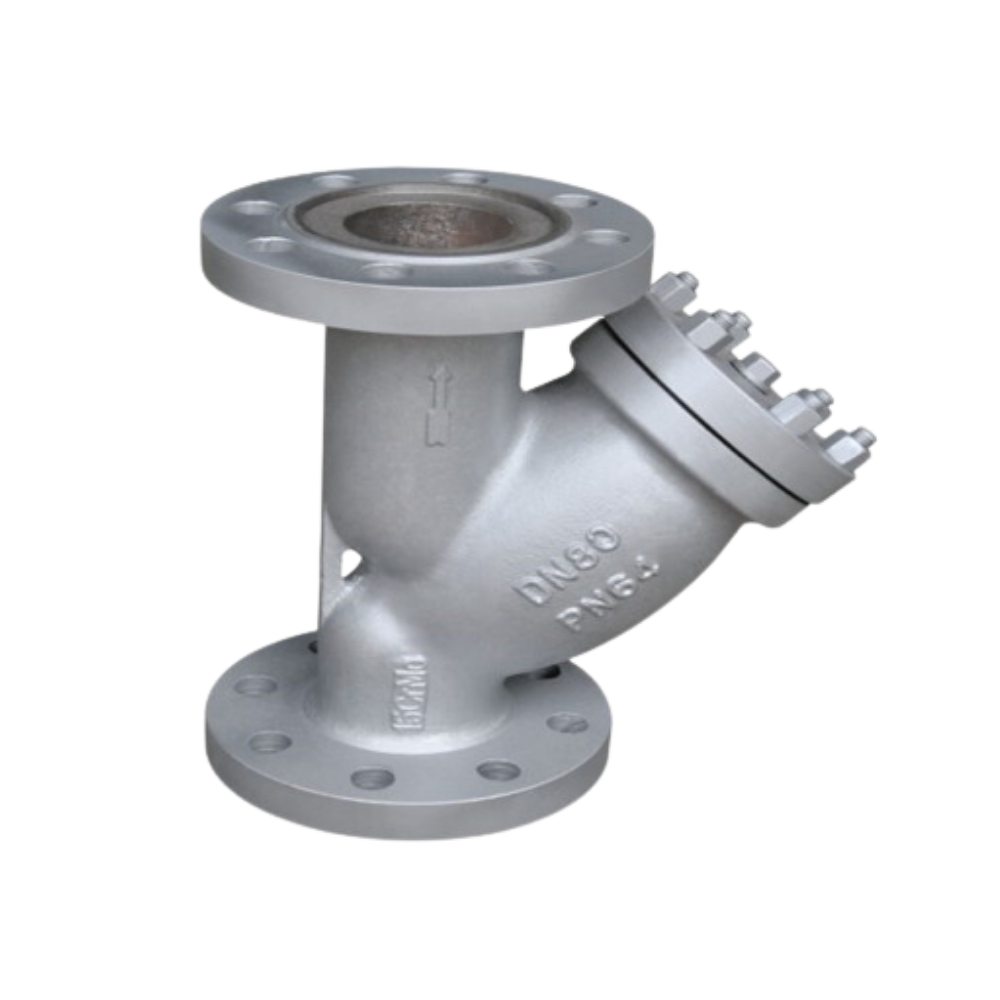
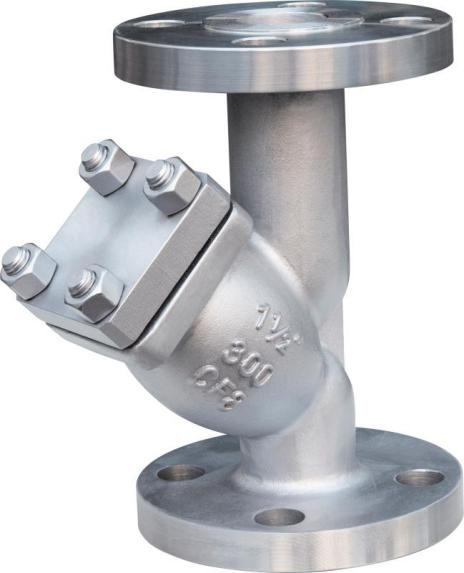
A Y strainer is a device shaped like the letter “Y” that catches and filters different types of unwanted debris (like rust flakes, metal shavings, sand, gravel, or dirt) from the liquids or gases in a pipeline.
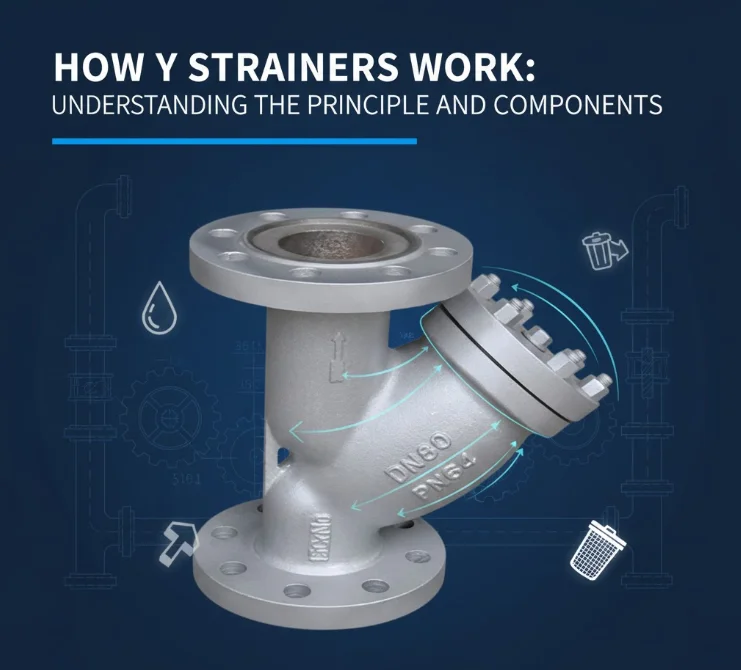
When particles enter a pipeline, they may cause damage like erosion, clogging, or even seal failure. A Y type strainer functions like an interceptor that stops them from reaching vital components like pumps and valves and harming them.
As fluids flow through the strainer body, they pass through the mesh screen. Solids get trapped, and clean fluid continues flowing downstream. This can help:
Selecting the right strainer mesh size per linear inch is vital in ensuring a more effective filtration. Smaller mesh sizes are suitable for larger debris, while bigger ones are good for catching finer particles, thus offering better protection.
| Mesh Size | Particle Retention | Common Applications | Notes |
| 20-40 | Larger debris (pipe scale, coarse sand) | Water pipelines, general purpose | Less likely to get clogged, meaning less maintenance |
| 60-100 | Medium debris (fine sand, grit) | Chemical, oil, industrial lines, fluid processing | Can get clogged if fluids contain a high amount of debris. Need regular maintenance. |
| 150-300+ | Fine debris (fine sediment, silt) | High-precision or sensitive systems | Most susceptible to clogging, thus need for regular cleaning and maintenance. |
Always consider your application and fluid type when choosing the mesh size.
When standard models don’t match your system needs, it’s time to consider customized solutions. This would allow you to match specific requirements like pressure, flow rate, and temperature.
Customization may also allow you to adjust key design factors like:
Common materials include stainless steel, carbon steel, and iron, which are chosen depending on fluid compatibility.
You can install a pressure gauge before and after it. If the pressure drops, it’s a sign that it’s clogged, which means it’s time to clean it.
Yes. They can be cleaned, reassembled, and reused many times.
A Y strainer serves as a defense mechanism, protecting your pipelines from debris that could potentially cause damage. It’s a small investment that pays off, ensuring flow efficiency and longer equipment lifespan.
Our company, LIANKE, provides durable and reliable equipment, such as Y strainers, to keep your systems efficient. Reach out to our experts today for more information or a quote for your next project.
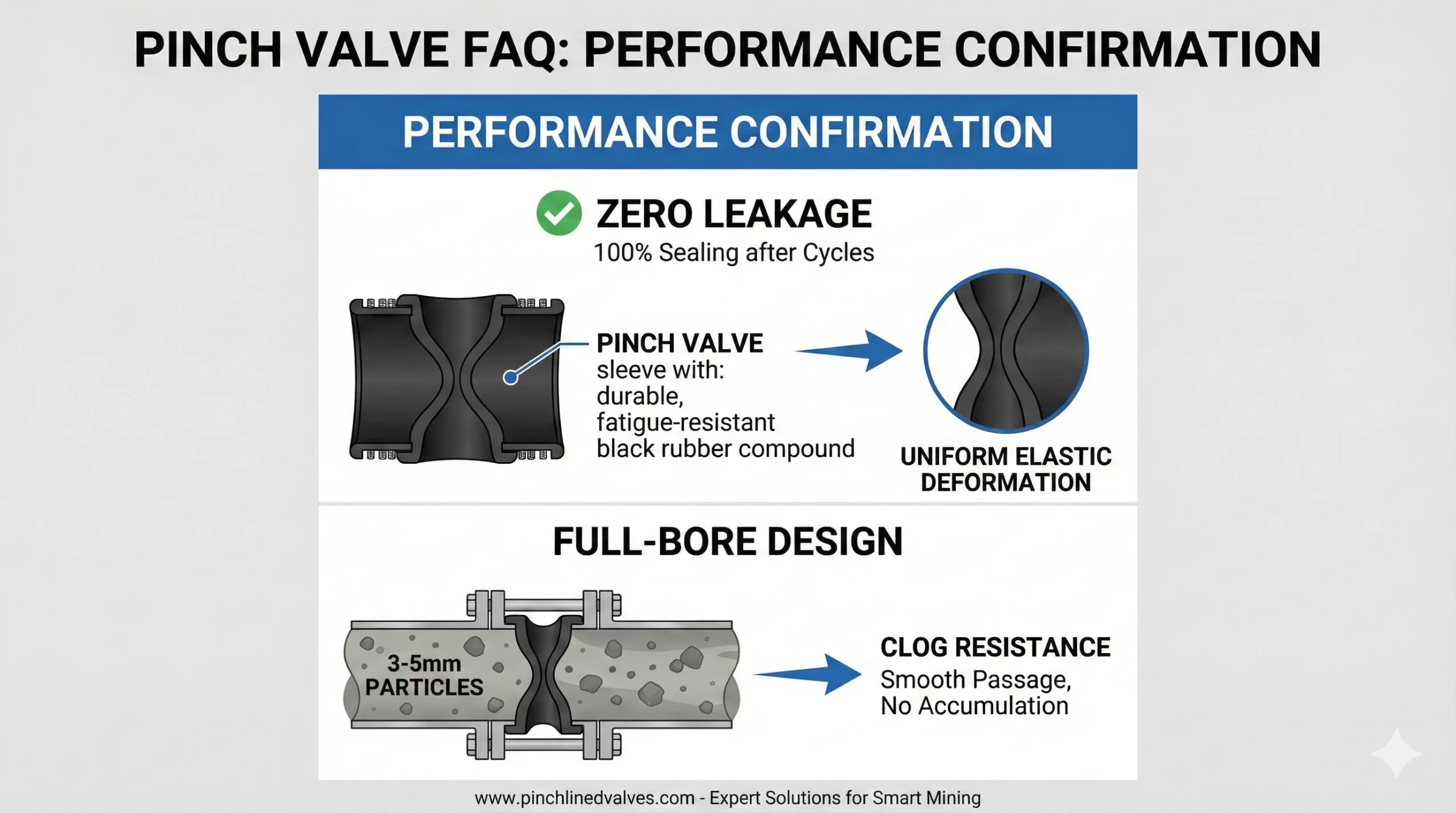
Question 3:Performance Confirmation:Your documentation mentions “zero leakage” and “clog resistance.” We would like to confirm: After long-term operation, will repeated compression cycles cause sleeve fatigue leading to sealing failure? Is the full-bore design truly effective for slurries with larger particles (e.g., 3-5mm)? Answer 3:Confirmation of “Zero Leakage” and “Clog Resistance” Performance (1)Zero Leakage Reliability: Our […]
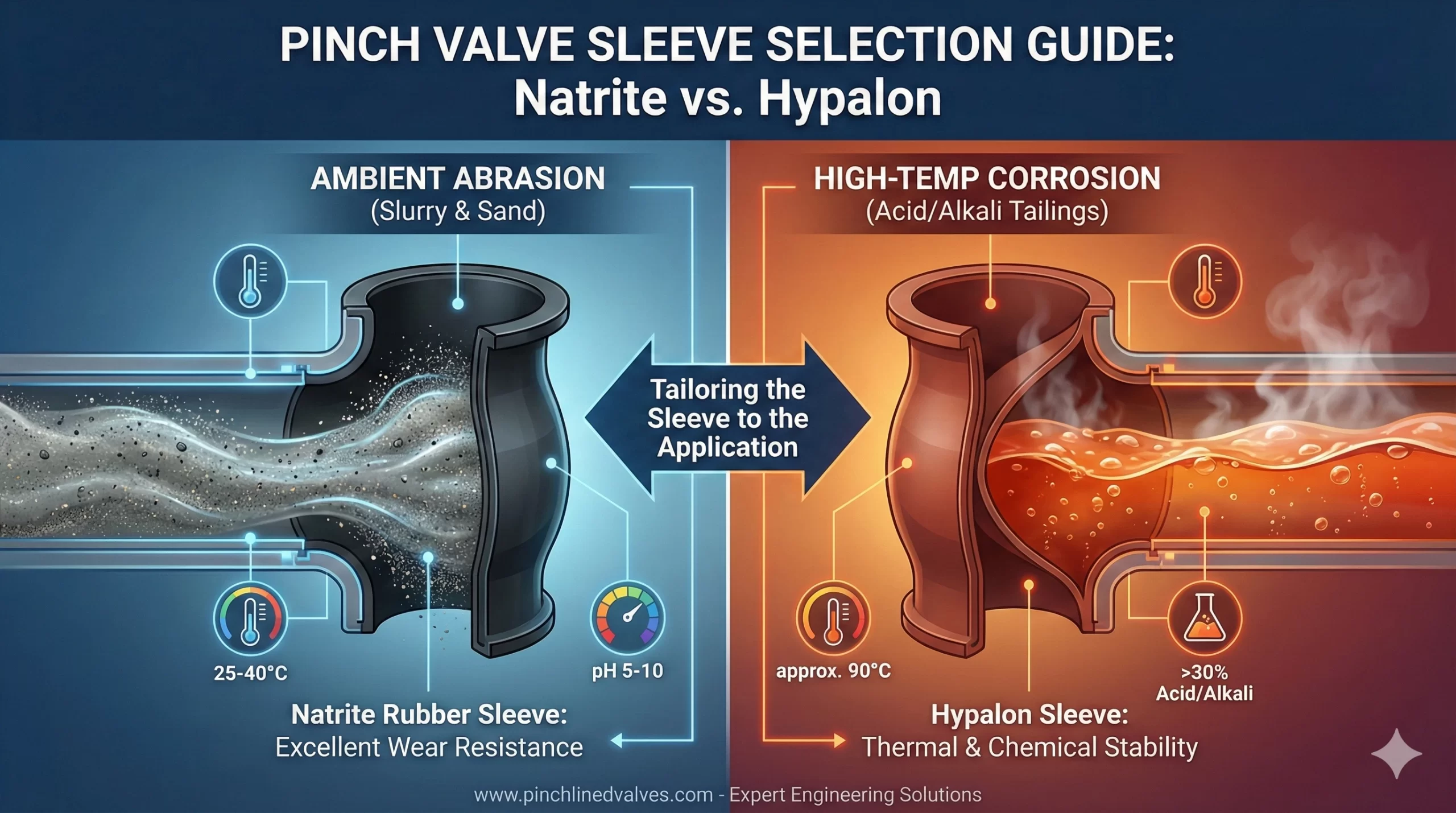
Material Selection:We are dealing with different working conditions: (1)Question1: Condition A: Ambient temperature (approx. 25-40°C) slurry containing fine sand, where wear resistance is the primary consideration, with weakly corrosive media (pH 5-10). Answer1:(ambient temperature, fine sand, low concentration corrosion, high wear resistance): Preferred recommendation: Natrite Rubber sleeve. Reason: The core advantage of Natrite Rubber lies in its […]
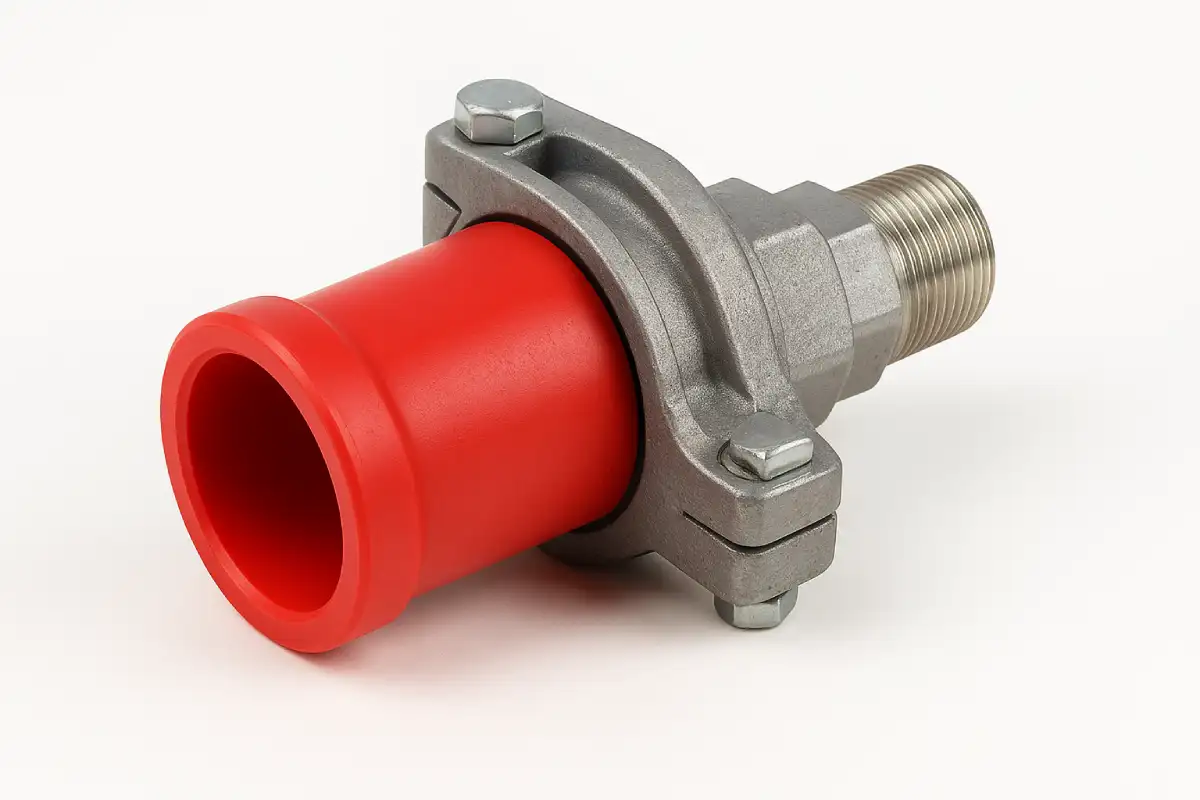
A pinch valve adapter connects a pneumatic pinch valve or manual valve to pipes, tubes, or other parts of a system. With this connector, the valve can manage liquid or gas flow without leaks or strain. It also lets the valve fit in tight or unusual setups. This reduces operational risks and improves overall performance. […]
Yes, they are. Hygienic pinch valves are specially designed to keep things clean and safe, which is why they’re so common in food, pharmaceutical, and biotech environments. Their smooth interior and dead-zone-free design make cleaning quick and reliable. And if the term is new to you, don’t worry, this article will walk you through what […]