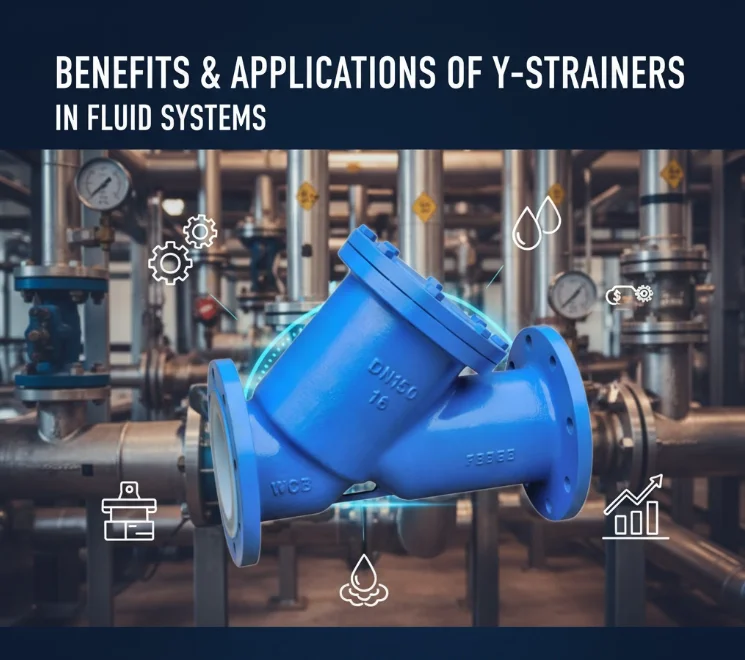
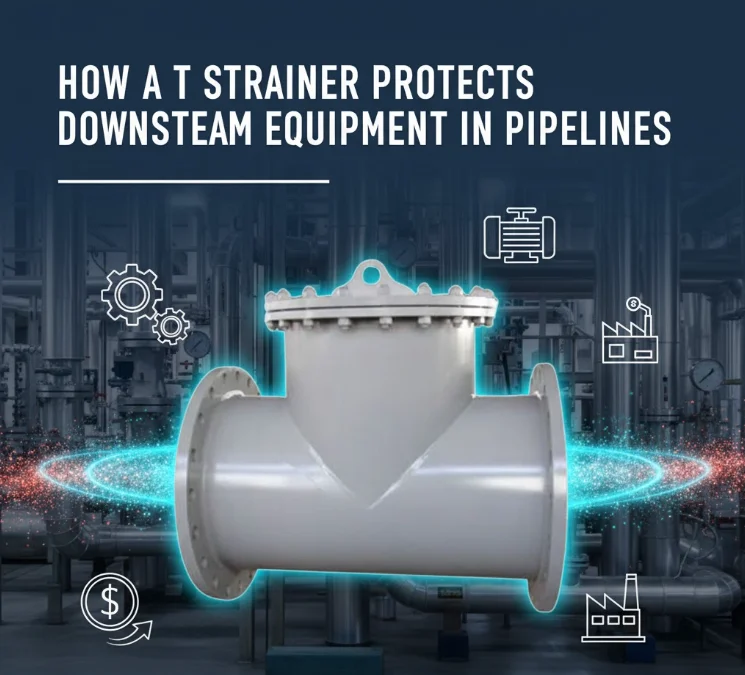
A basket strainer is essential for keeping pumps, valves, and pipelines free from debris. However, its effectiveness depends heavily on the mesh size.
Choosing the wrong one can negatively affect your system’s performance, leading to clogs, pressure drops, or even equipment failure. Learn about the impact of mesh size on filtration to avoid costly mistakes and keep your system running at its best.
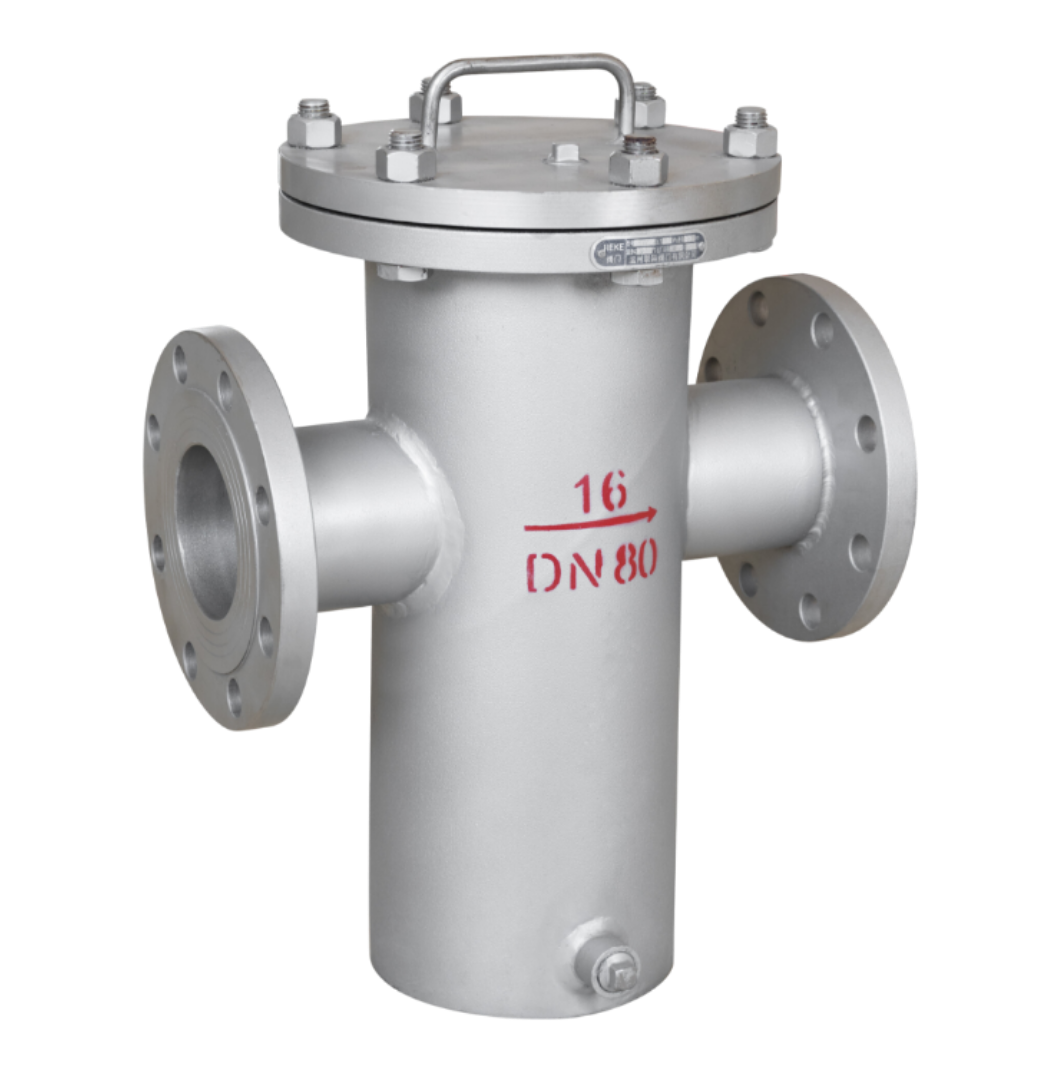
The mesh inside a basket strainer is the core of its filtration function, as it determines what gets filtered out (unwanted debris and particles) and what passes through (fluids). It can also influence flow rate, precise filtration, and maintenance frequency.
The mesh size determines the effectiveness of a basket strainer in separating solids from fluids. Thus, it must always align with particle size, pressure, processing requirements, and the fluids being handled by your system.
Below, you’ll find a range of mesh sizes. The higher the number, the finer the filtration it performs.
| Mesh Type | Filtration Level | Common Use |
| Coarse (20-100) | Larger particle capture (sand, dirt, pipe scale) | Colling water, general services |
| Medium (100-400) | Medium precision filtration (fine sand, silt, pollen) | Chemical processing, industrial applications |
| Ultra-Fine (400+) | Fine particle filtration | Food and beverages, pharmaceuticals, fuel |
Choosing the wrong mesh size in your setup can lead to:
Check out the how wrong mesh size affects basket strainer performance here:
| Mistakes | Effect |
| Using a “standard” mesh without checking particle size | Ineffective filtration |
| Ignoring system pressure and temperature | Flow restrictions, pump strains, deformation, or tearing of the mesh |
| Skipping fluid analysis | Wrong material choice can lead to corrosion, pitting, contamination, or chemical reactions |
| Delaying or forgetting regular maintenance | Premature clogging or failure |
Doing inspections every 2-4 weeks should help catch and clear clogs before they escalate.
Yes, but only if they’re minor damages like dents. Tears or corrosion damage in the mesh need a full replacement.
Yes. Choosing the right material can ensure better performance and longer protection.
A basket strainer’s performance is directly tied to the quality of its mesh. Using the correct mesh size is critical as it leads to proper filtration, prevents any equipment damage, and costly downtimes.
We at LIANKE design and develop engineered solutions for various industries and applications, including filters, pinch valves, and fluorine-lined valves. For more information or a quote on our products, contact us today.
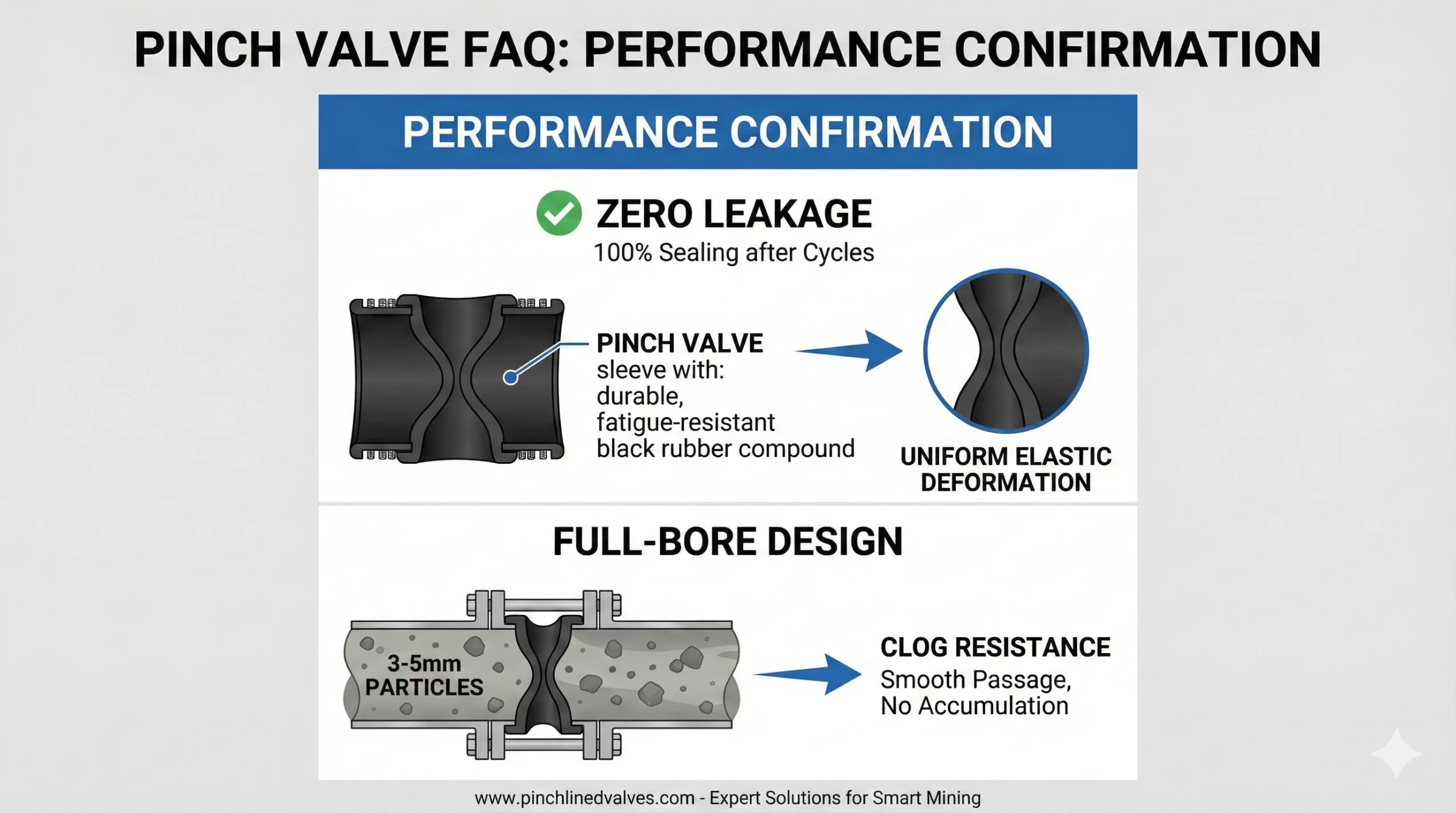
Question 3:Performance Confirmation:Your documentation mentions “zero leakage” and “clog resistance.” We would like to confirm: After long-term operation, will repeated compression cycles cause sleeve fatigue leading to sealing failure? Is the full-bore design truly effective for slurries with larger particles (e.g., 3-5mm)? Answer 3:Confirmation of “Zero Leakage” and “Clog Resistance” Performance (1)Zero Leakage Reliability: Our […]
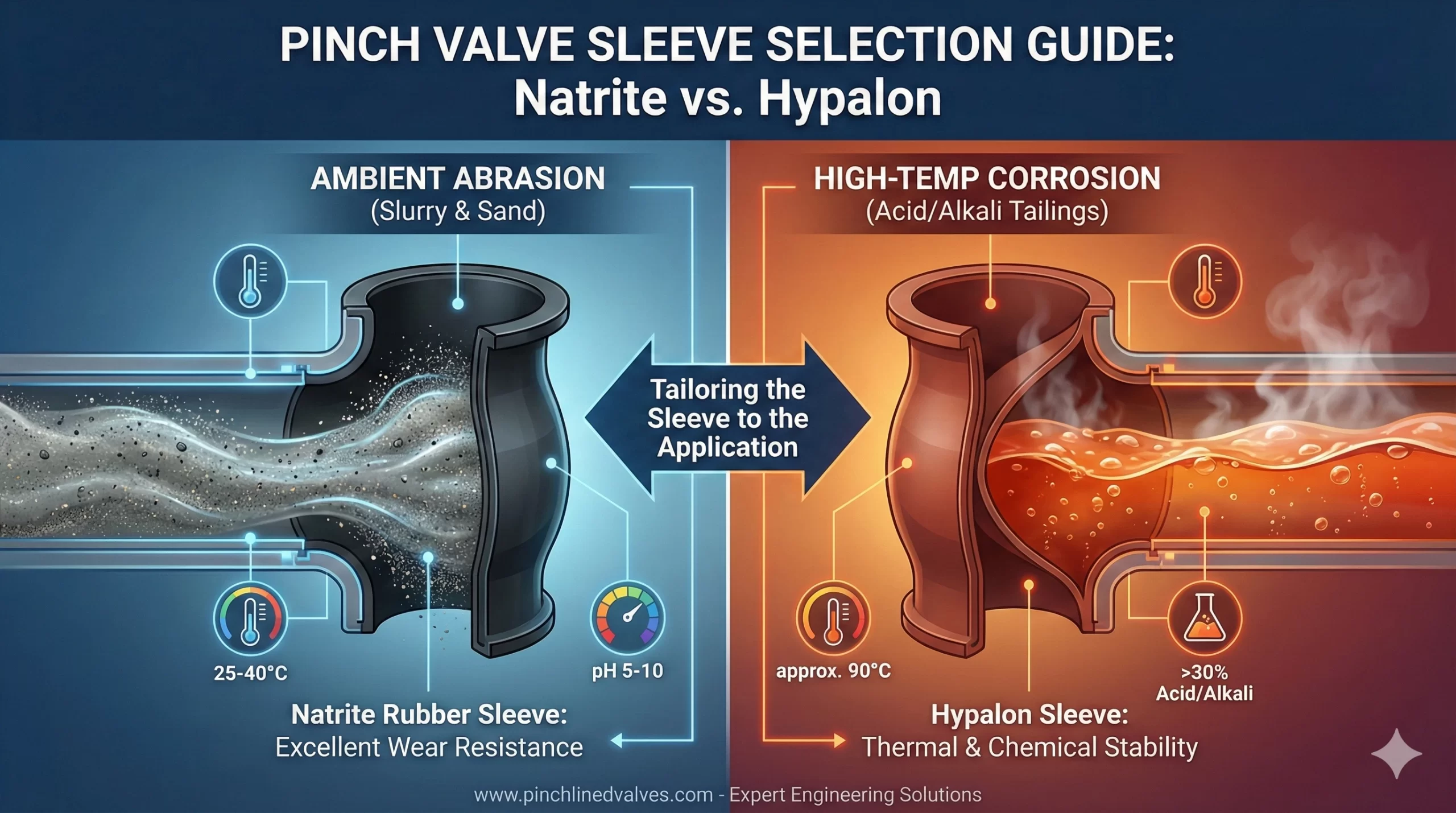
Material Selection:We are dealing with different working conditions: (1)Question1: Condition A: Ambient temperature (approx. 25-40°C) slurry containing fine sand, where wear resistance is the primary consideration, with weakly corrosive media (pH 5-10). Answer1:(ambient temperature, fine sand, low concentration corrosion, high wear resistance): Preferred recommendation: Natrite Rubber sleeve. Reason: The core advantage of Natrite Rubber lies in its […]
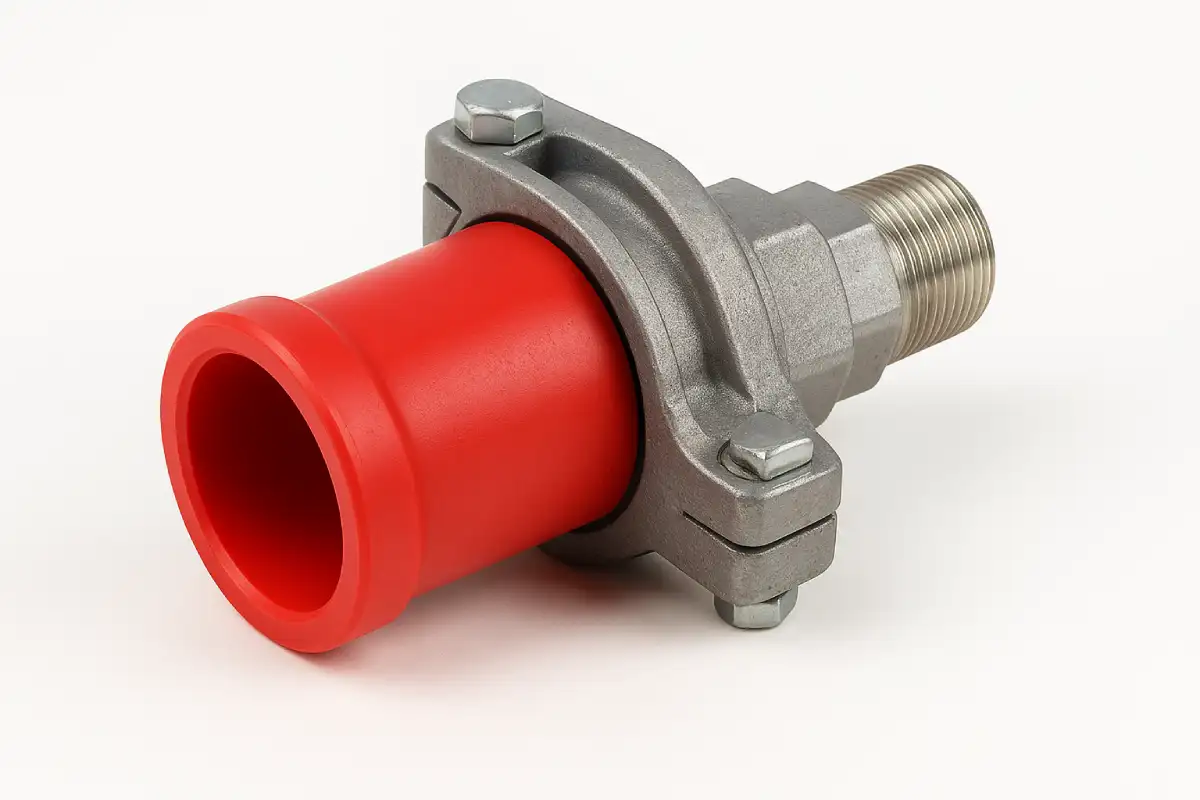
A pinch valve adapter connects a pneumatic pinch valve or manual valve to pipes, tubes, or other parts of a system. With this connector, the valve can manage liquid or gas flow without leaks or strain. It also lets the valve fit in tight or unusual setups. This reduces operational risks and improves overall performance. […]
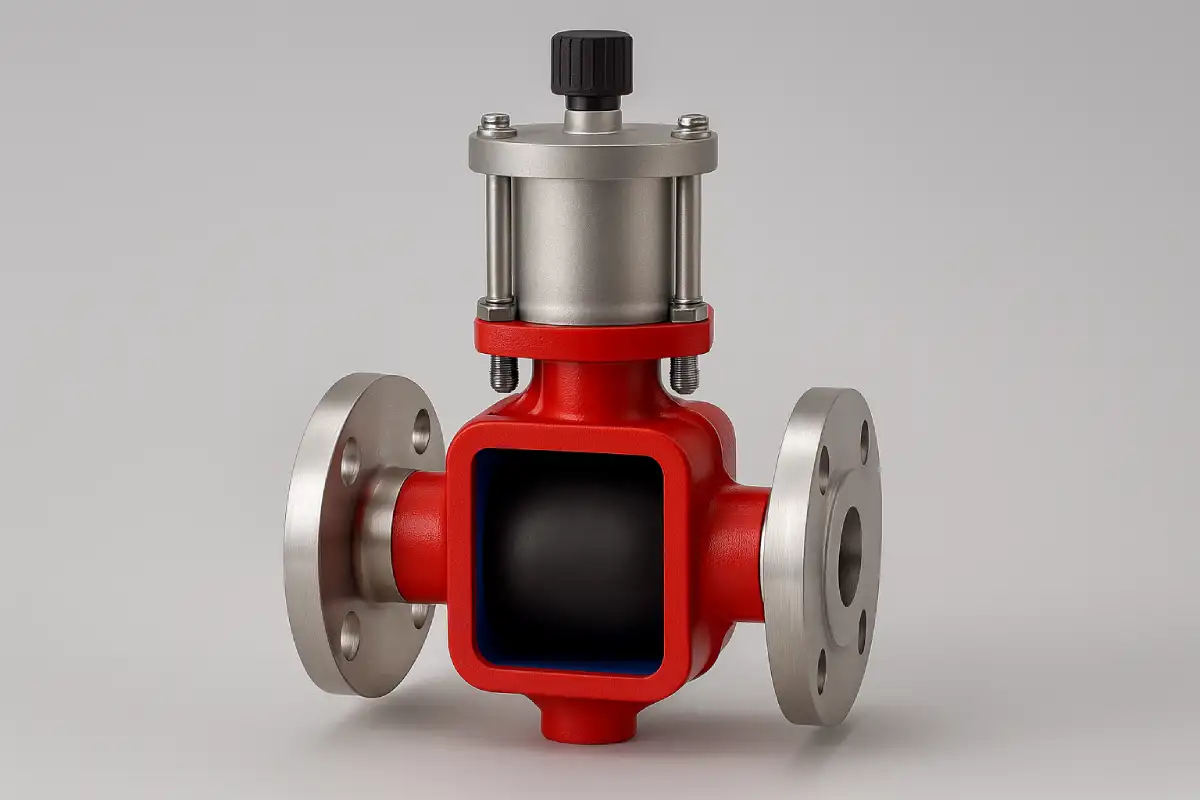
Yes, they are. Hygienic pinch valves are specially designed to keep things clean and safe, which is why they’re so common in food, pharmaceutical, and biotech environments. Their smooth interior and dead-zone-free design make cleaning quick and reliable. And if the term is new to you, don’t worry, this article will walk you through what […]