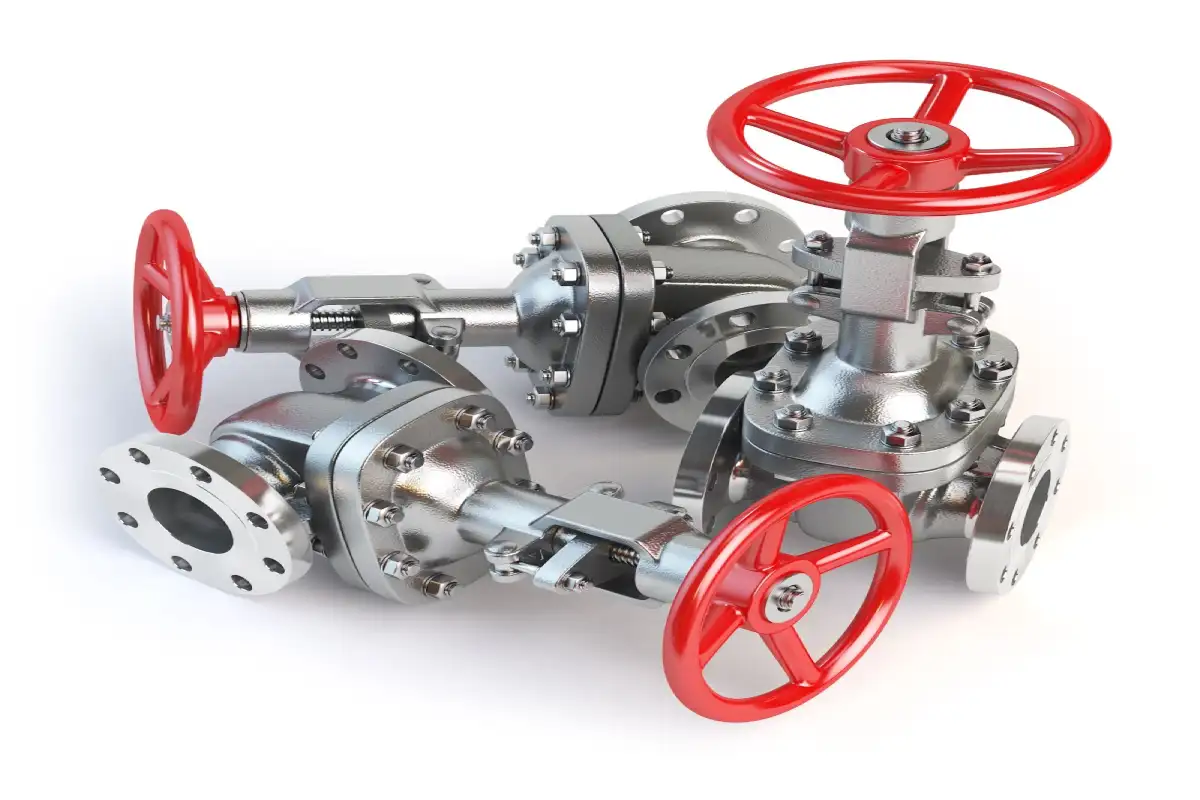
Basic plug valves are restricted yet reliable. These restrictions affect valve toughness, performance, and durability. Plug valves have low flow capacity, high torque, wear-related leakage, and imprecise throttling. Valve issues affect safety, cost, and reliability. Beginners may confidently choose and compare plug valve vs. ball valve performance by understanding plug valve constraints.
This article describes each limitation in simple terms and compares performance to help you choose the right solution.
Before exploring each issue, here are three key takeaways about plug valve limitations:
These points make them best for simple on/off applications rather than precise flow control.
One of the most common plug valve disadvantages is restricted flow. The plug inside the body often has a port that is smaller than the pipeline. This creates pressure loss and reduces overall system efficiency. If the system needs high flow or very low resistance, this becomes a serious limitation. While specific fluorine-lined plug valves are designed for corrosive resistance, standard plug valves are rarely the best choice for high-volume operations compared to full-port alternatives.
Many users try to use plug valves for throttling, but this is where more valve drawbacks appear. The tapered plug does not offer fine control. Flow changes are abrupt, making it hard to achieve stable, precise adjustments. When comparing plug valve vs ball valve designs, шаровые краны provide smoother control with less wear. Plug valves also erode faster when used half-open, which increases maintenance needs.
Solve plug valve throttling issues with superior precision. Our lined ball valves offer smooth control and zero leakage in corrosive environments.
View Ball Valve Specs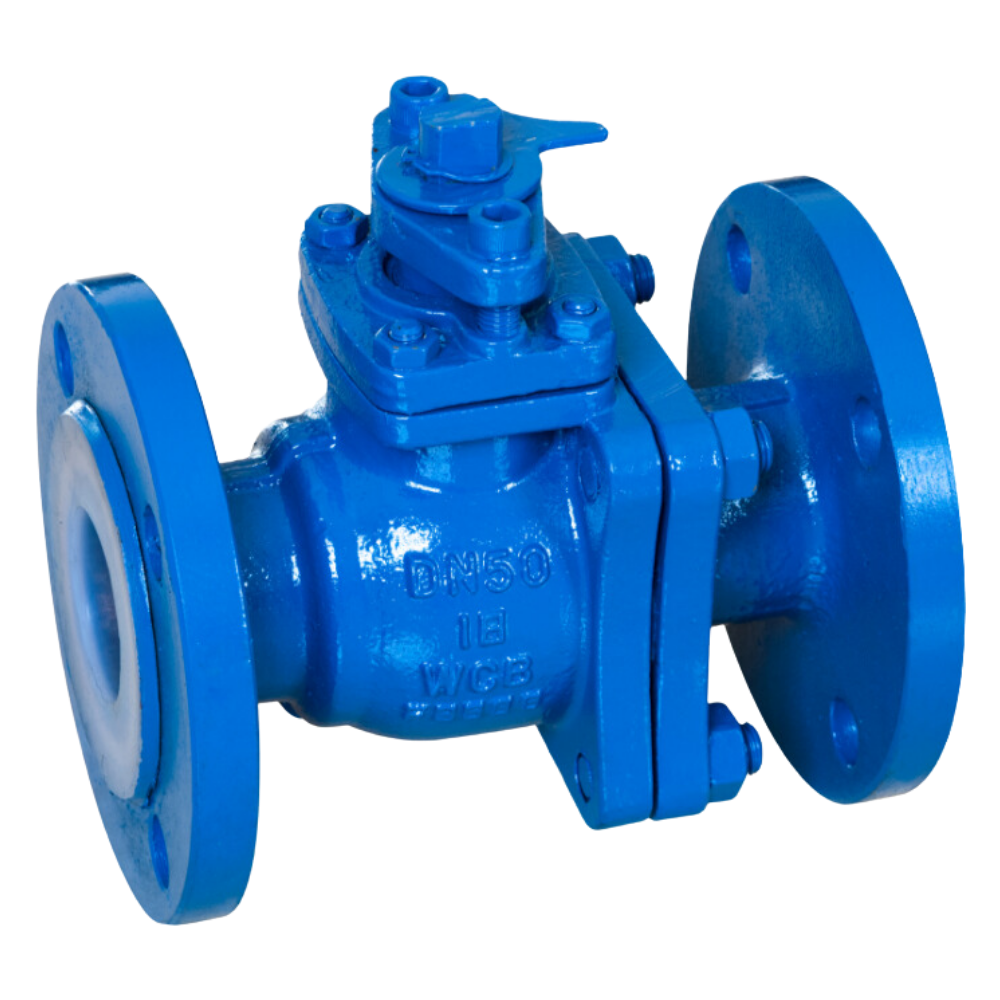
Wear is another major plug valve limitation. Repeated operation creates friction between the plug and the body. Over time, the seal loses effectiveness, and small leaks begin to appear. This is especially true in systems with abrasive or corrosive media. Users should be aware of common valve-leaking symptoms to avoid performance decline. Leakage also raises energy costs and increases the risk of contamination.
Plug valves can jam when debris, scale, or thick fluids build up around the plug. This makes the operation difficult and may require forceful turning, which increases component stress. Jamming can also cause unplanned downtime. Systems that carry slurry, sediment, or hardened particles need more frequent cleaning and lubrication to prevent failures.
The best alternative for dirty, viscous, or slurry fluids. Full-bore design prevents clogging and eliminates the jamming risks of plug valves.
Explore Anti-Jamming Valves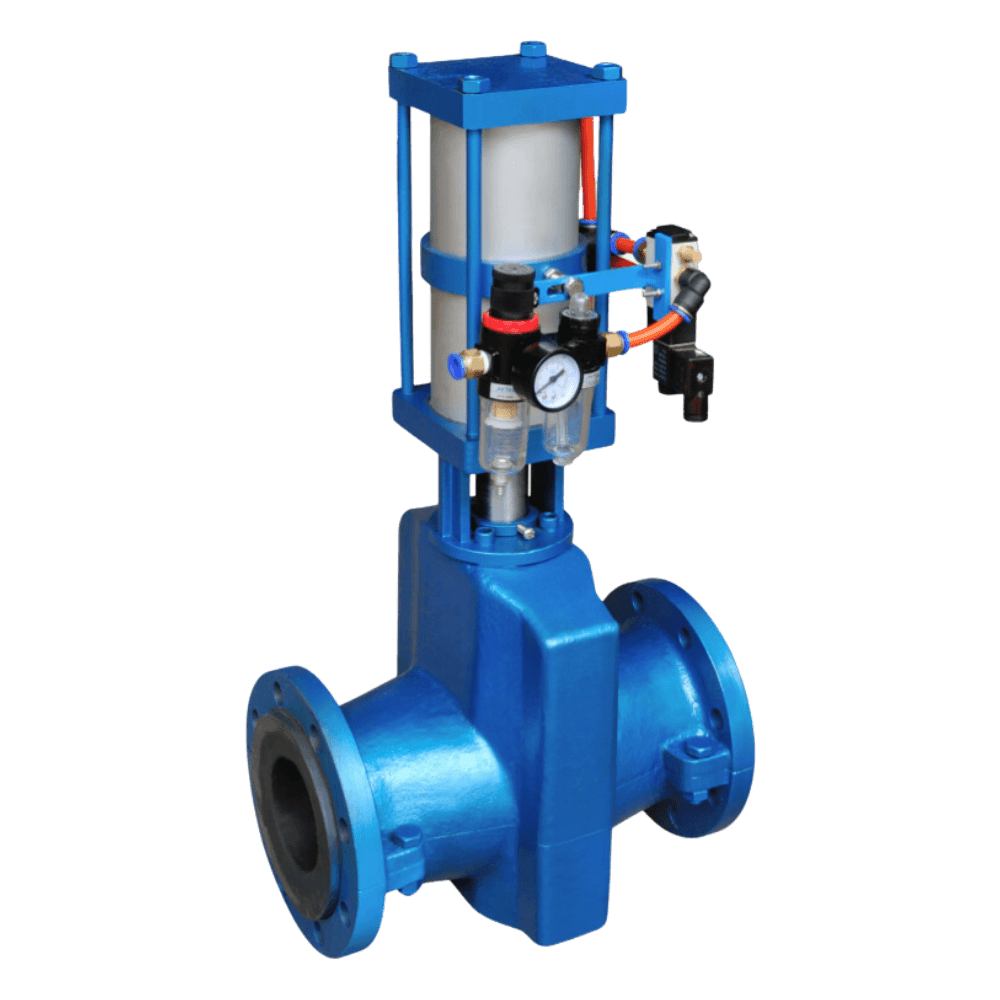
Compared with ball valves, plug valves often require more torque to operate. This means bigger handles or stronger actuators may be needed. High torque is one of the least-discussed plug valve disadvantages, yet it directly affects energy use and equipment cost, especially in automated systems where you must choose between pneumatic vs. electric actuation based on torque needs.
Plug valves are available in many sizes, but they are less common in large diameters. Many industries prefer ball valves or gate valves when pipe sizes increase. This limits their use in large-scale pipelines or high-flow applications.
Plug valves remain reliable for simple on/off control, but their flow limits, throttling challenges, and wear-related leakage make them less suitable for demanding applications. If you need a valve with better sealing, smoother flow, or cleaner operation, exploring alternatives is a smart move.
Ready to upgrade to valves that won’t let you down? Клапан Lianke has you covered with high-quality pinch valves, fluorine-lined valves, and stainless steel valves built under rigorous standards. Discover valves that work as hard as your team does.
Discover our comprehensive guide to pinch valve technology.
Explore Manufacturing Capabilities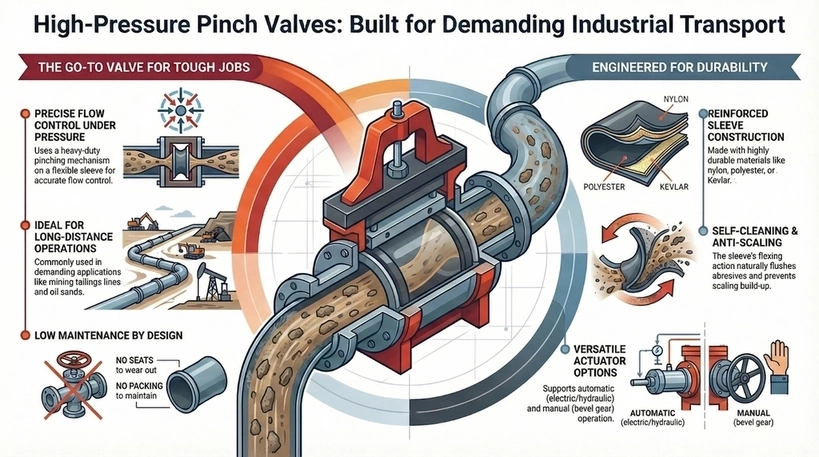
High pressure pinch valves, like PN16 pinch valve and class 150 pinch valve designs, involve a rugged and heavy-duty pinching mechanism in positioning the sleeve, resulting in an almost accurate and measurable flow of media. This kind of valve is popular and commonly used for long distance operations in mining tailings lines or oil sands, […]
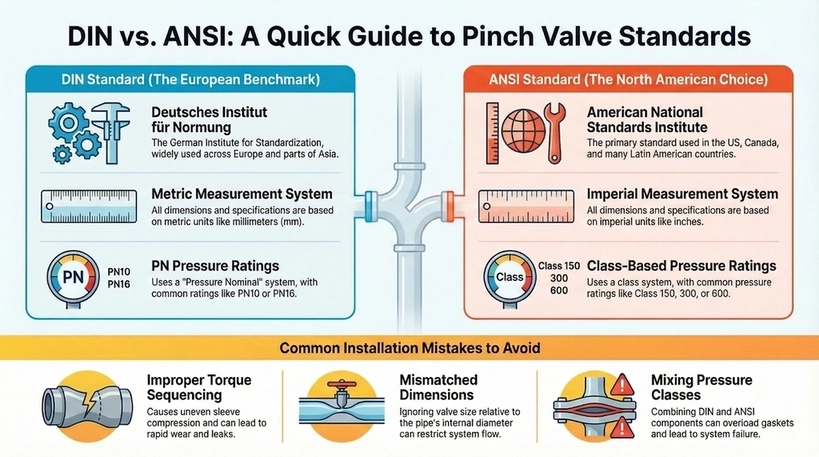
Understanding pinch valve dimensions and flanges ensures seamless integration into piping systems, particularly when choosing between DIN vs ANSI. The two are different but commonly used standards by organizations in engineering, manufacturing, and product design. DIN was developed in Germany but widely adopted across Europe and parts of Asia. Meanwhile, ANSI standards, which originate from […]
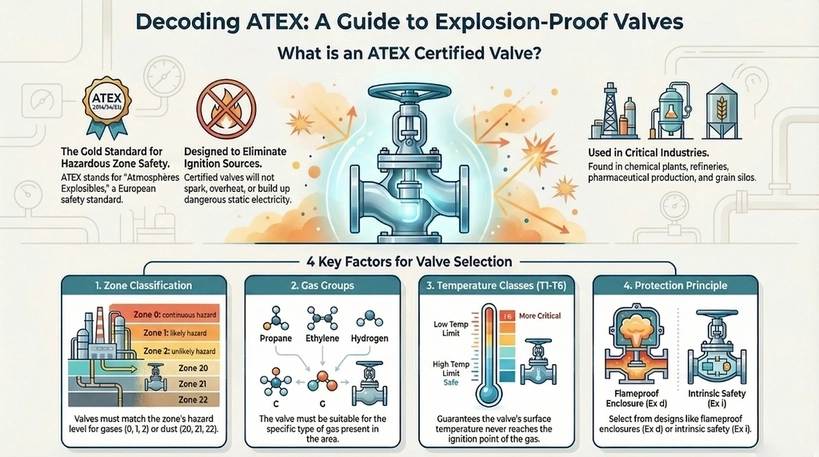
Selecting the appropriate explosion proof valve is essential for safety in industries that pose explosion risks. ATEX certified valves guarantee compliance with European standards, preventing ignition sources from heat, sparks, or static electricity. This blog explores key factors for choosing ATEX certified explosion proof valves that ensure overall operational safety, highlighting the entailed regulations and […]
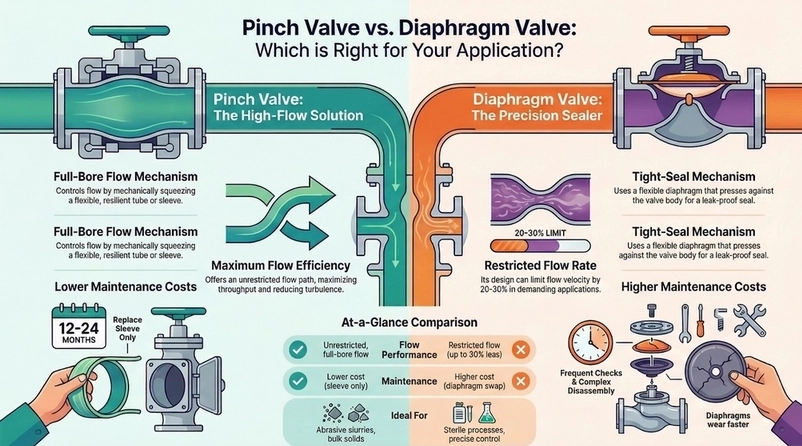
When handling abrasive or viscous media in industrial processes, the type of valve used can heavily affect the performance, efficiency, and overall user experience. In relation to this, two of the most common valve options are pinch and diaphragm valves. In this blog, we delve into the pinch valve vs diaphragm valve discussion, analyzing flow […]