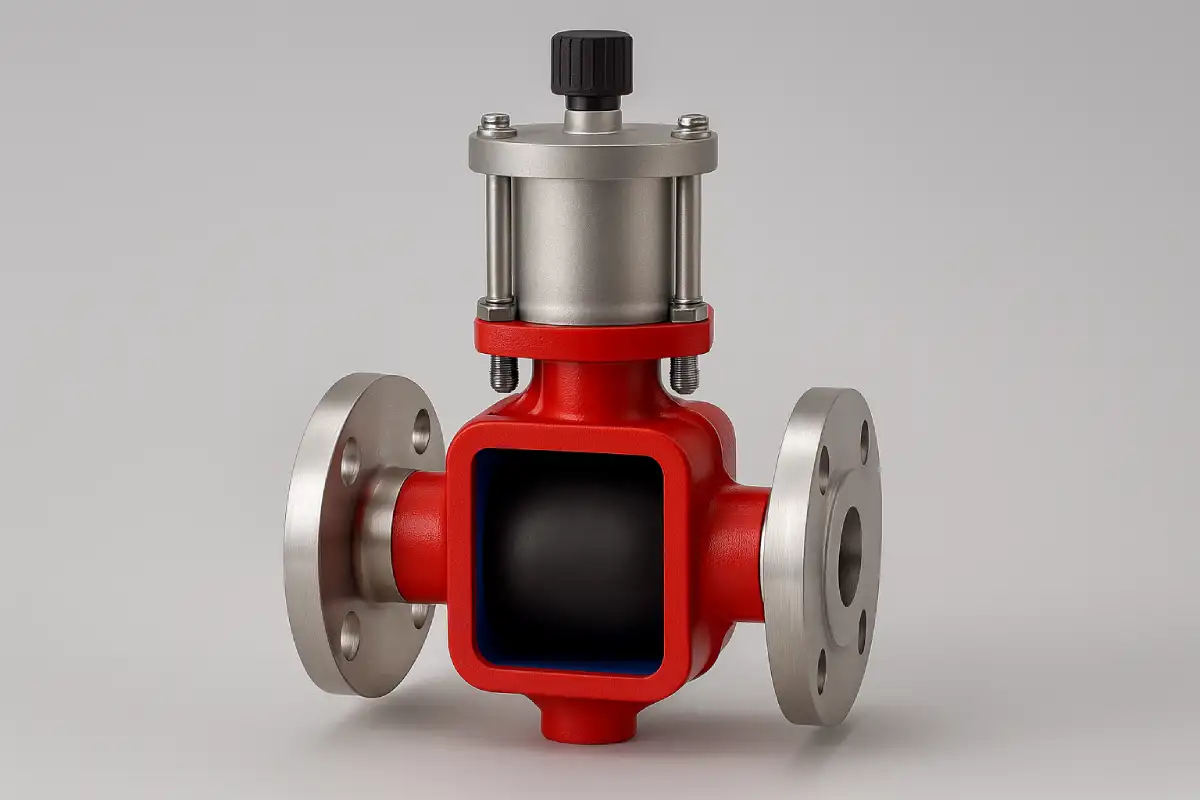
Choosing between a brass vs stainless steel valve becomes simpler once you know what your system needs. Brass valves are budget-friendly and work well in everyday plumbing. Stainless steel valves offer higher strength, longer life, and better corrosion resistance in harsh environments.
This article outlines brass valve advantages and stainless steel valve benefits, and guides you toward the right decision with confidence.
Before comparing performance, it helps to know what each valve is made of.
Brass is a mix of copper and zinc. It is easy to machine and widely used in plumbing. It handles heat better than plastic, resists corrosion, and costs less than stainless steel. This makes it a practical choice for basic water systems.
Stainless steel is an alloy of iron, chromium, and nickel. This mix gives it strong durability, high temperature resistance, and tight leak protection. Stainless steel 316 includes added molybdenum, which improves corrosion resistance in marine and chemical environments.
If corrosion is a concern, stainless steel is the stronger choice. The steel alloy protects against rust even in harsh environments. Brass also resists corrosion but cannot match the long-term stability of stainless steel in saltwater or chemical systems.
For industrial strength and superior corrosion resistance, upgrade to our Stainless Steel Ball Valves. The reliable choice for harsh environments and long service life.
View Stainless Steel Valve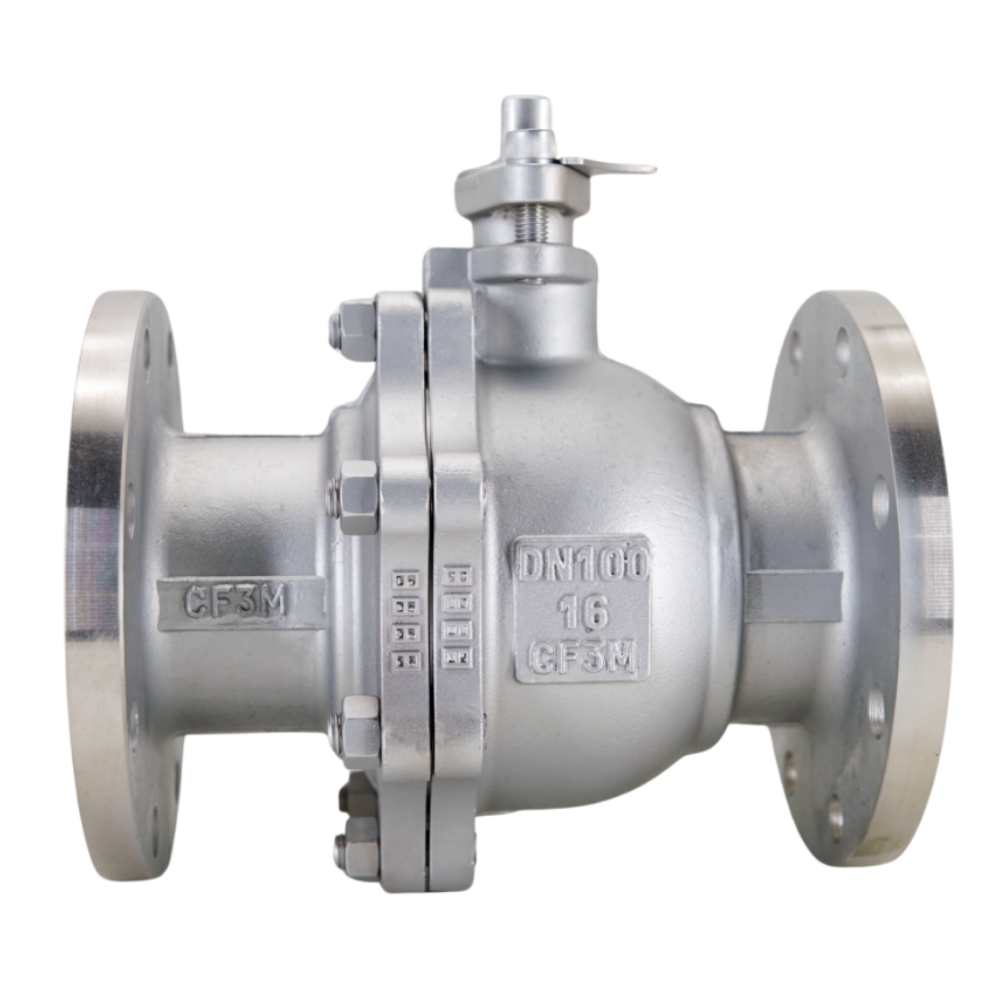
Stainless steel valves handle higher temperatures and pressures without losing strength. This is why they are often used in industrial applications, including those found in Lianke Valve’s product lines, such as fluorine lined systems и high-performance strainers. Brass works well for normal residential and commercial water flow but may struggle under extreme temperatures.
Handle extreme temperatures and aggressive chemicals with confidence. Our Fluorine Lined Ball Valves offer the ultimate protection where standard metals fail.
View Lined Valve Options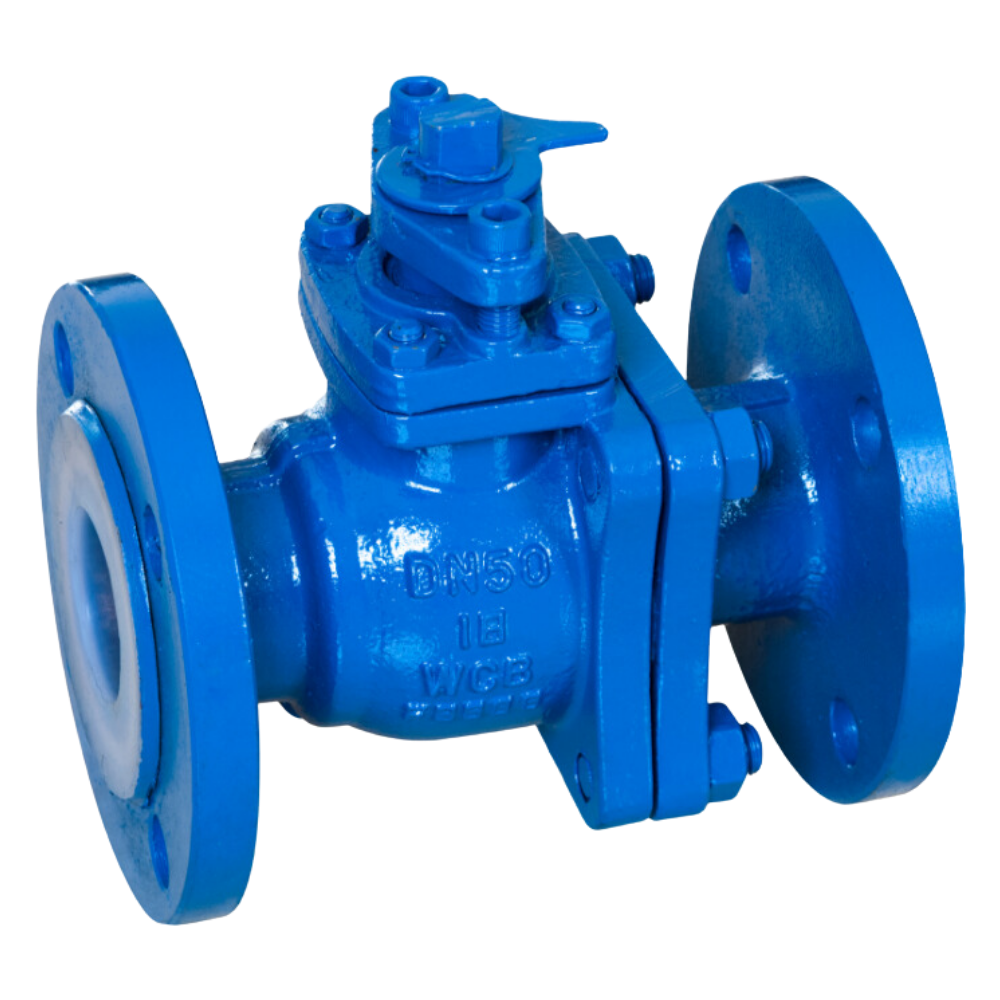
Brass sometimes contains small traces of lead. Most modern brass valves must be certified as lead-free for use in drinking water systems. Stainless steel is FDA-approved for food and water use without special requirements, making it a frequent choice for sanitary ball valve applications.
Brass welds more easily than stainless steel, making installation simpler for certain systems. Stainless steel requires more preparation, as its oxide layer must be removed before welding.
Brass valves cost less, making them ideal when budget is a priority and conditions are moderate. Stainless steel valves cost more but offer longer service life in demanding industries.
Choosing between a brass vs stainless steel valve comes down to your system conditions. If you want a lower cost for a basic plumbing setup, brass valves work well. If you need long-term strength, chemical resistance, or high-pressure performance, stainless steel valves are the more reliable choice.
As you plan your next upgrade, it helps to consider long-term reliability. Explore the collection of industrial valves from Клапан Lianke, a trusted manufacturer since 1982 known for high-quality pinch valves, lined valves, strainers, and stainless steel ball valves. Their engineering and fast delivery make it easier to find a valve that fits your project.
Discover our comprehensive guide to pinch valve technology.
Explore Manufacturing Capabilities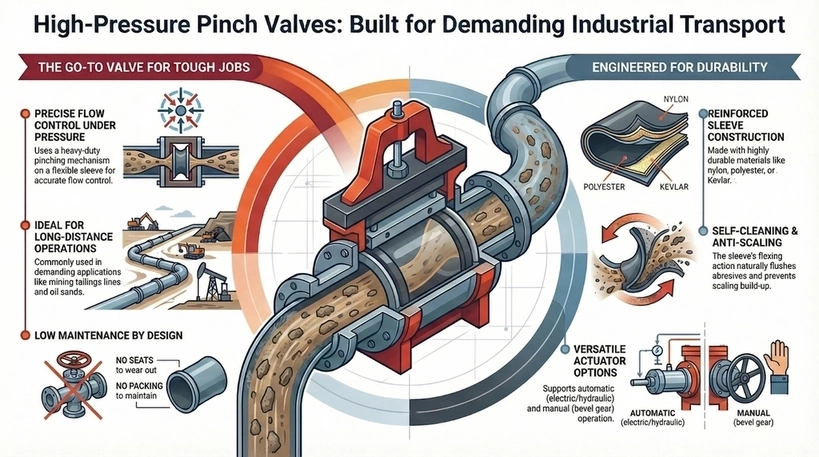
High pressure pinch valves, like PN16 pinch valve and class 150 pinch valve designs, involve a rugged and heavy-duty pinching mechanism in positioning the sleeve, resulting in an almost accurate and measurable flow of media. This kind of valve is popular and commonly used for long distance operations in mining tailings lines or oil sands, […]
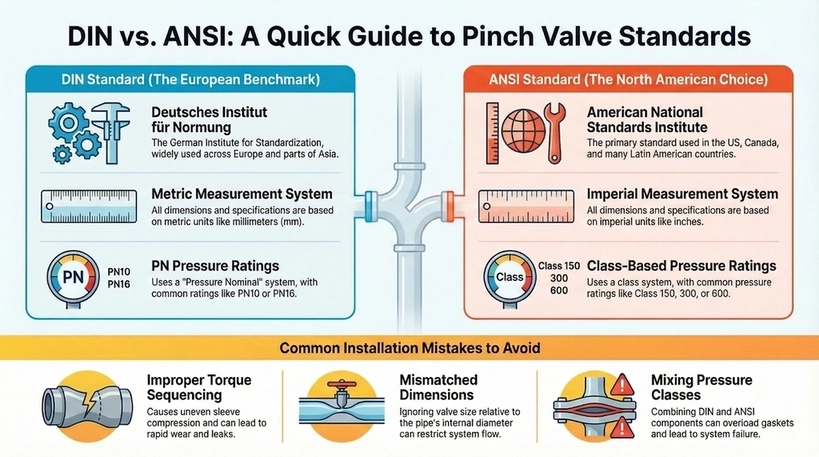
Understanding pinch valve dimensions and flanges ensures seamless integration into piping systems, particularly when choosing between DIN vs ANSI. The two are different but commonly used standards by organizations in engineering, manufacturing, and product design. DIN was developed in Germany but widely adopted across Europe and parts of Asia. Meanwhile, ANSI standards, which originate from […]
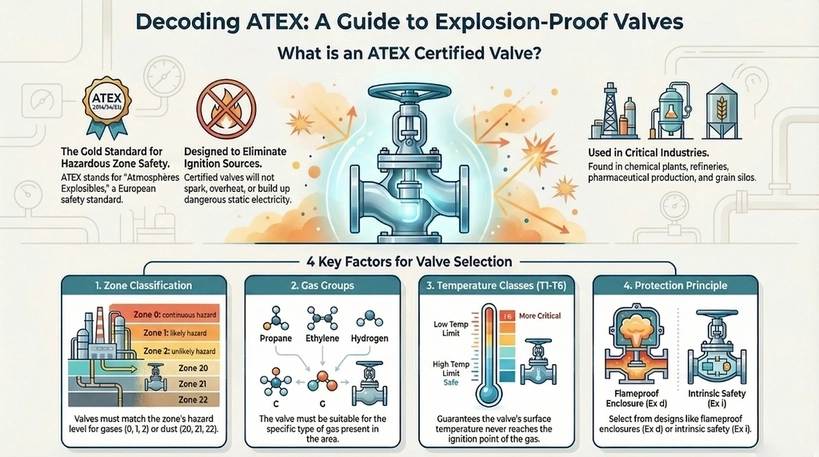
Selecting the appropriate explosion proof valve is essential for safety in industries that pose explosion risks. ATEX certified valves guarantee compliance with European standards, preventing ignition sources from heat, sparks, or static electricity. This blog explores key factors for choosing ATEX certified explosion proof valves that ensure overall operational safety, highlighting the entailed regulations and […]
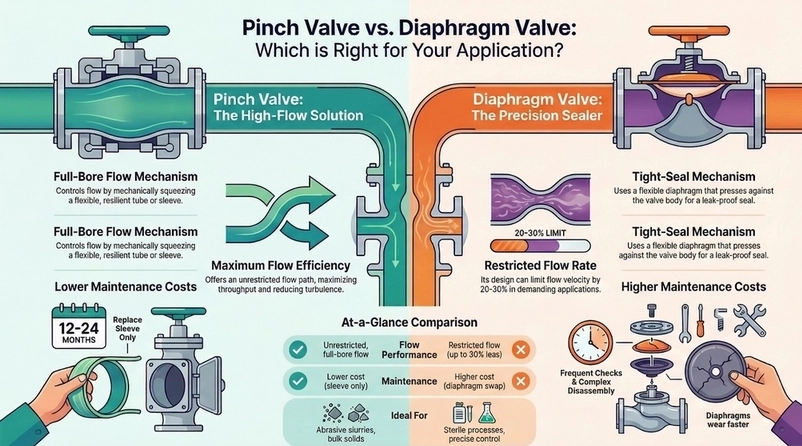
When handling abrasive or viscous media in industrial processes, the type of valve used can heavily affect the performance, efficiency, and overall user experience. In relation to this, two of the most common valve options are pinch and diaphragm valves. In this blog, we delve into the pinch valve vs diaphragm valve discussion, analyzing flow […]