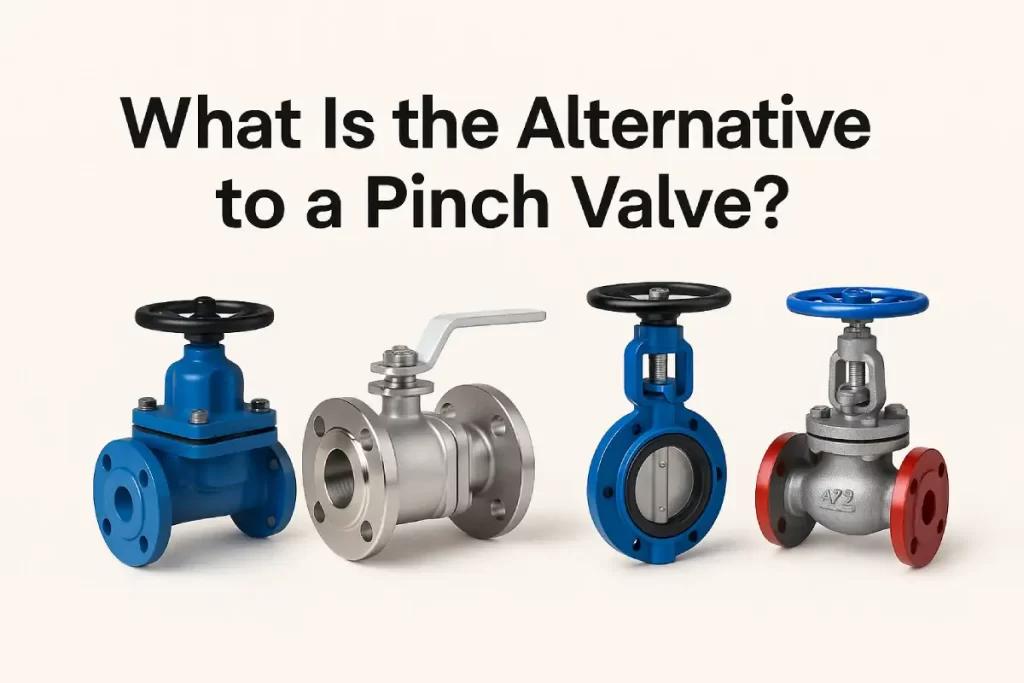
Suppose you’re looking for an alternative to a pinch valve. In that case, the short answer is this: the most common alternatives include diaphragm valves, ball valves, and globe valves, each offering different benefits depending on your flow media, pressure, and process needs.
This guide walks you through the best valve alternatives, explains how they compare, and helps beginners understand the types of control valves used in industrial systems. You’ll also learn when a pinch valve is still the better choice and how each option handles abrasive, corrosive, or delicate media.
Pinch valves are valued for their flexible sleeves, minimal contact with flow media, and simple operation. They’re excellent for abrasive and corrosive fluids, as confirmed by Lianke Valve’s pinch-valve designs, which use rubber sleeves and external compression to control flow.
However, some applications need tighter modulation, higher pressure resistance, or different sealing methods. That’s where valve alternatives come in.
А мембранный клапан is often the top alternative to a pinch valve when hygiene is the priority.
Why choose it?
Diaphragm valves are also seen in lined and rubber-coated forms, similar to the rubber-lined options. They’re ideal when you want pinch-valve simplicity with cleaner internal surfaces.
Ideal for pharmaceutical and chemical applications. Our diaphragm valves provide secure media isolation with a corrosion-resistant fluorine lining for maximum purity.
View Diaphragm Valve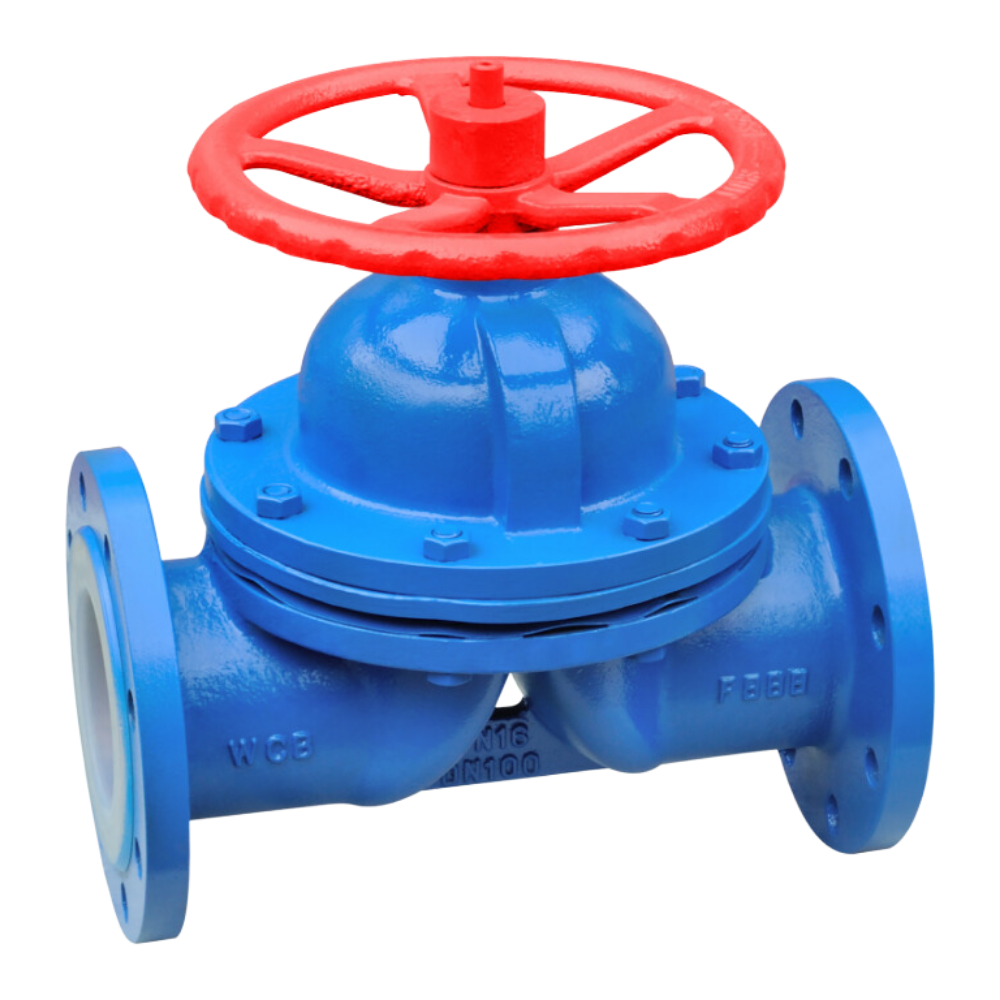
Ball valves offer tight shut-off and high durability.
When to pick them:
Lianke Valve produces stainless steel ball valves as part of its industrial product line, making them a solid choice when the soft sleeve of a pinch valve cannot withstand the system pressure.
When system pressure exceeds pinch valve limits, choose our Stainless Steel Ball Valves. They offer durable, tight shut-off for demanding industrial lines.
View Ball Valve Specs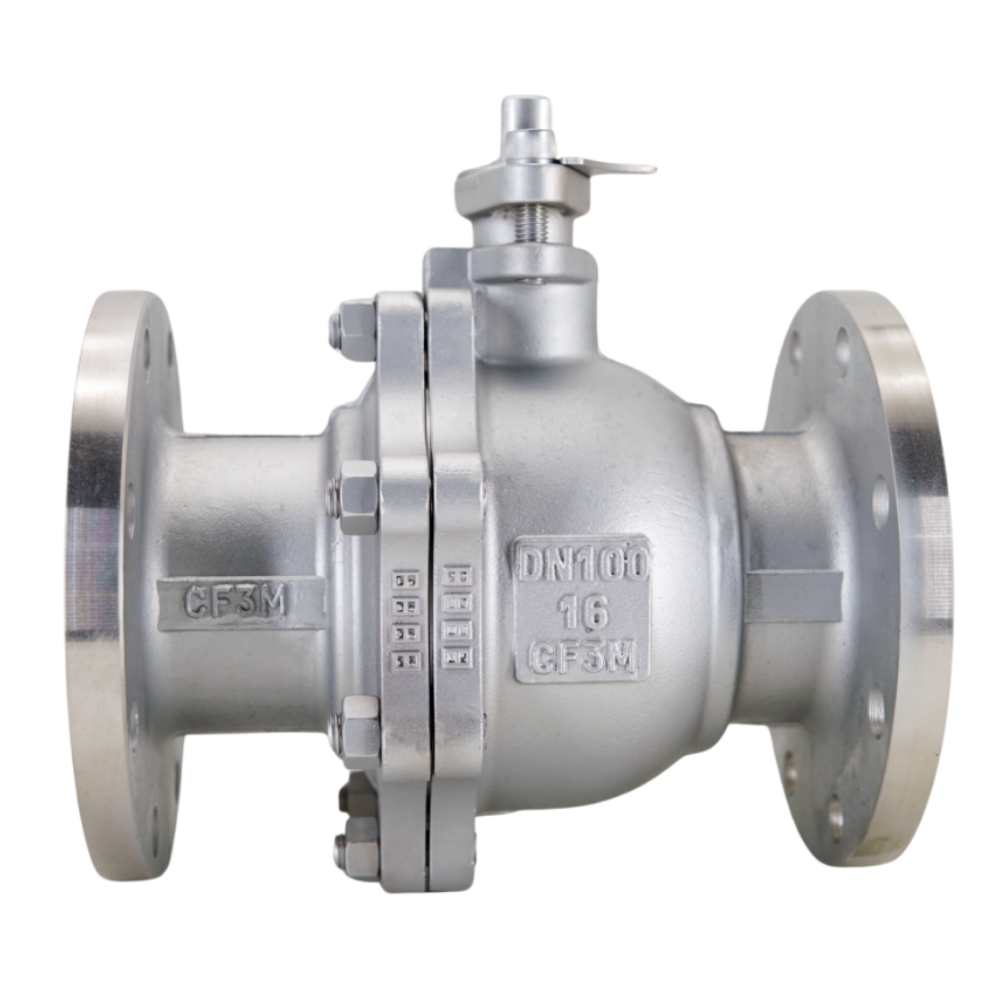
Globe valves are known for accurate throttling.
Why they replace pinch valves in some systems:
If your goal is smooth and repeatable flow control rather than abrasion resistance, a globe valve may be the better option.
Задвижки provide wide, unobstructed openings.
Best used when:
Pinch valves can manage gritty, abrasive materials better, but gate valves excel at straightforward shut-off duties.
Selecting between these types of control valves depends on your process and the materials you handle. For abrasive slurry, pinch valves still shine. For high pressure, ball valves win. For hygiene, diaphragm valves lead. For precise throttling, globe valves offer the most control.
Finding the right alternative to a pinch valve becomes easier when you understand how each valve works and where it performs best. If you’re comparing valve alternatives or planning a new system, take a look at the full collection of Клапан Lianke products. Their long history in pinch-valve manufacturing and lined-valve technology helps ensure steady and reliable performance in many industries.
Discover our comprehensive guide to pinch valve technology.
Explore Manufacturing Capabilities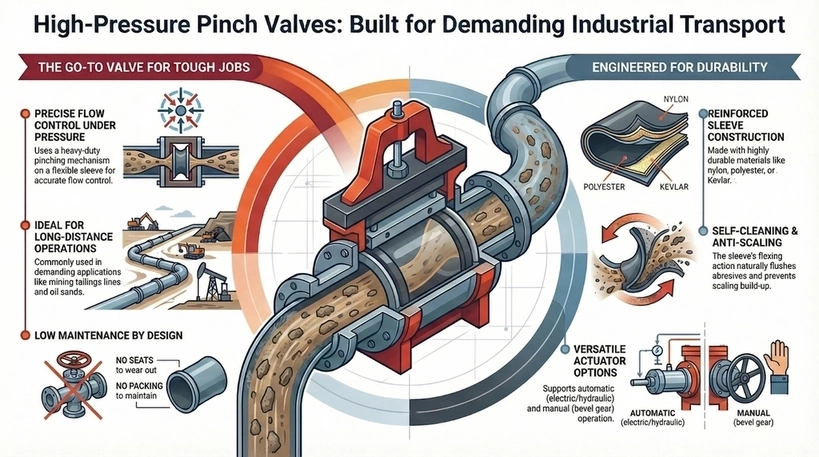
High pressure pinch valves, like PN16 pinch valve and class 150 pinch valve designs, involve a rugged and heavy-duty pinching mechanism in positioning the sleeve, resulting in an almost accurate and measurable flow of media. This kind of valve is popular and commonly used for long distance operations in mining tailings lines or oil sands, […]
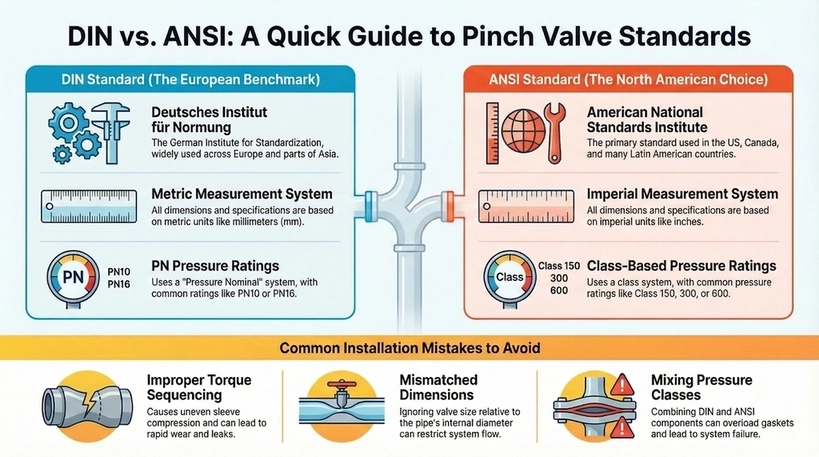
Understanding pinch valve dimensions and flanges ensures seamless integration into piping systems, particularly when choosing between DIN vs ANSI. The two are different but commonly used standards by organizations in engineering, manufacturing, and product design. DIN was developed in Germany but widely adopted across Europe and parts of Asia. Meanwhile, ANSI standards, which originate from […]
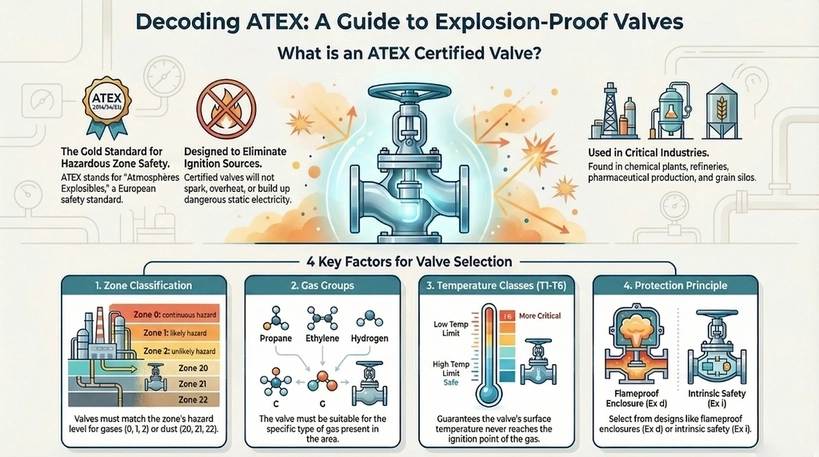
Selecting the appropriate explosion proof valve is essential for safety in industries that pose explosion risks. ATEX certified valves guarantee compliance with European standards, preventing ignition sources from heat, sparks, or static electricity. This blog explores key factors for choosing ATEX certified explosion proof valves that ensure overall operational safety, highlighting the entailed regulations and […]
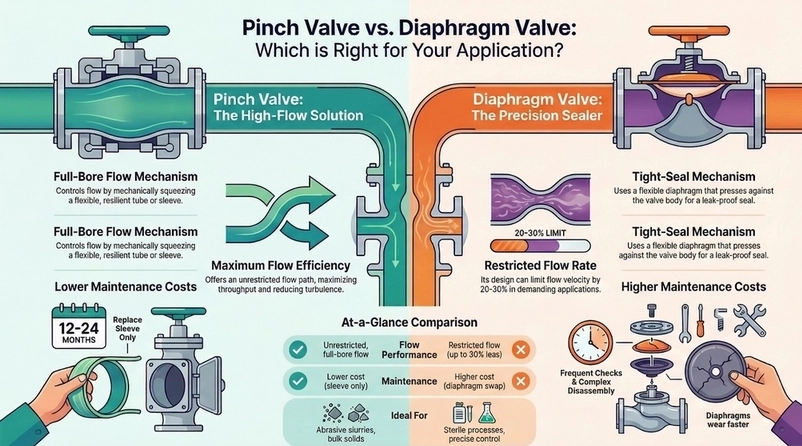
When handling abrasive or viscous media in industrial processes, the type of valve used can heavily affect the performance, efficiency, and overall user experience. In relation to this, two of the most common valve options are pinch and diaphragm valves. In this blog, we delve into the pinch valve vs diaphragm valve discussion, analyzing flow […]