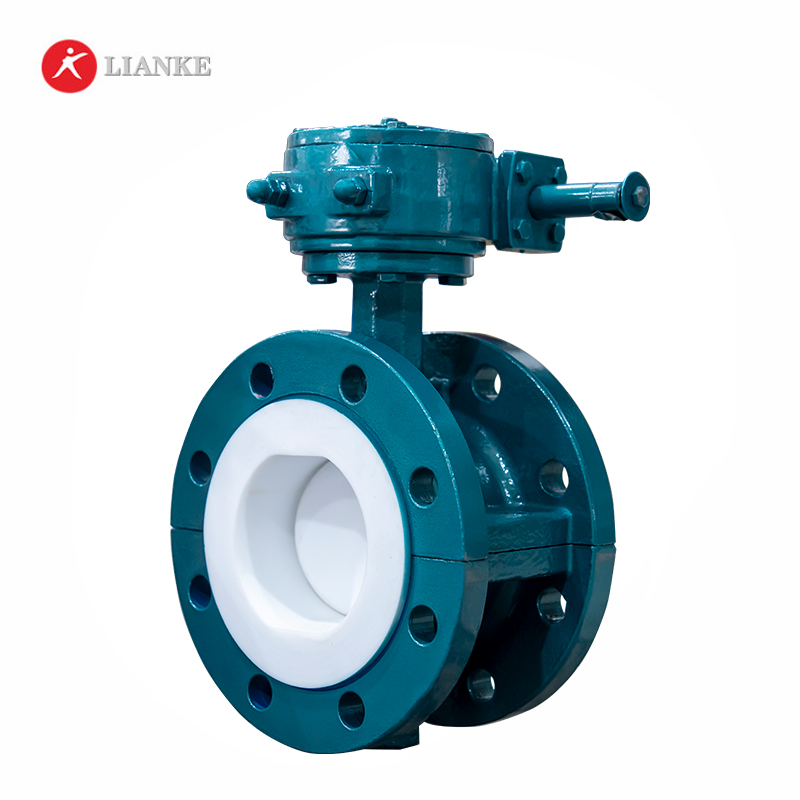
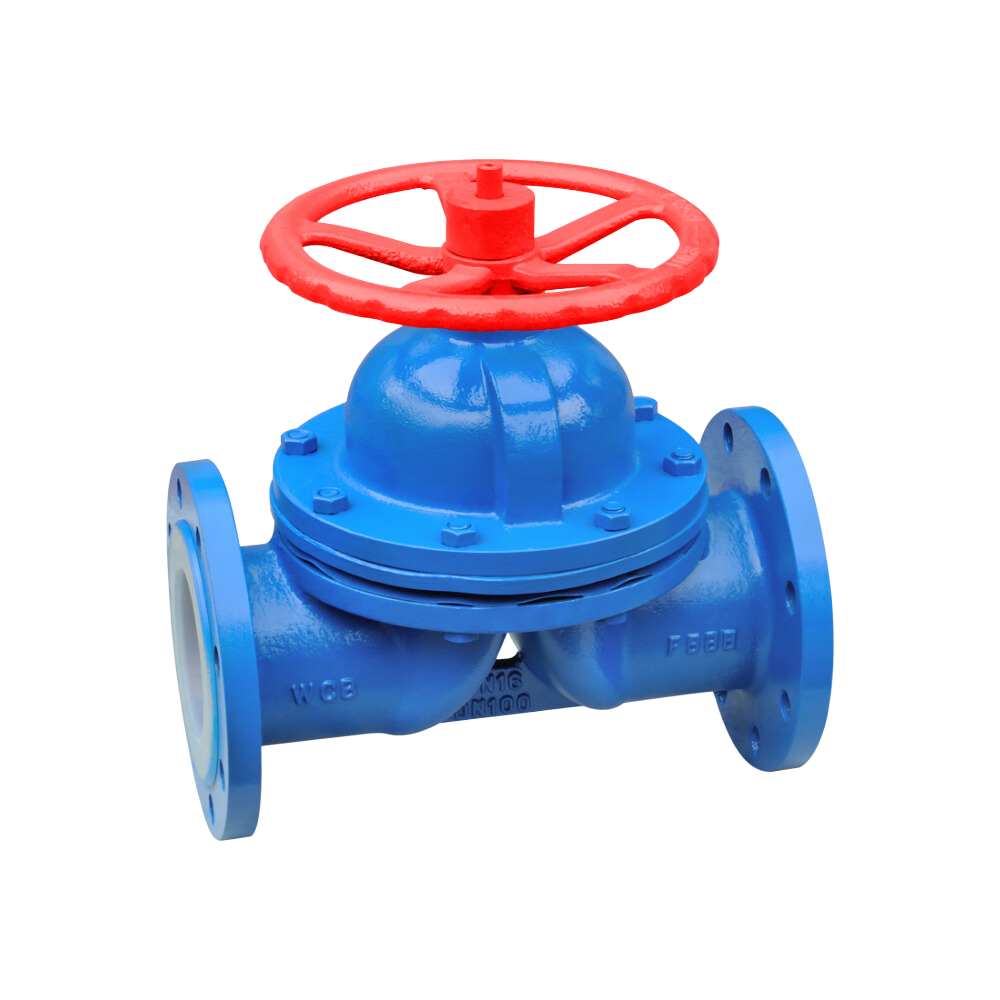
Ball valves are quarter-turn valves widely used to control the flow of liquids and gases in pipelines. They use a rotating ball with a bore through the center to open or block flow, providing quick shut-off and reliable sealing.
Among the different designs, full-portand standard port ball valves are two common options. The main difference lies in the bore size inside the valve. A full port ball valve has an opening that matches the pipe diameter, allowing unrestricted flow, while a standard port ball valve has a slightly smaller opening, which may create a minor pressure drop but reduces cost and size.
In this guide, we’ll explain the key differences between full port vs standard port ball valves, when each type should be used, and how to choose the right valve for your system.
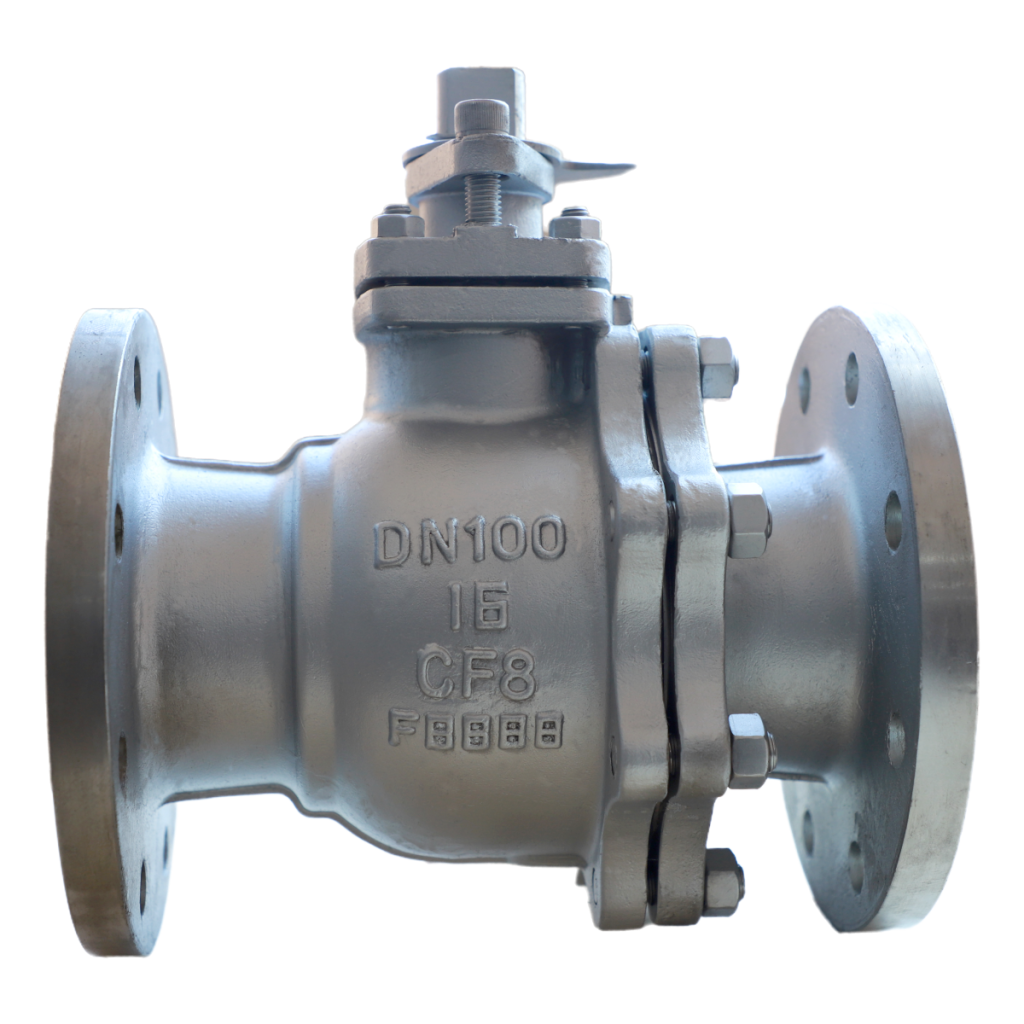
Full port ball valves are also called full bore ball valves, while standard port valves are sometimes referred to as reduced bore ball valves.
A full port ball valve allows fluid to move without restriction. Because its bore is the same size as the pipe, pressure loss is minimal.
Benefits:
These are common in industries that require high flow, such as oil and gas, water treatment, and chemical processing.
A standard port ball valve has a smaller bore, meaning it slightly restricts flow. While this creates a small pressure drop, it’s not an issue in most systems.
Benefits:
Standard port ball valves work well in plumbing, HVAC, irrigation, and general water distribution.
A V-port ball valve has a V-shaped opening in the ball, allowing for precise control over flow rate. Unlike standard and full port ball valves, which primarily serve as on/off valves, v port ball valves offer better flow regulation.
Benefits
These are best for process control systems requiring steady, adjustable flow rates.
Now that we’ve introduced the different types, let’s compare full port vs standard port ball valves in more detail. The main difference comes down to bore size and flow capacity.
| Feature | Full Port Ball Valve | Standard Port Ball Valve |
| Bore Size | Matches pipe diameter | One size smaller than the pipe |
| Flow Restriction | No restriction | Slight restriction |
| Pressure Drop | Minimal | Higher |
| Best Use Cases | High-flow, high-pressure systems | General plumbing, HVAC, and irrigation |
| Cost | Higher due to larger size | More affordable |
| Clogging Risk | Lower due to full opening | Higher due to reduced bore |
In any piping system, flow efficiency is key. To choose the right valve, you need to know two simple terms: Pressure Drop and Cv.
Think of Pressure Drop as energy loss. It happens when fluid hits a restriction in the valve. A smaller bore creates more friction. This forces your pumps to work harder, leading to higher electricity bills and more system wear.
Cv is a simple score for flow efficiency. It tells you how much water can pass through a valve with a 1 psi pressure drop.
| Feature | Full Port Ball Valve | Standard Port Ball Valve |
| Bore Size | Matches pipe diameter | One size smaller than pipe |
| Flow Coefficient (Cv) | Maximum (Highest Efficiency) | Reduced (Moderate Efficiency) |
| Pressure Drop ($\Delta P$) | Minimal / Negligible | Higher / Measurable |
| Energy Consumption | Lower (Less pump strain) | Higher (Over long-term use) |
| Best Use Cases | High-flow, critical processes | General HVAC, irrigation |
| Cost | Higher | More affordable |
Full port ball valves work best when you need maximum flow with no restrictions.
You can use them when pressure drop needs to be minimized, especially in high-pressure systems.
They also handle thick fluids and solids without clogging, making them ideal for industries like oil and gas.
Best for:
Standard port ball valves work best when some flow restriction is acceptable.
You can use them in systems where saving space and reducing costs matter more than full flow.
They are a common choice for applications where a small pressure drop won’t impact performance.
Best for:
Picking the right valve depends on what your system needs.
If flow efficiency and minimal pressure drop matter most, go with a full-port ball valve. If space and budget are bigger concerns, a standard port ball valve will get the job done. For more control over flow rates, a v-port ball valve is the better choice. Lianke Valve offers high-quality ball valves built for performance. If you’re not sure which one fits your system, reach out—we can help you find the right fit.
Discover our strict quality control and state-of-the-art facilities ensuring the highest standard for every valve.
Explore ProcessHere is the extracted and highly condensed FAQ section, optimized for quick reading by busy B2B procurement managers and engineers.
A full port valve’s bore matches the pipe’s internal diameter, allowing unrestricted flow. A standard port valve’s bore is one size smaller, which slightly restricts flow.
It means the hole passing through the valve is the exact same size as the pipeline, providing a straight, unhindered flow path.
Yes. In high-volume industrial systems, they prevent pressure drops, lower pump energy consumption, and allow for mechanical pipeline cleaning (“pigging”).
It is simply another industry term for a full port or full bore ball valve.
It depends on your application. Full port is ideal for high-flow industrial systems and thick slurries. Standard port is better for general water lines where cost and space are primary constraints.
Use it when your system requires maximum flow with zero restrictions, when handling thick liquids that could clog, or when long-term energy efficiency outweighs the initial valve cost.
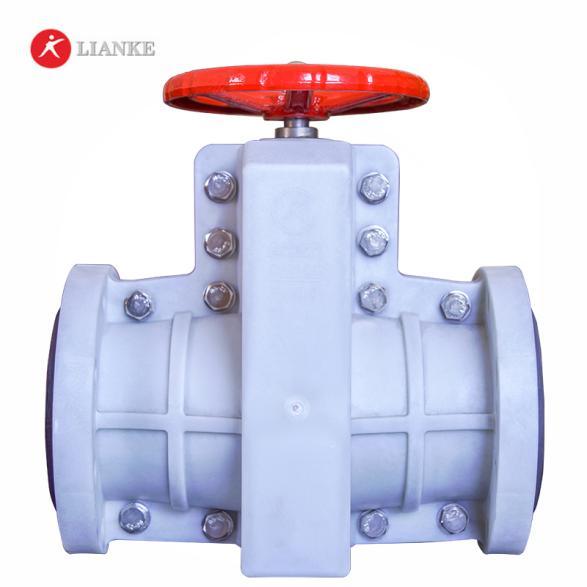
PP pinch valve, as the name suggests, is a pinch valve of PP shell material. The main advantage of this valve is that the valve body is made of pp plastic, so the valve body is lighter and can be installed on the suspended pipe. PP material has the characteristics of acid and alkali resistance […]

Basket strainers are essential pipeline pre-filtration equipment widely used in chemical processing, water treatment, petroleum, food & beverage, pharmaceutical and general manufacturing. Industrial fluid pipelines are critical to stable production, yet process water, oil and chemical media often carry sediment, rust, solid particles and material agglomerates. These tiny contaminants cause pump abrasion, valve blockage, heat exchanger […]
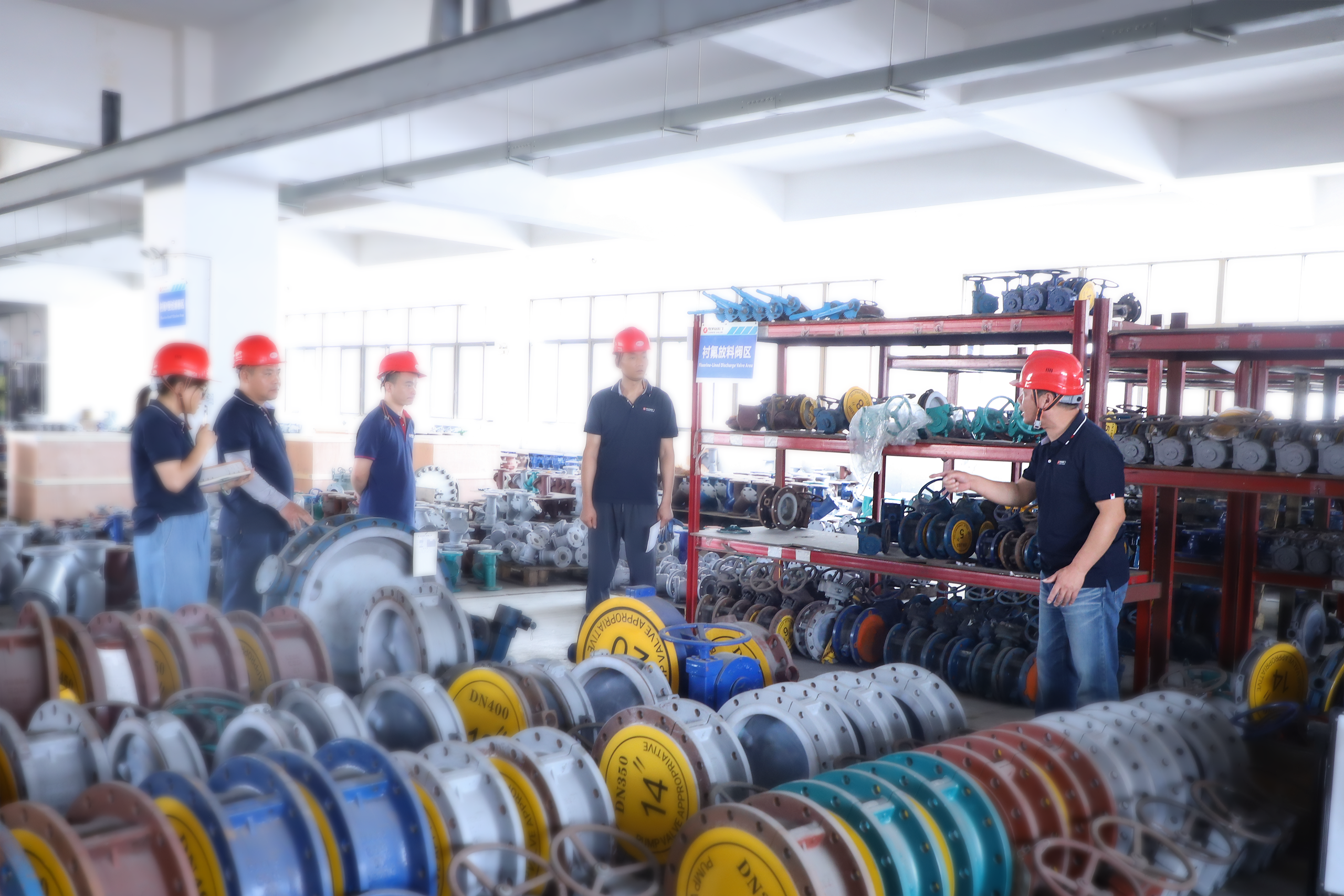
In 2026, Lianke Valve marks the 25th national Work Safety Month. Centered on the theme “Guard the bottom line by addressing minor risks; build safety through rigorous inspection and rectification”, Lianke Valve has fully launched a special work safety campaign. By implementing a full range of activities including thematic briefings, emergency drills and hazard inspections, […]
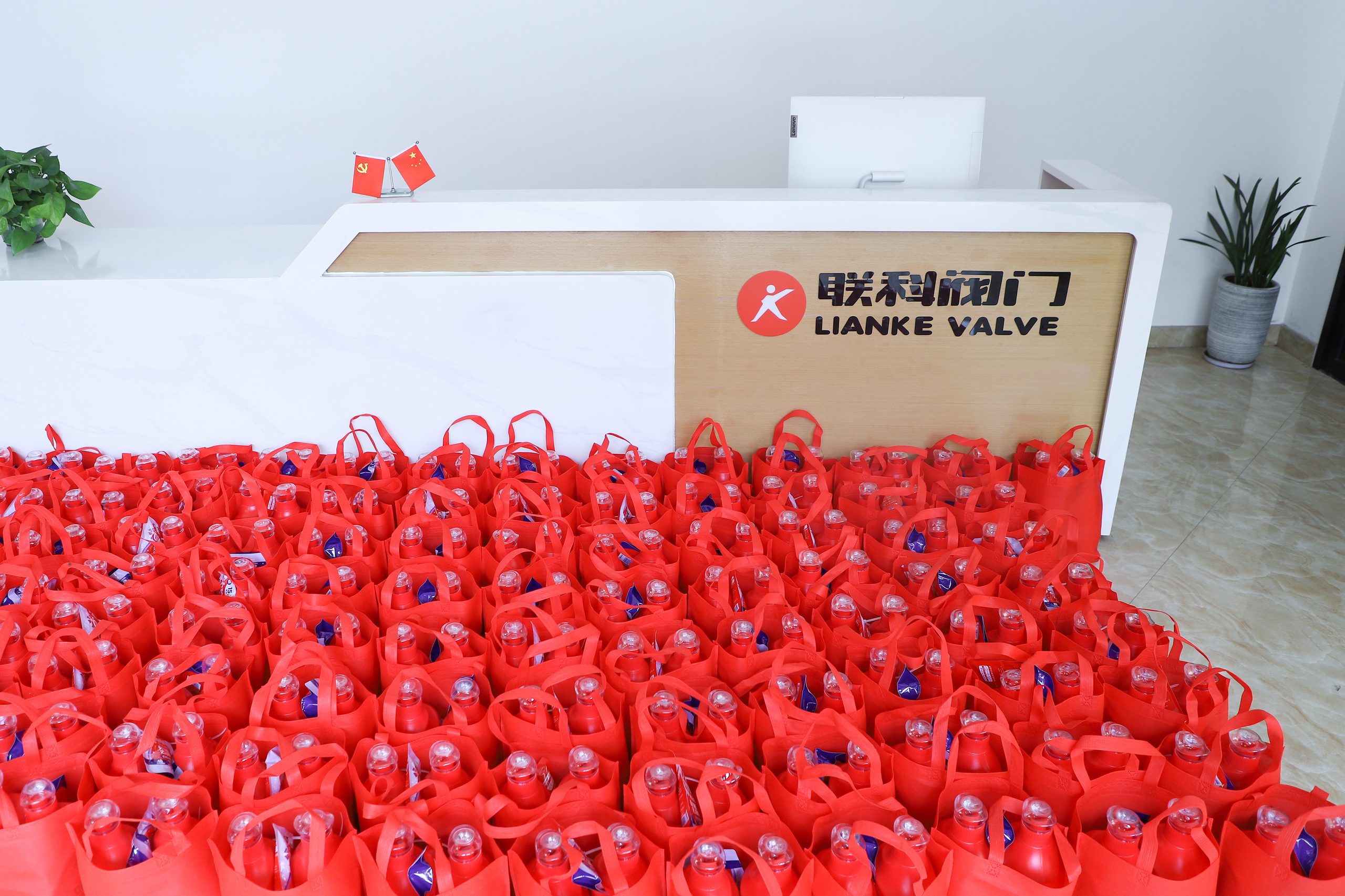
As intense summer heatwaves continue, persistently high temperatures have brought severe challenges to frontline workshop operations. To effectively conduct heatstroke prevention work and protect the physical and mental health of all employees, Lianke has launched the annual Summer Cool Relief employee care campaign. Honoring Dedication with Sincere Care The company has distributed daily-use laundry detergent […]