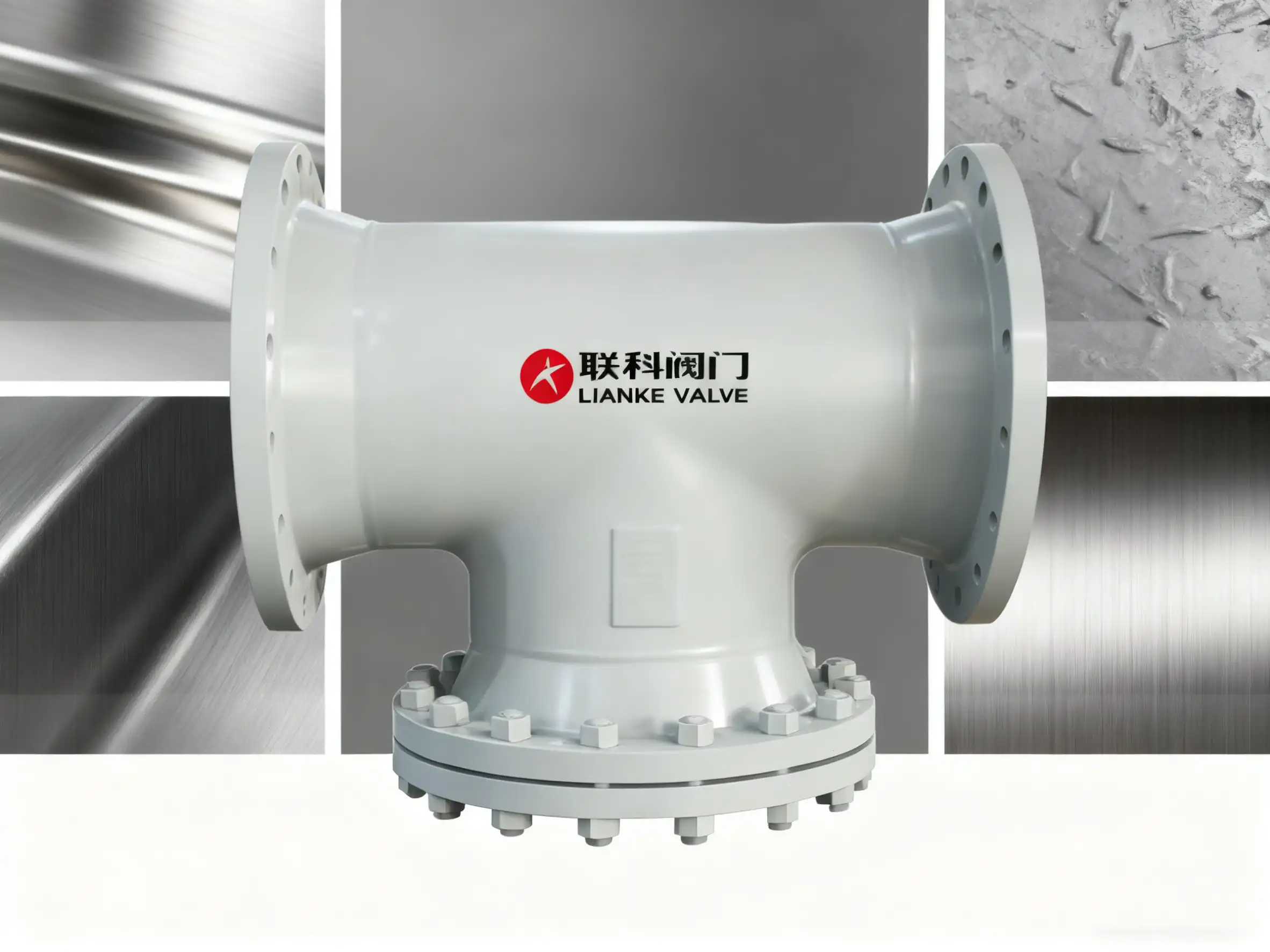
A T type strainer is a reliable equipment used to safeguard steam and high-pressure systems. Filtering out unwanted particles before they reach critical equipment helps maintain stable and efficient operation.
Knowing when to install a T type strainer and how to choose and set it up correctly can make all the difference in preventing costly system failures.
A T strainer is ideal when durable filtration is needed without causing major flow interruptions. In particular:
| Operating Condition | Why a T-Type Strainer Works Best |
| High-pressure pipelines | Its reinforced body and compact design can handle pressure surges without deformation and prevent excessive pressure drops. |
| Steam Systems | It captures unwanted solid particles that could damage equipment. |
| Continuous Operation | Since the screen is accessible without removing the entire unit, it allows inline maintenance with minimal downtime. |
| Tight Space or Horizontal Flow | The “T” shape fits neatly into horizontal runs or compact mechanical rooms. |
Below are some of the most common T strainer selection errors operators can make, as well as what to do about them. It can help you avoid mistakes when choosing T strainers for long-term effectiveness.
| Mistake | Why It Happens | Impact | What To Do |
| Underrating mesh capacity | Misjudged particle size or load in fluid flow | Clogging | Choose mesh size based on actual debris size and flow rate. |
| Too restrictive or too coarse mesh screen size | Selecting an incorrect mesh size | Poor filtration | Choose a mesh size based on system requirements. |
| Wrong end connections | Overlooking compatibility with existing piping standards | Leaks or misalignment | Match the strainer’s connection type and pressure class to the existing pipeline |
| Ignoring flow rate | Skipping flow calculations before selection | Pressure loss or turbulence | Verify values and ensure flow remains within recommended limits |
| Using the wrong material | Neglecting the chemical or temperature compatibility of the fluid with the strainer | Corrosion, permanent failure | Select metals suitable for your fluids (like stainless steel for steam or corrosive fluids) |
| Overlooking the drain plug access | Failing to plan for installation space | Difficult maintenance, downtimes | Plan access space during T type strainer installation. |
Here are some suggestions you can consider:
Stainless steel or carbon steel with high-temperature gaskets is ideal, though it would depend on the system’s specific conditions.
With correct sizing, installation, and maintenance, a high-grade stainless steel T strainer can last up to 10 years or longer.
Yes, but only if the flow conditions, particularly pressure and velocity, are kept within the strainer’s design specifications. 、
Reliable filtration to protect valves and pipelines — Y, T, basket, and duplex types available.
Explore Strainers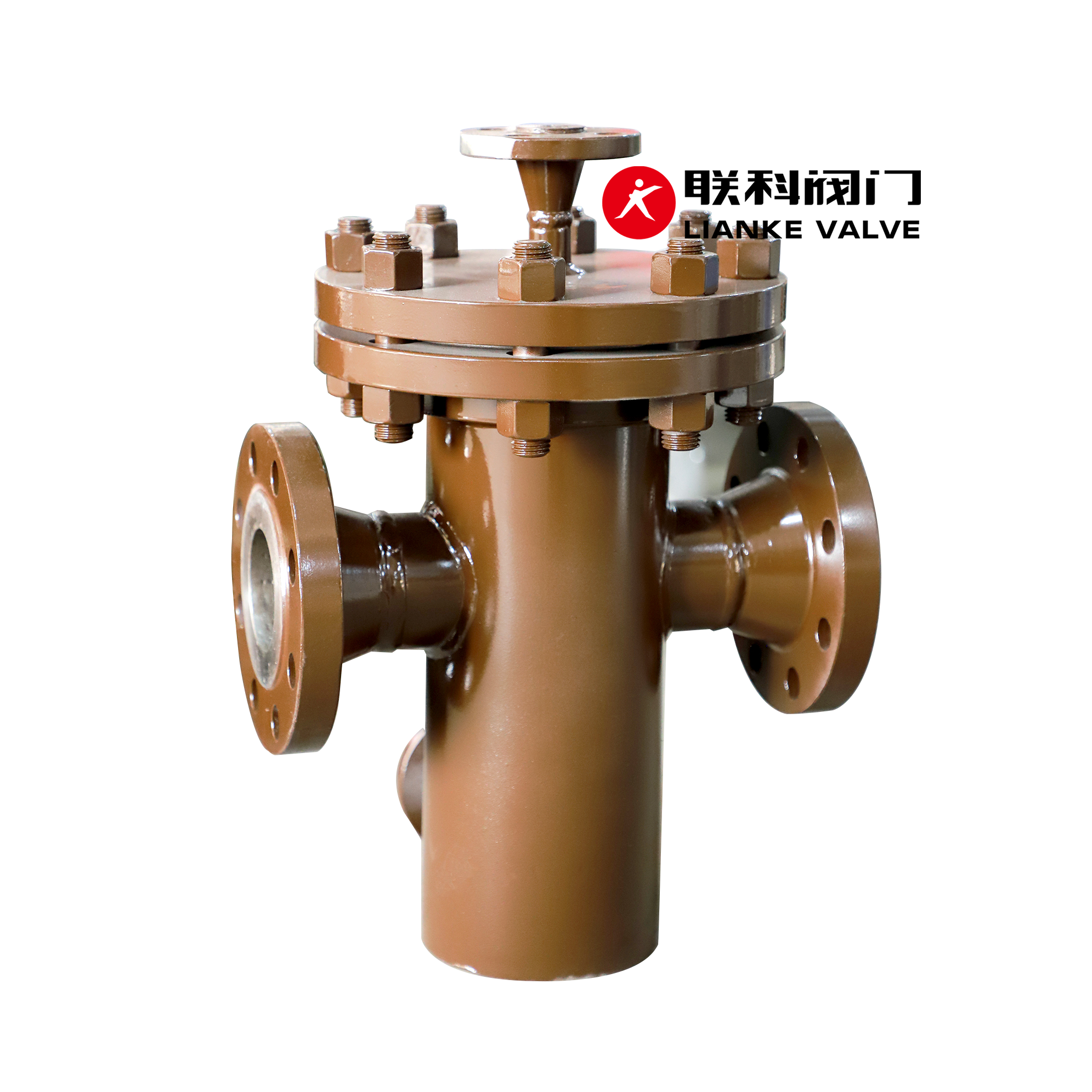
Using a T type strainer can prevent small issues from becoming big headaches in the long run. Understanding various T strainer selection pitfalls and solutions ensures you can make better choices that will fit your specific steam or high-pressure system requirements.
You can upgrade your setup with LIANKE’s wide range of strainers and valves that support diverse industrial needs. Contact us today to learn more about our product lineup.
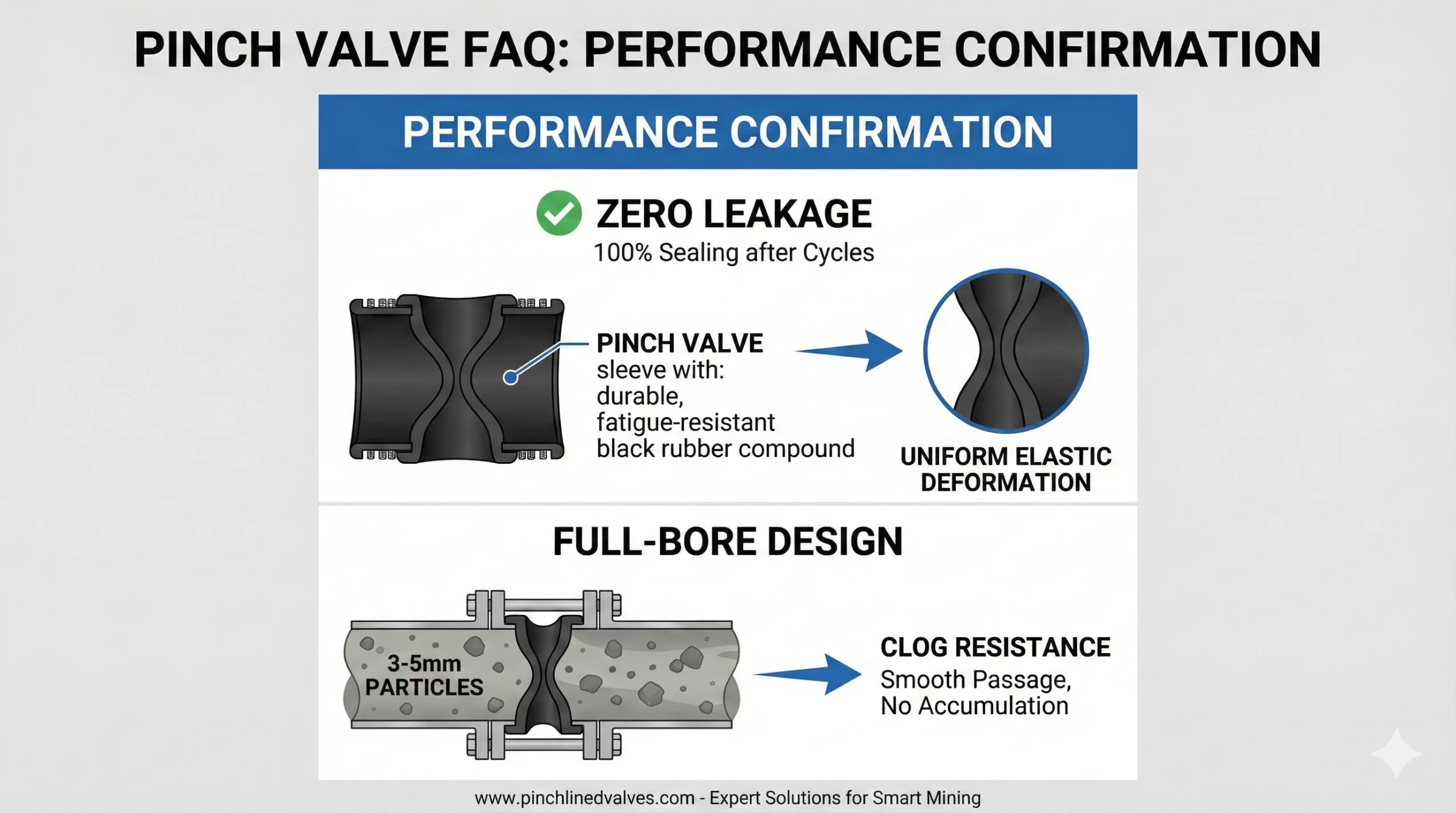
Question 3:Performance Confirmation:Your documentation mentions “zero leakage” and “clog resistance.” We would like to confirm: After long-term operation, will repeated compression cycles cause sleeve fatigue leading to sealing failure? Is the full-bore design truly effective for slurries with larger particles (e.g., 3-5mm)? Answer 3:Confirmation of “Zero Leakage” and “Clog Resistance” Performance (1)Zero Leakage Reliability: Our […]
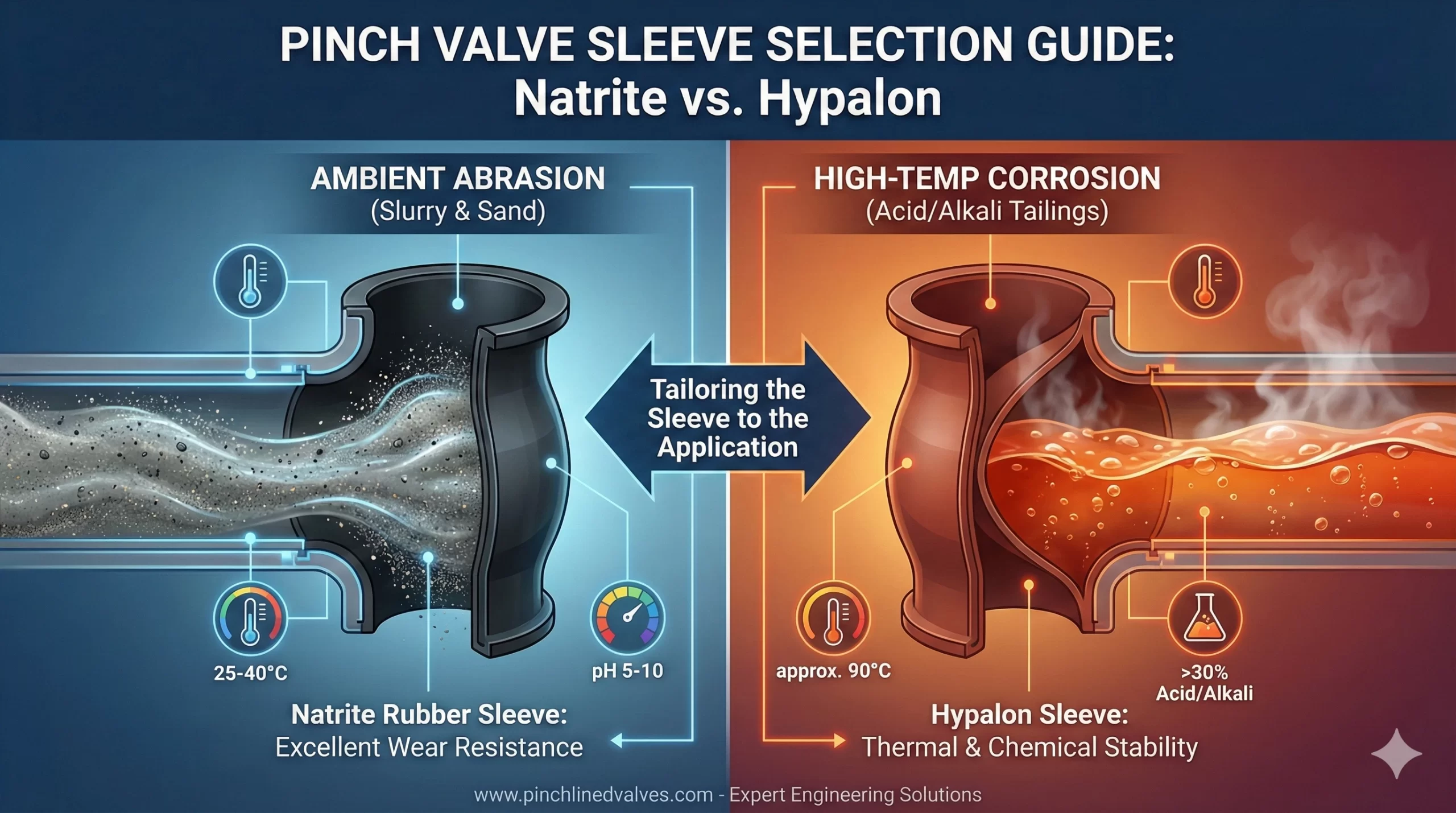
Material Selection:We are dealing with different working conditions: (1)Question1: Condition A: Ambient temperature (approx. 25-40°C) slurry containing fine sand, where wear resistance is the primary consideration, with weakly corrosive media (pH 5-10). Answer1:(ambient temperature, fine sand, low concentration corrosion, high wear resistance): Preferred recommendation: Natrite Rubber sleeve. Reason: The core advantage of Natrite Rubber lies in its […]
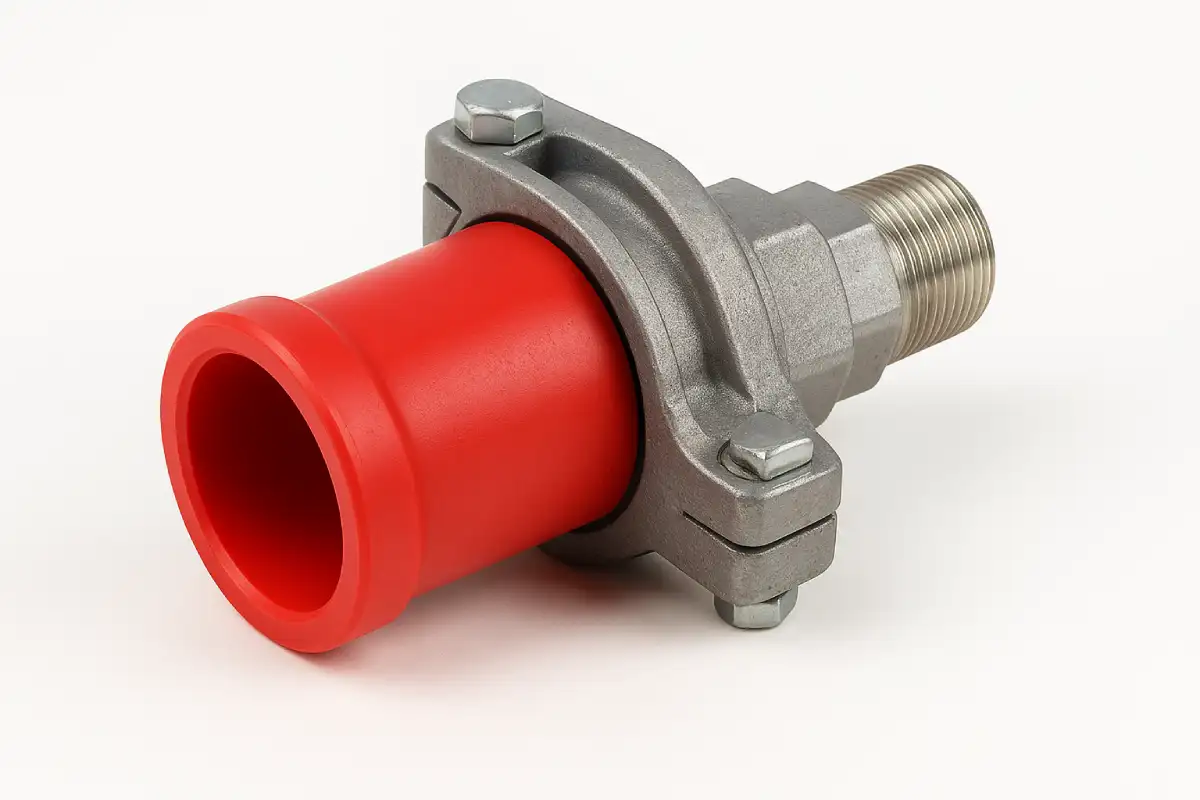
A pinch valve adapter connects a pneumatic pinch valve or manual valve to pipes, tubes, or other parts of a system. With this connector, the valve can manage liquid or gas flow without leaks or strain. It also lets the valve fit in tight or unusual setups. This reduces operational risks and improves overall performance. […]
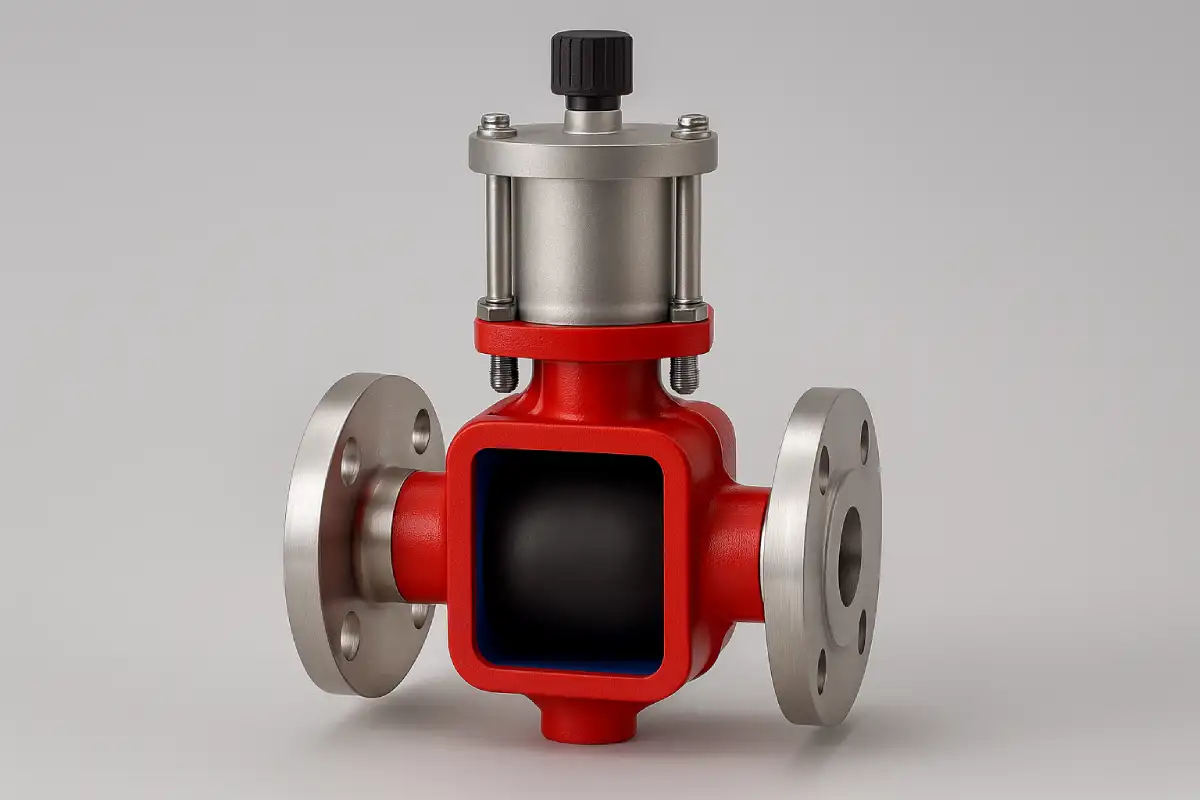
Yes, they are. Hygienic pinch valves are specially designed to keep things clean and safe, which is why they’re so common in food, pharmaceutical, and biotech environments. Their smooth interior and dead-zone-free design make cleaning quick and reliable. And if the term is new to you, don’t worry, this article will walk you through what […]