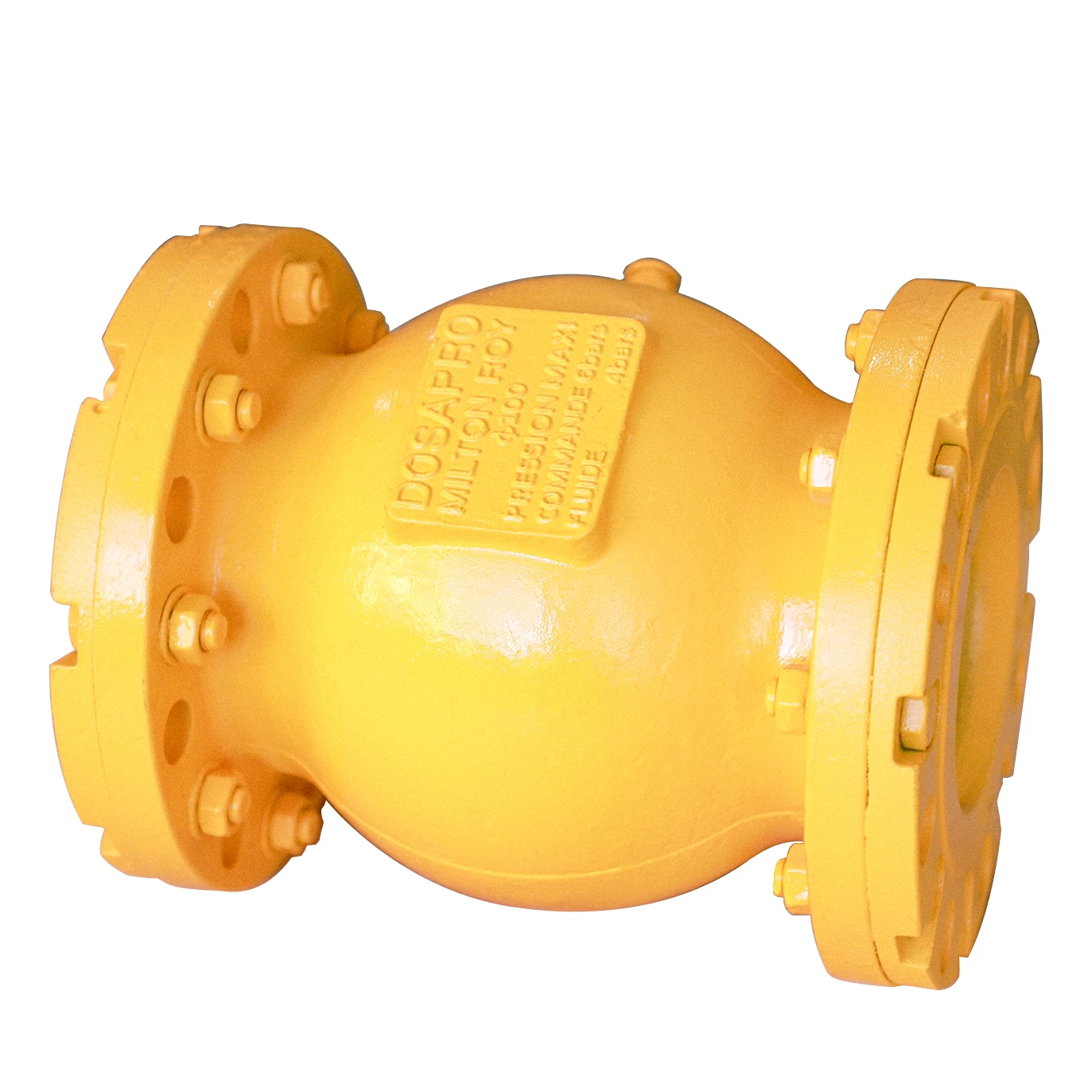
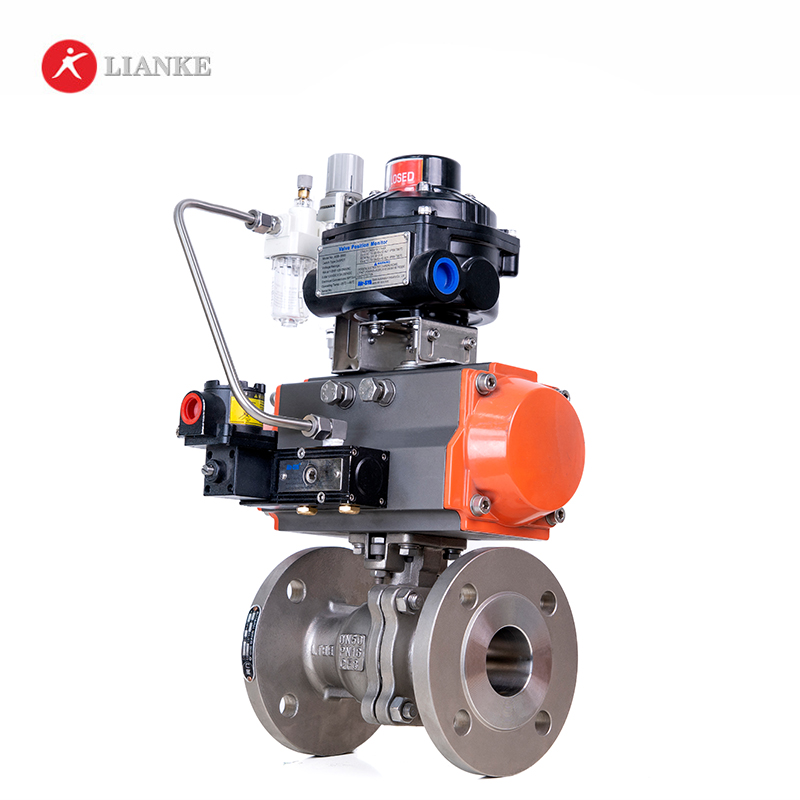
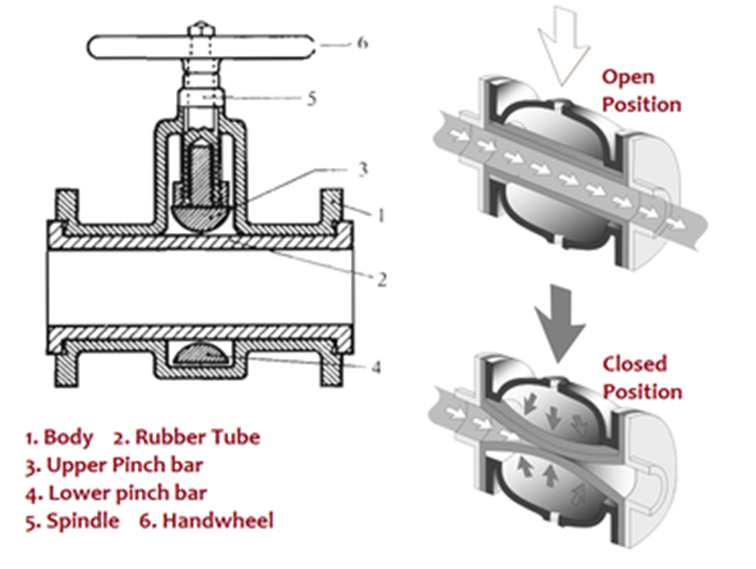
An air pinch valve with flange is a flow-control device that uses compressed air (4–8 bar) to open or close a rubber sleeve, regulating the passage of abrasive, corrosive, or viscous media. The flange connection ensures secure pipeline mounting, complying with standards like DIN EN 1092 or ANSI B16.5. This guide explains its design, materials, and industrial applications without promotional bias.
| Elastomer | Temperature Range | Best For |
| Natural Rubber (NR) | -40°C to +80°C | Abrasive slurries, mining tailings. |
| EPDM | -30°C to +150°C | Steam, acids (pH 3–12). |
| Viton (FKM) | -20°C to +200°C | Oils, solvents, chlorinated chemicals. |
| NBR | -30°C to +100°C | Fuels, oils, non-polar fluids. |
| Standard | Pressure Rating | Common Use Cases |
| DIN EN 1092 (PN10/16) | 10–16 bar | European water treatment, chemical plants. |
| ANSI B16.5 (150#) | 19.6 bar | U.S. oil/gas, high-pressure slurry systems. |
| Feature | Pinch Valve | Gate Valve | Ball Valve |
| Clogging Risk | None (full bore) | High (gate grooves) | Moderate (ball cavity) |
| Maintenance | Replace sleeve only | Stem/packing repairs | Seat/ball replacement |
| Abrasion Resistance | High (sleeve absorbs wear) | Low (metal parts wear) | Moderate |
Q: How long do air pinch valve sleeves last?
A: 1–5 years, depending on abrasion and chemical exposure. Mining slurries wear sleeves faster than water.
Q: Can air pinch valve sleeve handle high temperatures?
A: Yes. EPDM sleeves withstand +150°C; Viton handles +200°C.
Q: What’s the maximum pressure rating for air pinch valve?
A: DN25–DN150: 6 bar; DN200: 4 bar; DN250–DN450: 3 bar.
Q: Can air pinch valve work with viscous fluids?
A: Yes. Full-bore design prevents clogging in adhesives or sludge.
Air pinch valves with flanges offer reliable flow control in harsh environments, with minimal maintenance and no flow obstruction. Selecting the right sleeve material and flange standard ensures longevity in applications from mining to food processing.
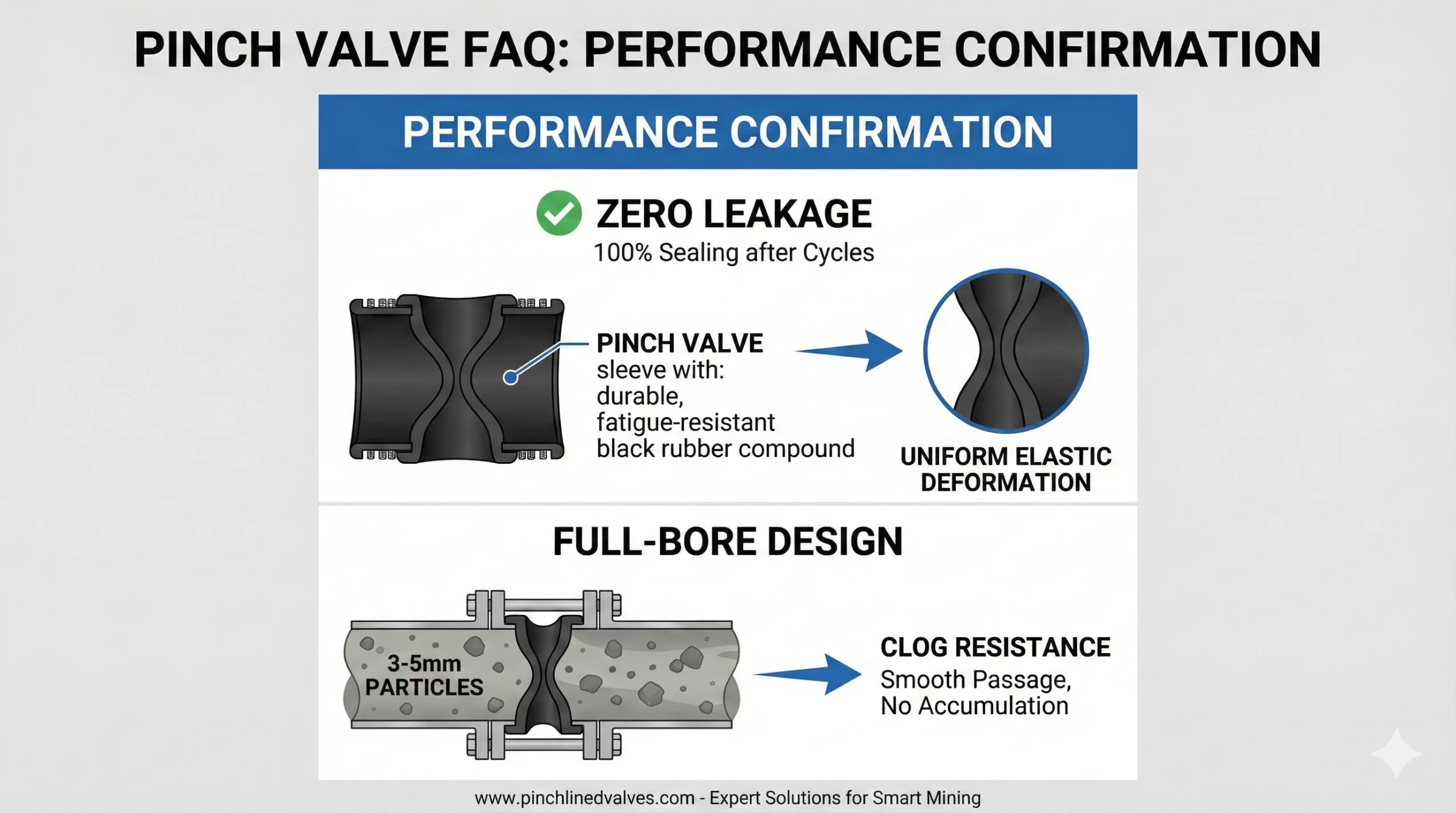
Question 3:Performance Confirmation:Your documentation mentions “zero leakage” and “clog resistance.” We would like to confirm: After long-term operation, will repeated compression cycles cause sleeve fatigue leading to sealing failure? Is the full-bore design truly effective for slurries with larger particles (e.g., 3-5mm)? Answer 3:Confirmation of “Zero Leakage” and “Clog Resistance” Performance (1)Zero Leakage Reliability: Our […]
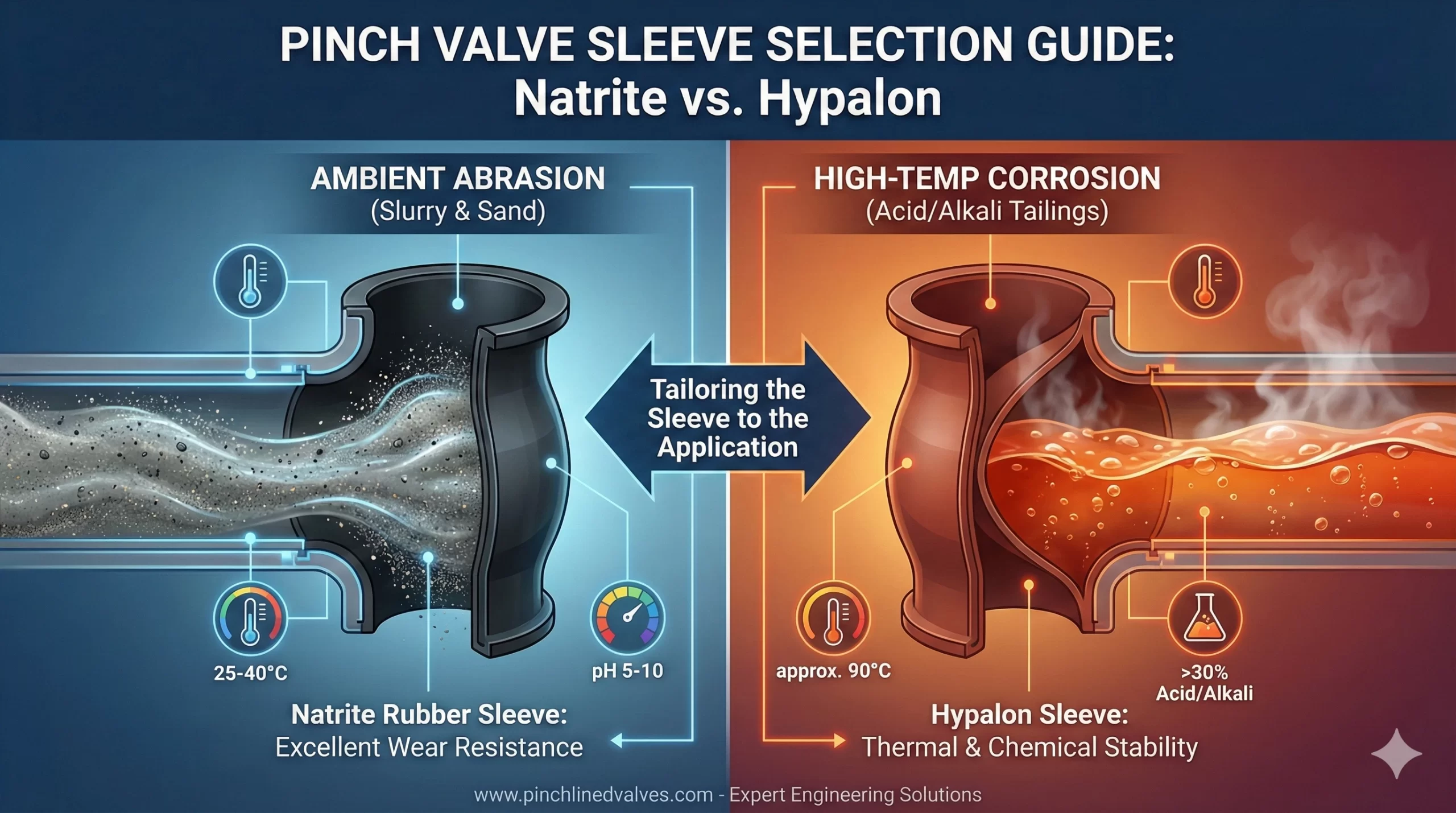
Material Selection:We are dealing with different working conditions: (1)Question1: Condition A: Ambient temperature (approx. 25-40°C) slurry containing fine sand, where wear resistance is the primary consideration, with weakly corrosive media (pH 5-10). Answer1:(ambient temperature, fine sand, low concentration corrosion, high wear resistance): Preferred recommendation: Natrite Rubber sleeve. Reason: The core advantage of Natrite Rubber lies in its […]
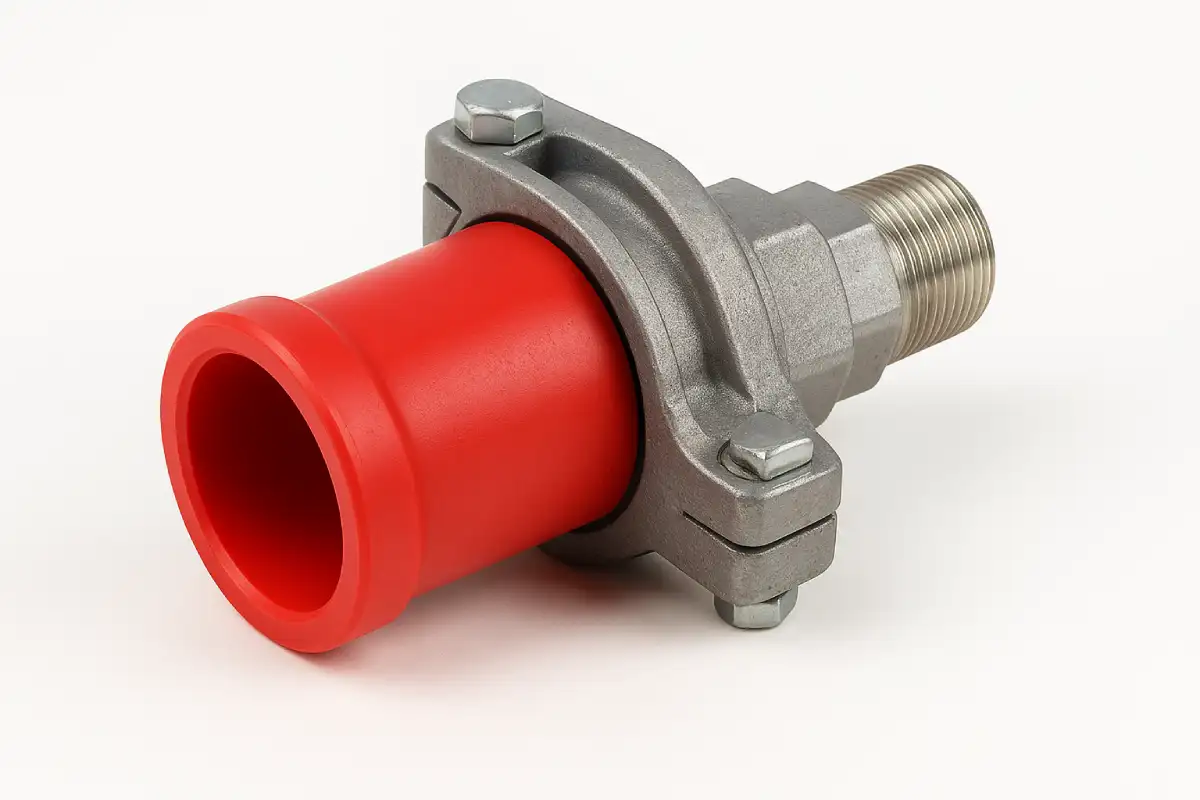
A pinch valve adapter connects a pneumatic pinch valve or manual valve to pipes, tubes, or other parts of a system. With this connector, the valve can manage liquid or gas flow without leaks or strain. It also lets the valve fit in tight or unusual setups. This reduces operational risks and improves overall performance. […]
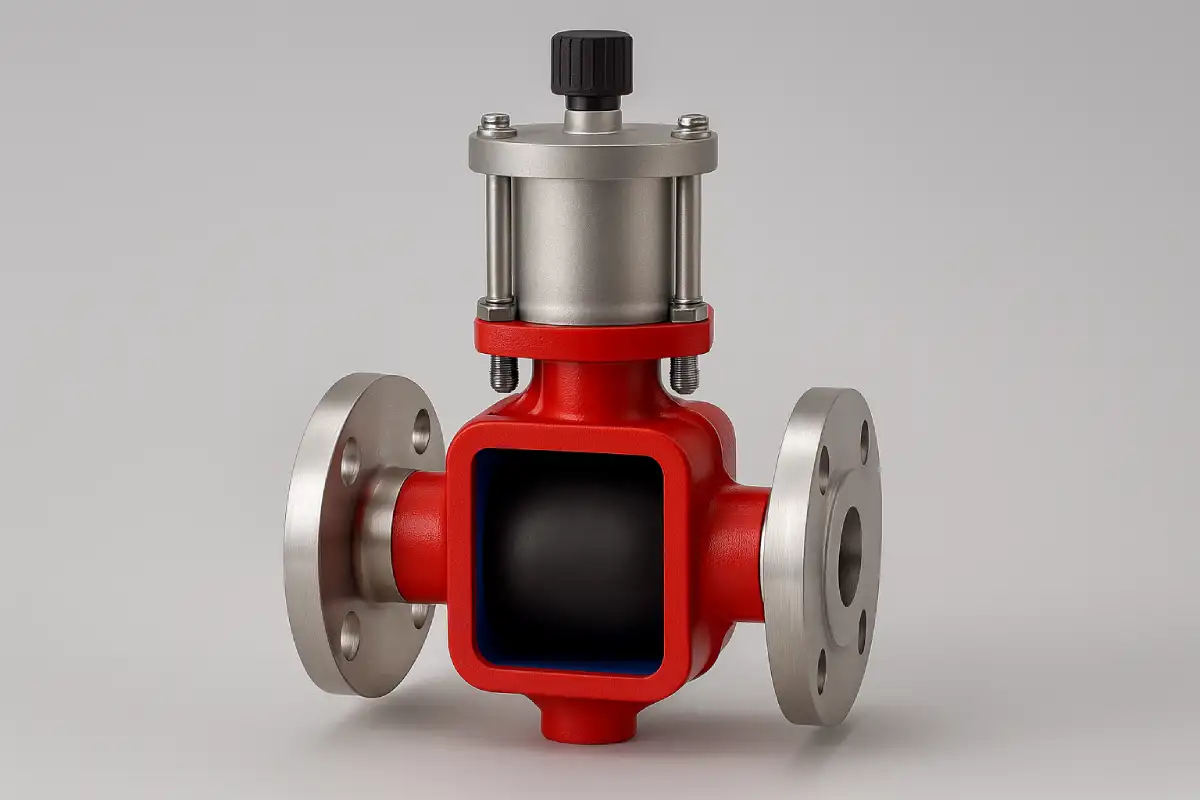
Yes, they are. Hygienic pinch valves are specially designed to keep things clean and safe, which is why they’re so common in food, pharmaceutical, and biotech environments. Their smooth interior and dead-zone-free design make cleaning quick and reliable. And if the term is new to you, don’t worry, this article will walk you through what […]