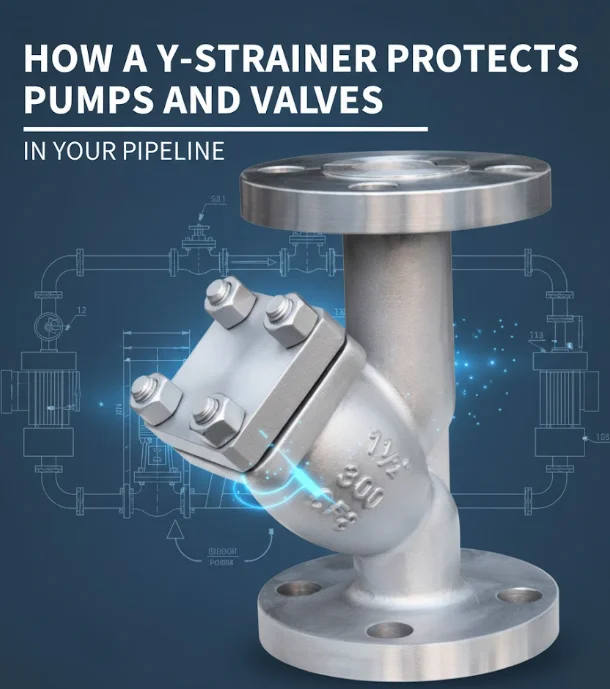
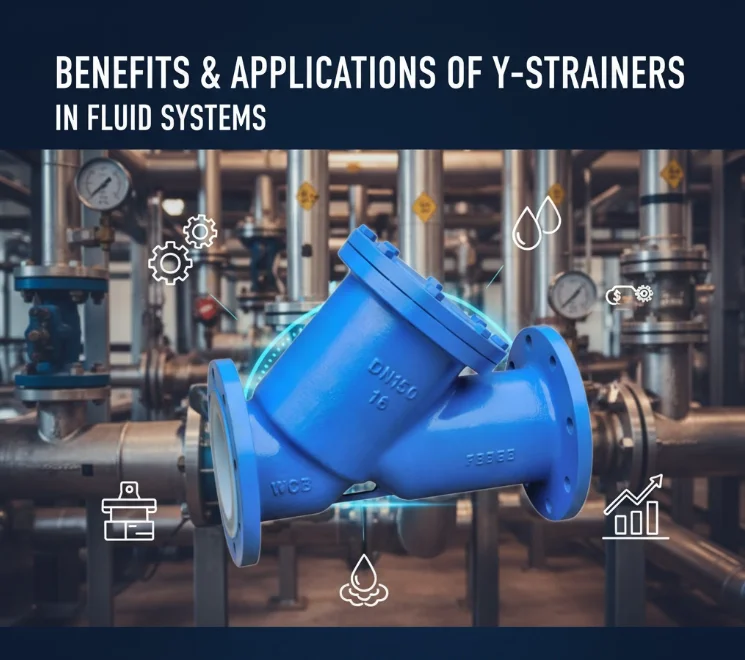
A Y strainer filter acts like a silent worker that keeps your pipeline clean and debris-free. It traps unwanted particles and prevents damage to your system. To understand how it can benefit your pipeline, here’s a quick guide on how its components function as well as proper maintenance for long-term use.
The strainer is named because of its body, which is shaped like a “Y”. It functions by forcing fluids through a mesh (the most common type) or a perforated metal screen, which then captures any debris before it can damage other system parts like valves, pumps, or turbines.
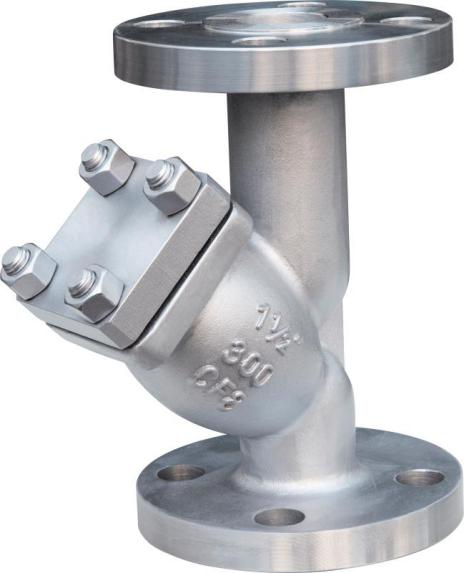
Here’s a more detailed description of how Y strainers filter debris in pipelines:
The following parts of a Y strainer work together to keep your pipelines protected:
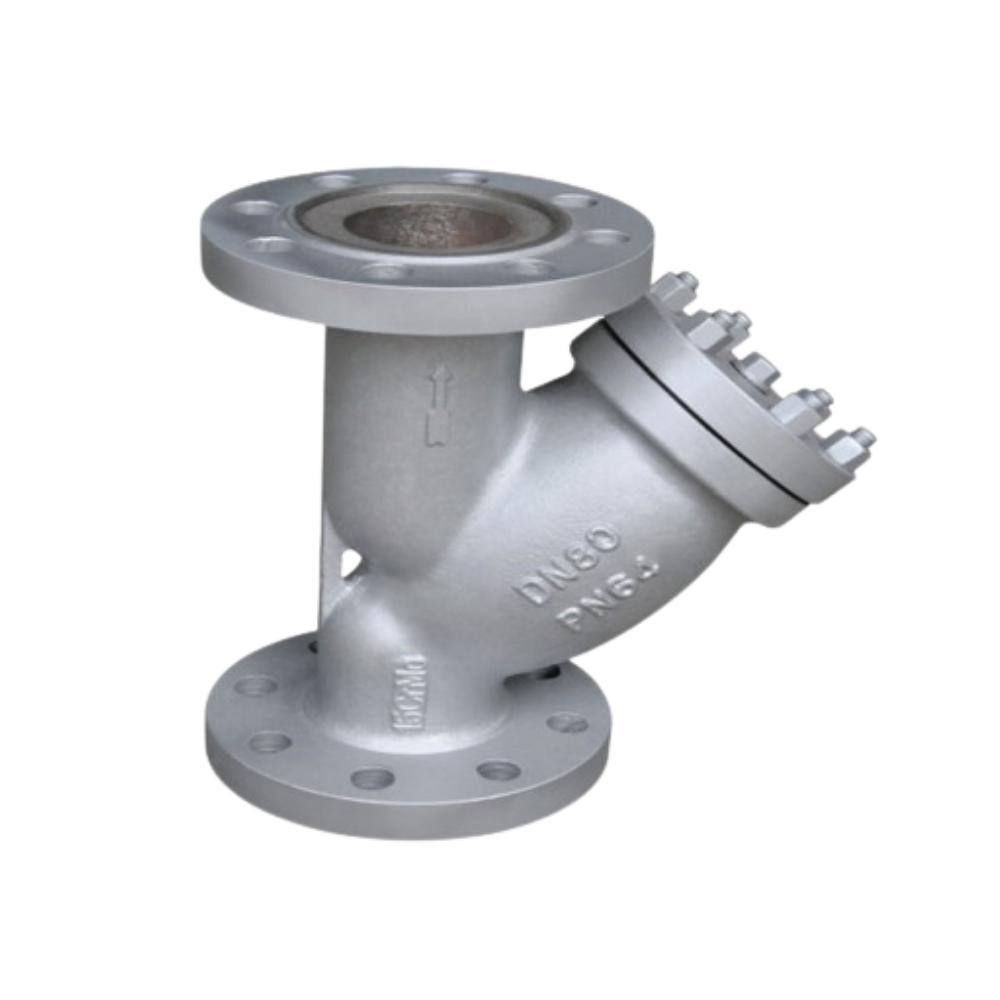
Any buildup over time may increase pressure loss and reduce system efficiency. That’s why proper maintenance is needed to ensure that the strainer continues to perform well.
Here are some tips to keep yours running smoothly:
Yes. With the correct material and pressure rating, they can work with steam, gas, or liquids.
Consider the type and size of debris you need to capture. If the mesh is too small, it may lead to clogging. If it’s too big, then it would let unwanted particles through.
They’re commonly made from stainless steel, carbon steel, or iron.
A Y strainer filter is a useful tool for protecting components and extending equipment life.
If you’re ready to upgrade your pipeline protection, LIANKE offers efficient products like Y strainers and valves to keep your systems working at their best. Contact us today to check our lineup or for a quote for your next project.
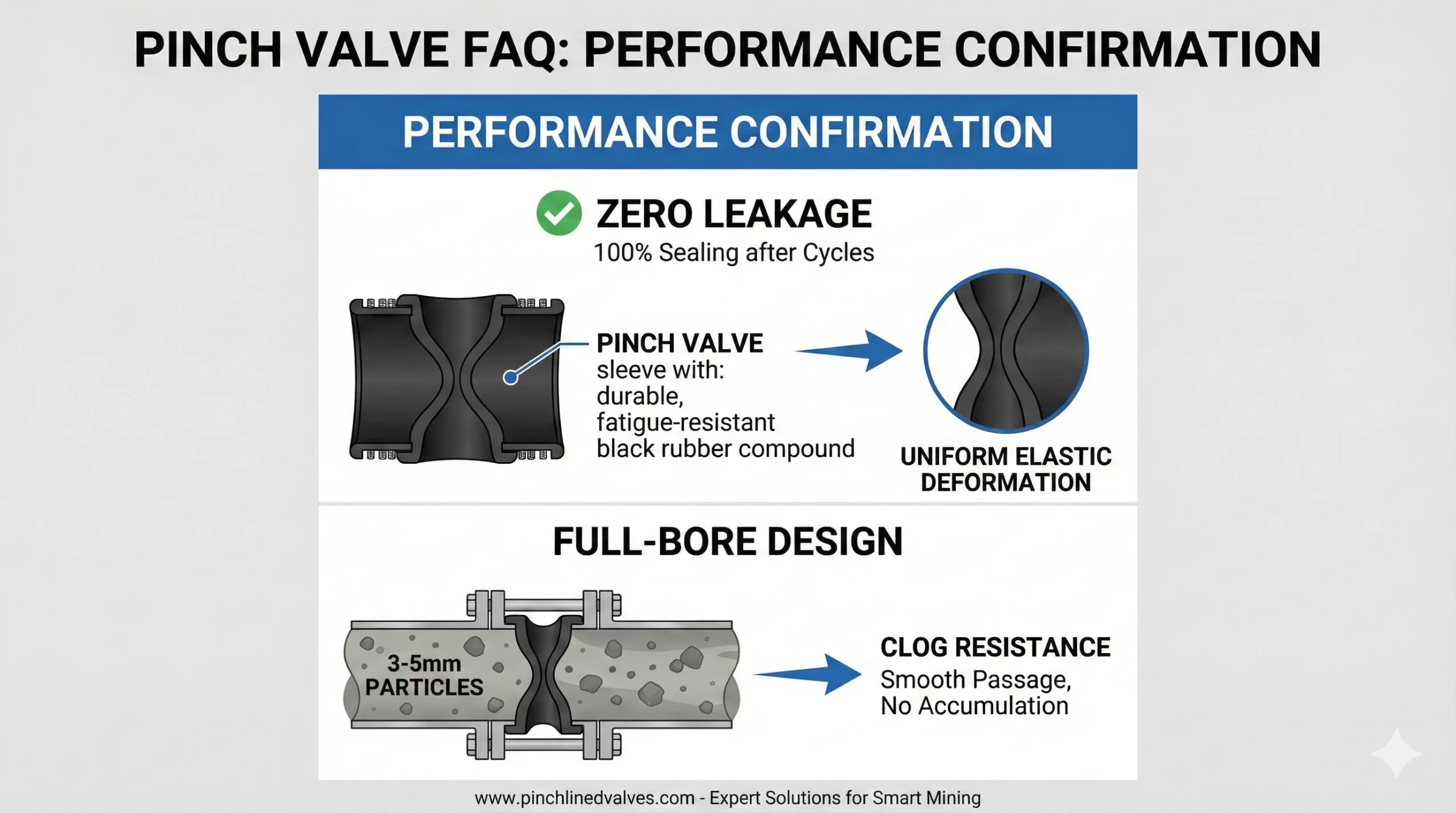
Question 3:Performance Confirmation:Your documentation mentions “zero leakage” and “clog resistance.” We would like to confirm: After long-term operation, will repeated compression cycles cause sleeve fatigue leading to sealing failure? Is the full-bore design truly effective for slurries with larger particles (e.g., 3-5mm)? Answer 3:Confirmation of “Zero Leakage” and “Clog Resistance” Performance (1)Zero Leakage Reliability: Our […]
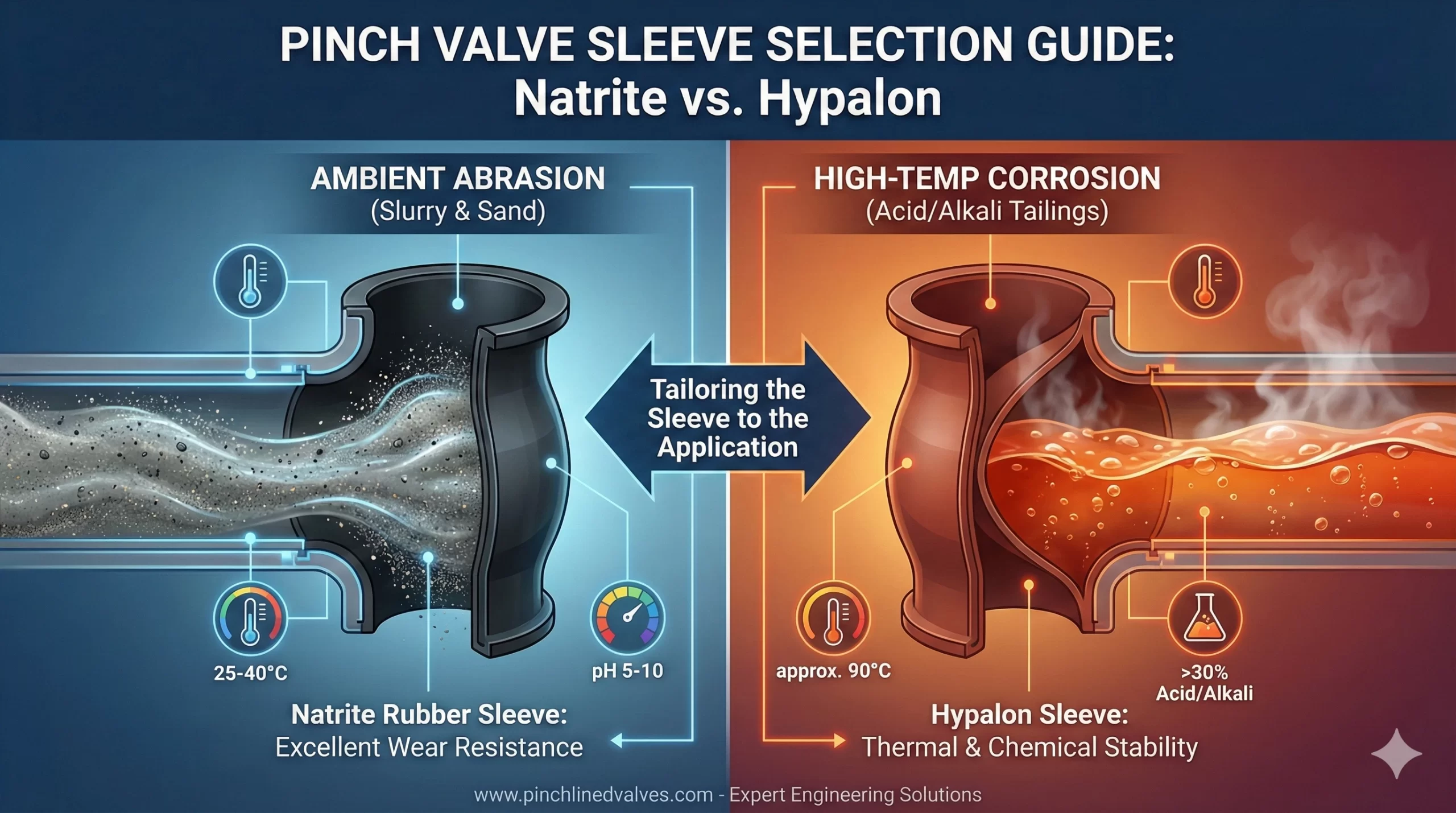
Material Selection:We are dealing with different working conditions: (1)Question1: Condition A: Ambient temperature (approx. 25-40°C) slurry containing fine sand, where wear resistance is the primary consideration, with weakly corrosive media (pH 5-10). Answer1:(ambient temperature, fine sand, low concentration corrosion, high wear resistance): Preferred recommendation: Natrite Rubber sleeve. Reason: The core advantage of Natrite Rubber lies in its […]
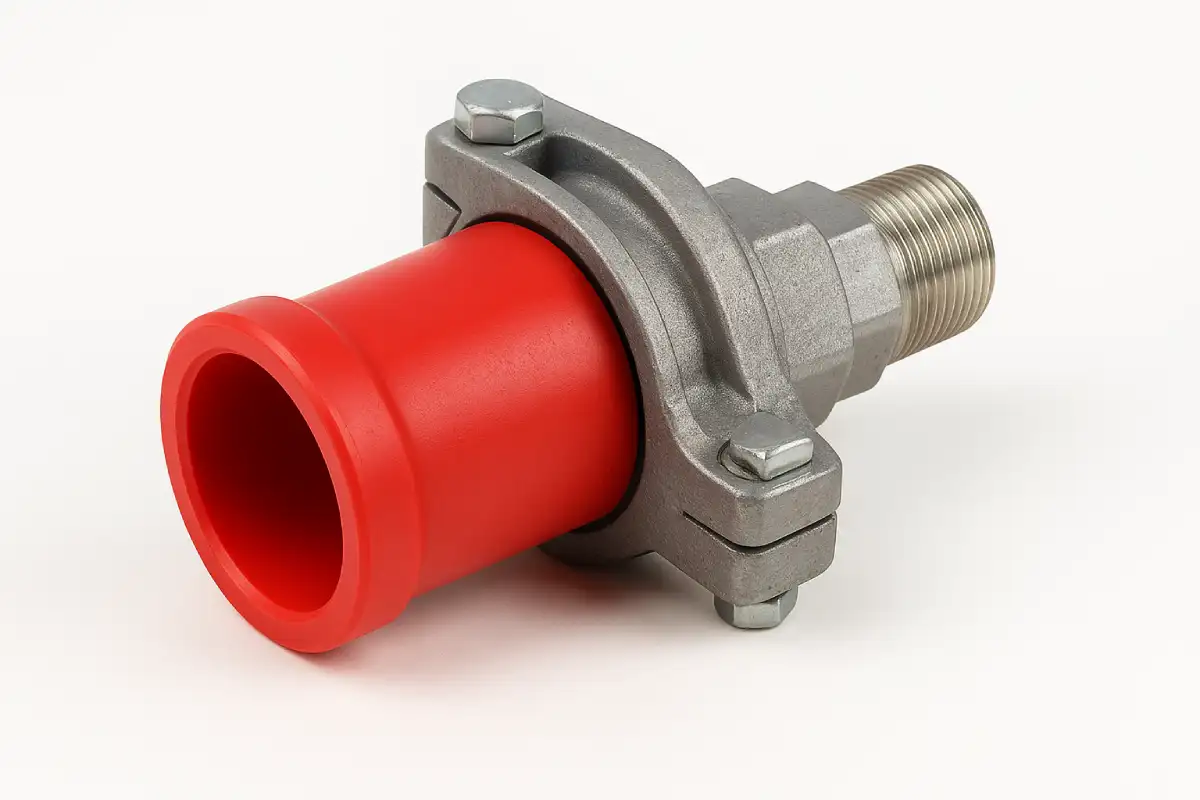
A pinch valve adapter connects a pneumatic pinch valve or manual valve to pipes, tubes, or other parts of a system. With this connector, the valve can manage liquid or gas flow without leaks or strain. It also lets the valve fit in tight or unusual setups. This reduces operational risks and improves overall performance. […]
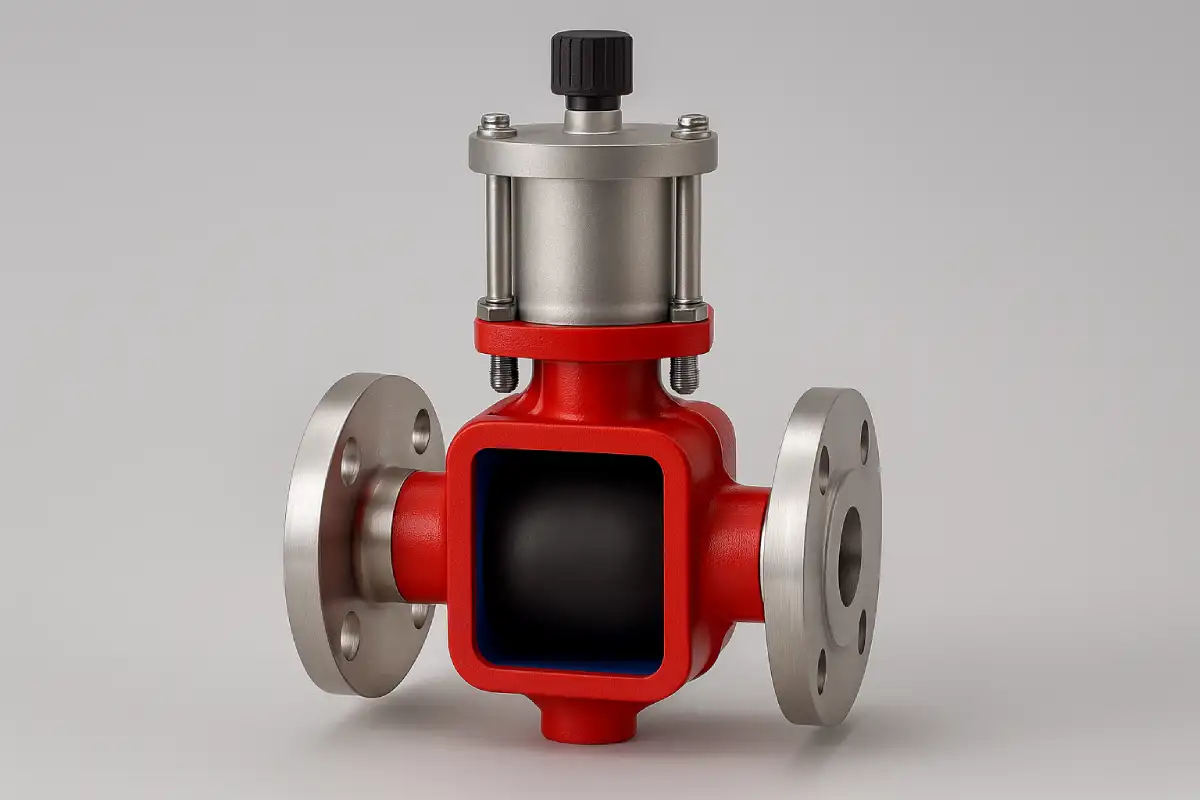
Yes, they are. Hygienic pinch valves are specially designed to keep things clean and safe, which is why they’re so common in food, pharmaceutical, and biotech environments. Their smooth interior and dead-zone-free design make cleaning quick and reliable. And if the term is new to you, don’t worry, this article will walk you through what […]