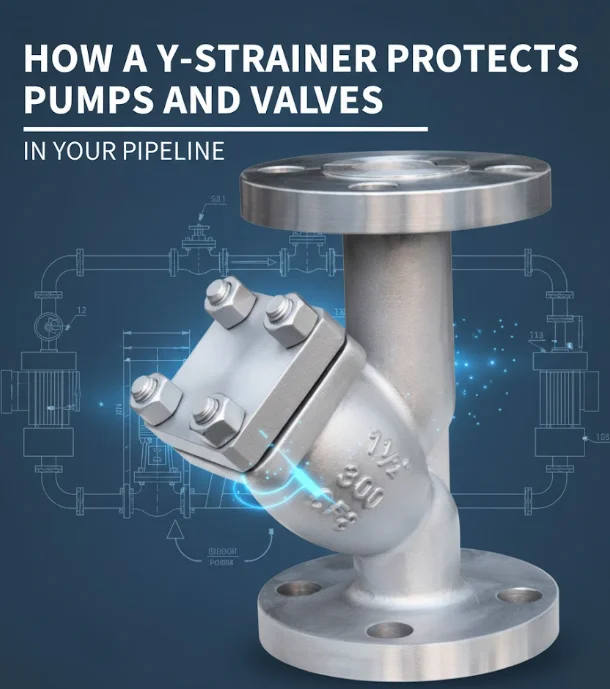
The Y type strainer is an important component in any pipeline system. It keeps the system running smoothly by catching debris before it causes problems. Below, we’ll look at what this strainer is, its effectiveness, and how to choose the right one for your setup.
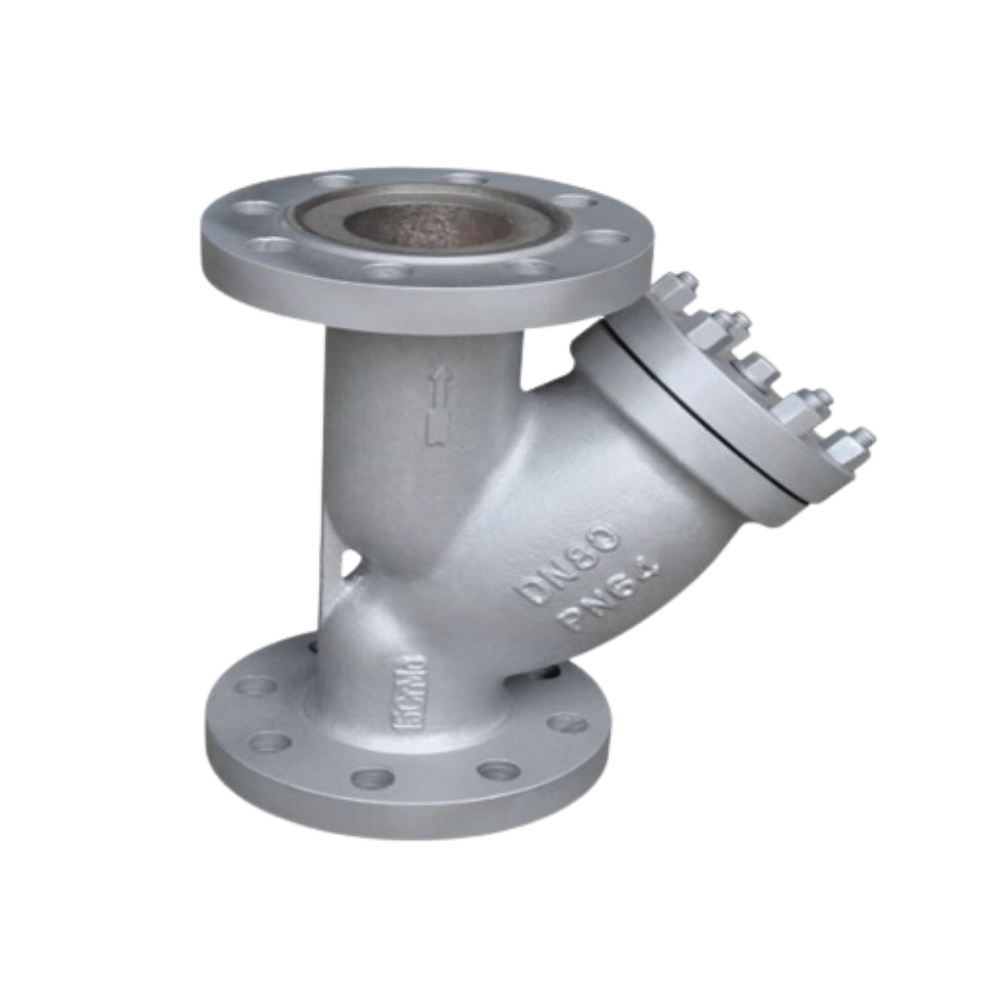
A Y type strainer is a filter shaped like the letter “Y” that is designed to capture or filter out unwanted solid particles from your liquid, gas, or steam pipelines.
As the flow passes through the body, the mesh screen inside it collects debris larger than the mesh size. This helps protect downstream equipment and keeps your operations smooth.
The material and construction method determine how well your strainer performs. Here are common material types that Y strainers are made of:
| Material Type | Best For | Benefits |
| Stainless Steel Y Type Strainer | Corrosive or acidic fluids and chemicals | Exceptional heat and corrosion resistance |
| Carbon Steel Y Type Strainer | Oil and gas applications | Durable, pressure-tolerant, and resistant to thermal shock |
| Iron Y Type Strainer | Water systems, general use involving low pressures and temperatures | Popular choice due to affordability and resilience |
What is a casting Y-type strainer? If you’ve heard about this and wondered what it is, the word “casting” refers to the process of making this strainer, not a material. The casting process involves pouring molten metal (iron, carbon steel, or stainless steel) into a mold and allowing it to solidify into the desired shape.
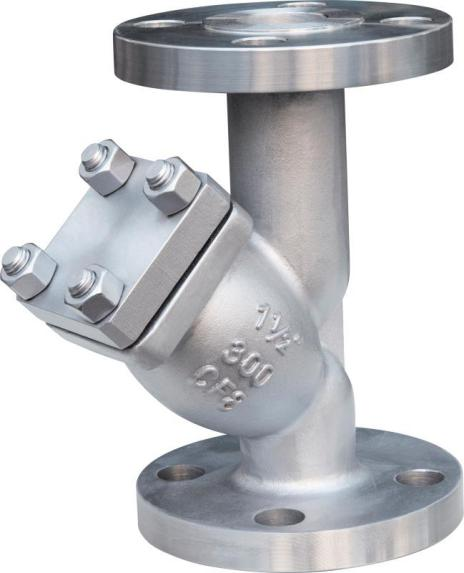
Connecting the strainer to the pipelines can impact both its performance and servicing convenience. The right choice among the three below depends on pipeline size, pressure rating, or how frequently you need to clean the strainer:
Aside from the material and connection types, you can also consider the points below to guide your decision and get the best value for your system:
For high-debris systems, cleaning should be done every few weeks. Otherwise, it should be done every few months.
Yes, if they are made from high-grade stainless steel like chrome-moly or alloy.
Yes. Always check the arrow on the body before installation to avoid mistakes that can lead to poor filtration.
Selecting the right Y Type Strainer is essential to help keep your operations running smoothly. Always consider the material, connection types, price, and system requirements to prevent damage and downtime.
Our company, LIANKE, offers a wide range of products, including strainers. Contact our experts today for more information or a quote.
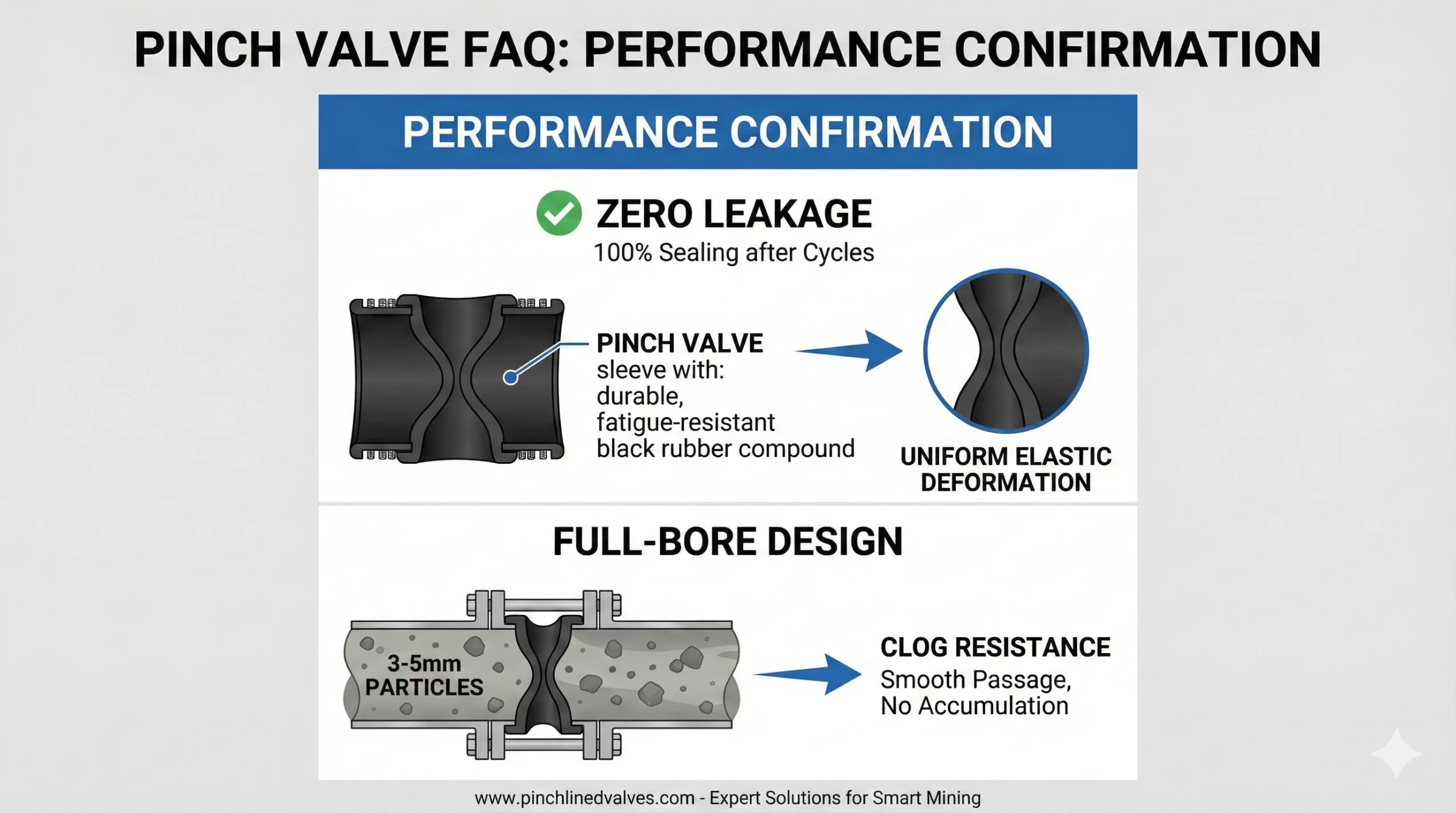
Question 3:Performance Confirmation:Your documentation mentions “zero leakage” and “clog resistance.” We would like to confirm: After long-term operation, will repeated compression cycles cause sleeve fatigue leading to sealing failure? Is the full-bore design truly effective for slurries with larger particles (e.g., 3-5mm)? Answer 3:Confirmation of “Zero Leakage” and “Clog Resistance” Performance (1)Zero Leakage Reliability: Our […]
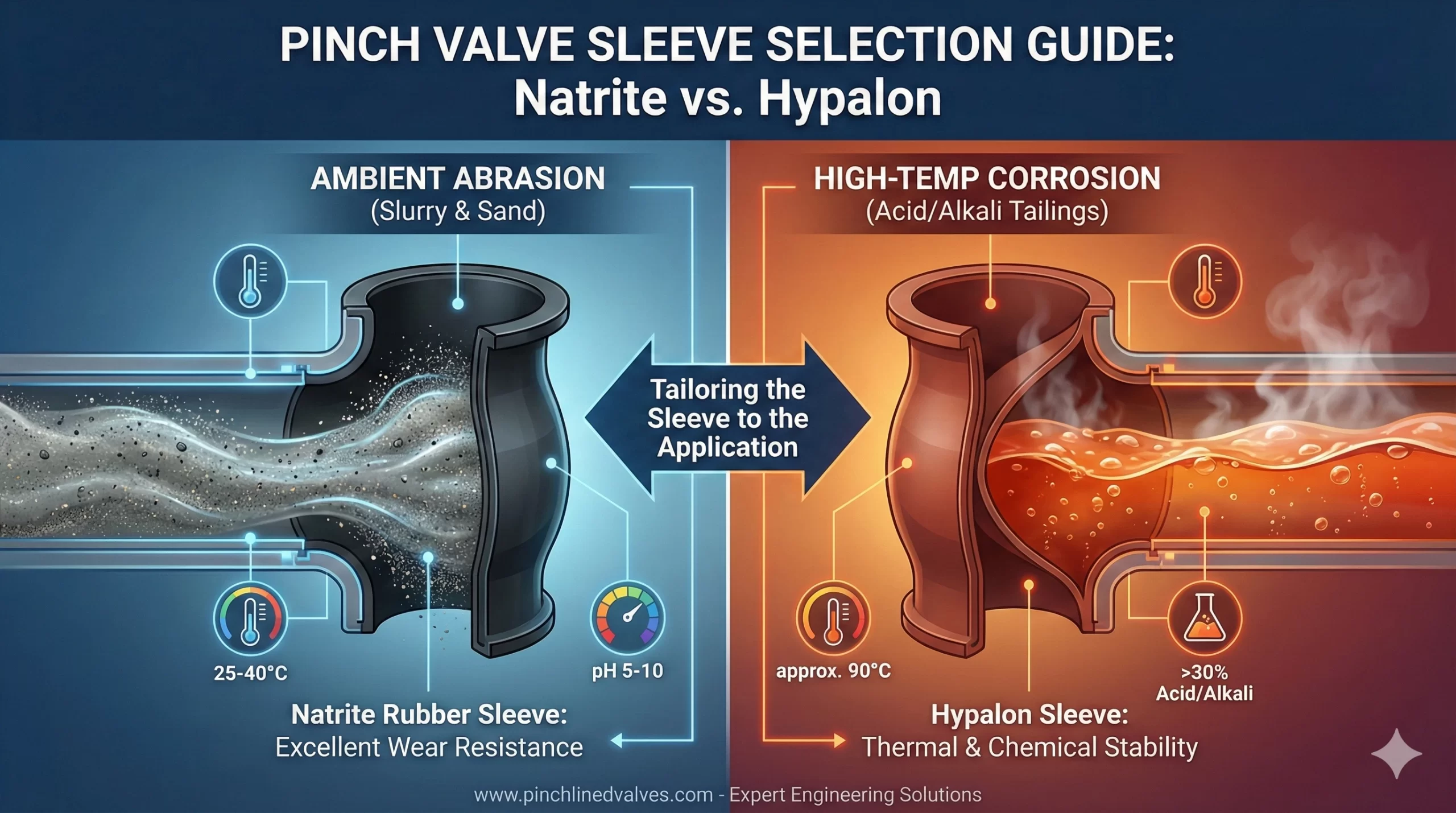
Material Selection:We are dealing with different working conditions: (1)Question1: Condition A: Ambient temperature (approx. 25-40°C) slurry containing fine sand, where wear resistance is the primary consideration, with weakly corrosive media (pH 5-10). Answer1:(ambient temperature, fine sand, low concentration corrosion, high wear resistance): Preferred recommendation: Natrite Rubber sleeve. Reason: The core advantage of Natrite Rubber lies in its […]
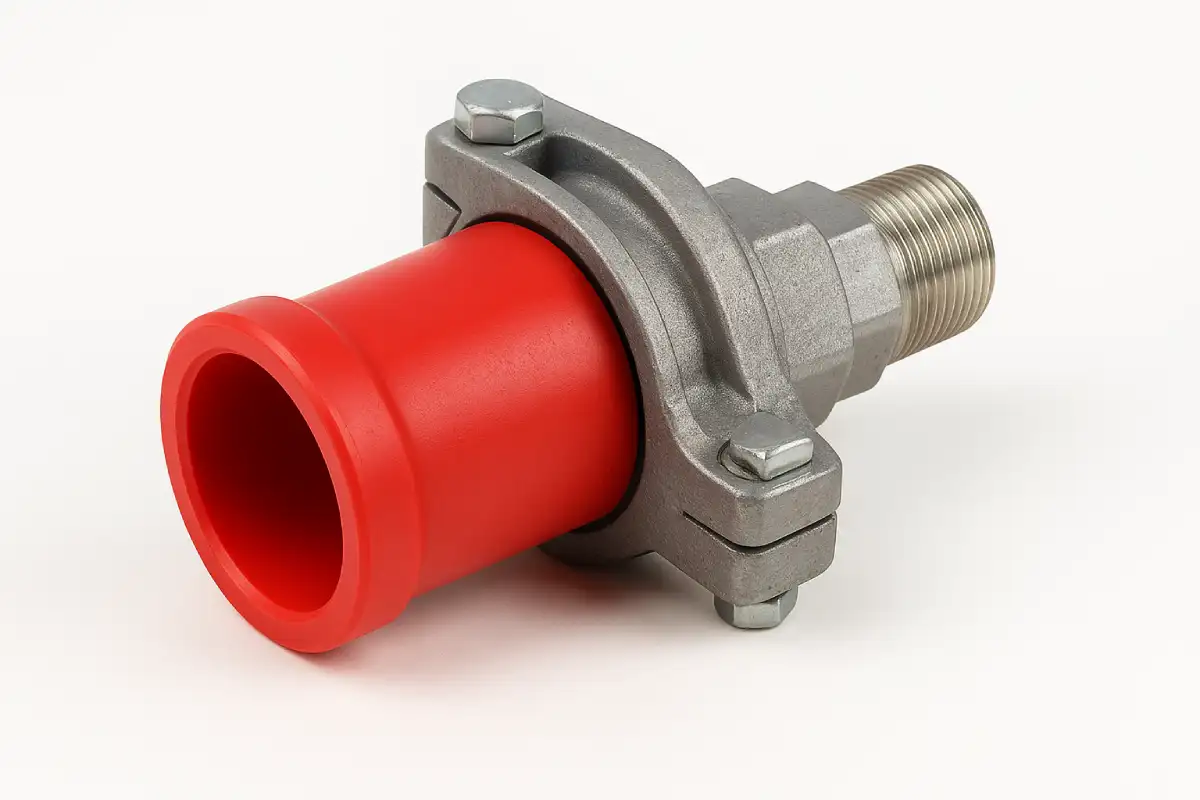
A pinch valve adapter connects a pneumatic pinch valve or manual valve to pipes, tubes, or other parts of a system. With this connector, the valve can manage liquid or gas flow without leaks or strain. It also lets the valve fit in tight or unusual setups. This reduces operational risks and improves overall performance. […]
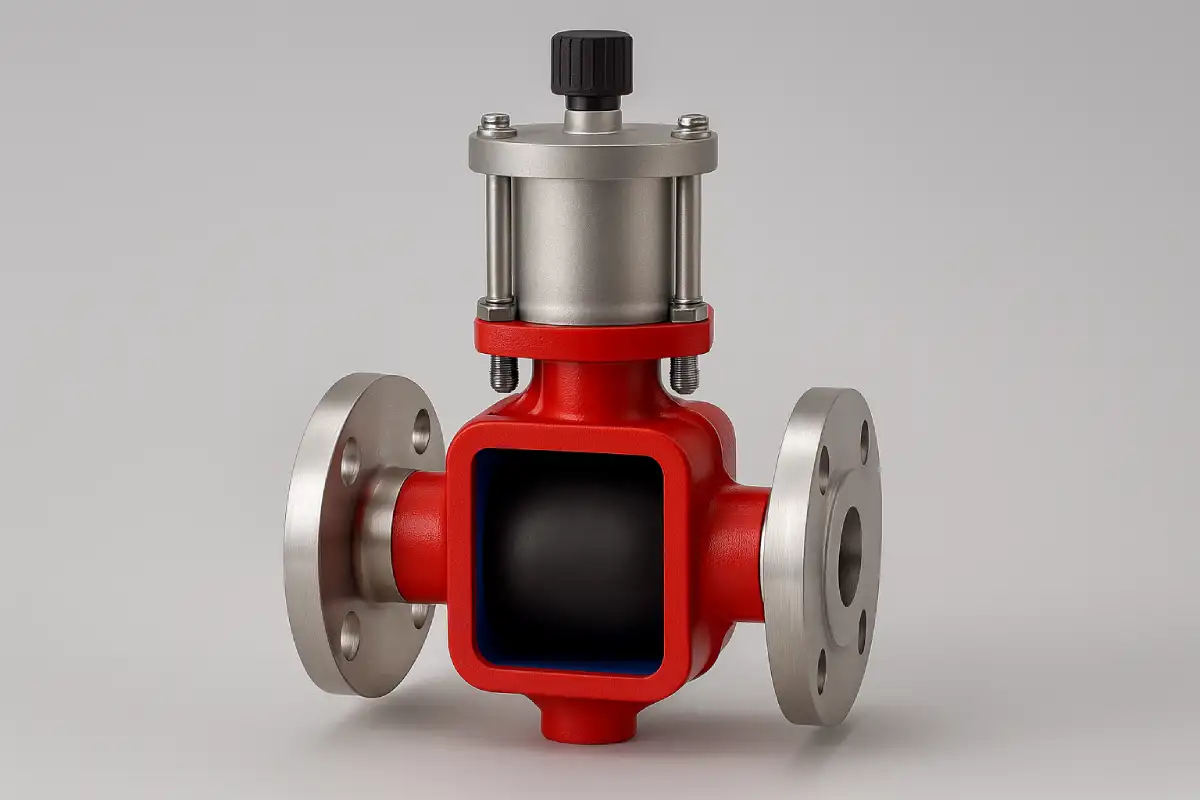
Yes, they are. Hygienic pinch valves are specially designed to keep things clean and safe, which is why they’re so common in food, pharmaceutical, and biotech environments. Their smooth interior and dead-zone-free design make cleaning quick and reliable. And if the term is new to you, don’t worry, this article will walk you through what […]