Yes, they are. Hygienic pinch valves are specially designed to keep things clean and safe, which is why they’re so common in food, pharmaceutical, and biotech environments. Their smooth interior and dead-zone-free design make cleaning quick and reliable. And if the term is new to you, don’t worry, this article will walk you through what hygienic pinch valves are, how they operate, and why they’re a great fit for sanitary workflows.
As we explore how they work, we’ll also look at valve alternatives, give a brief pinch valve comparison, and touch on where pinch valves fit among the many types of control valves used in modern processing systems.
A hygienic pinch valve is a specialised valve used to control the flow of liquids or powders without contaminating them. The secret lies in its simple, smart design: it uses a flexible elastomer sleeve inside a metal housing. When compressed by air or mechanical force, the sleeve “pinches” shut, cleanly and securely cutting off flow.
Three Key Takeaways:
Sanitary pinch valves are specifically designed for environments where equipment must be cleaned without disassembly. That’s where CIP (Clean-in-Place) pinch valves come in.
These valves are:
For example, VMCE aseptic pinch valves meet EHEDG Type EL ASEPTIC Class I standards, offering sterile shutoff and ultra-clean surfaces.
In aseptic processes, preventing microbial contamination is critical. That’s why the aseptic pinch valve has become a top choice. With piggable and bacteria-tight features, these valves support fully enclosed and sterilizable systems.
They’re common in:
Here’s what makes these valves a hygienic hero:
| Feature | Benefit |
| Rubber sleeve | Only the sleeve contacts the product. |
| Full-bore design | No flow restriction = no residue. |
| No dead zones | Eliminates trapped particles. |
| Tri-clamp connections | Tool-free maintenance and secure seals. |
| Electropolished surface | Smooth finish reduces microbial risk. |
Producers such as Lianke utilize stainless steel 1.4408 or 1.4404 for valve housings and finish the interiors to a Ra of 0.8 μm to ensure superior cleanability.
Ensure aseptic conditions with our full-bore Pneumatic Pinch Valves. The simple sleeve design eliminates dead zones, making it ideal for CIP/SIP processes.
View Pinch Valve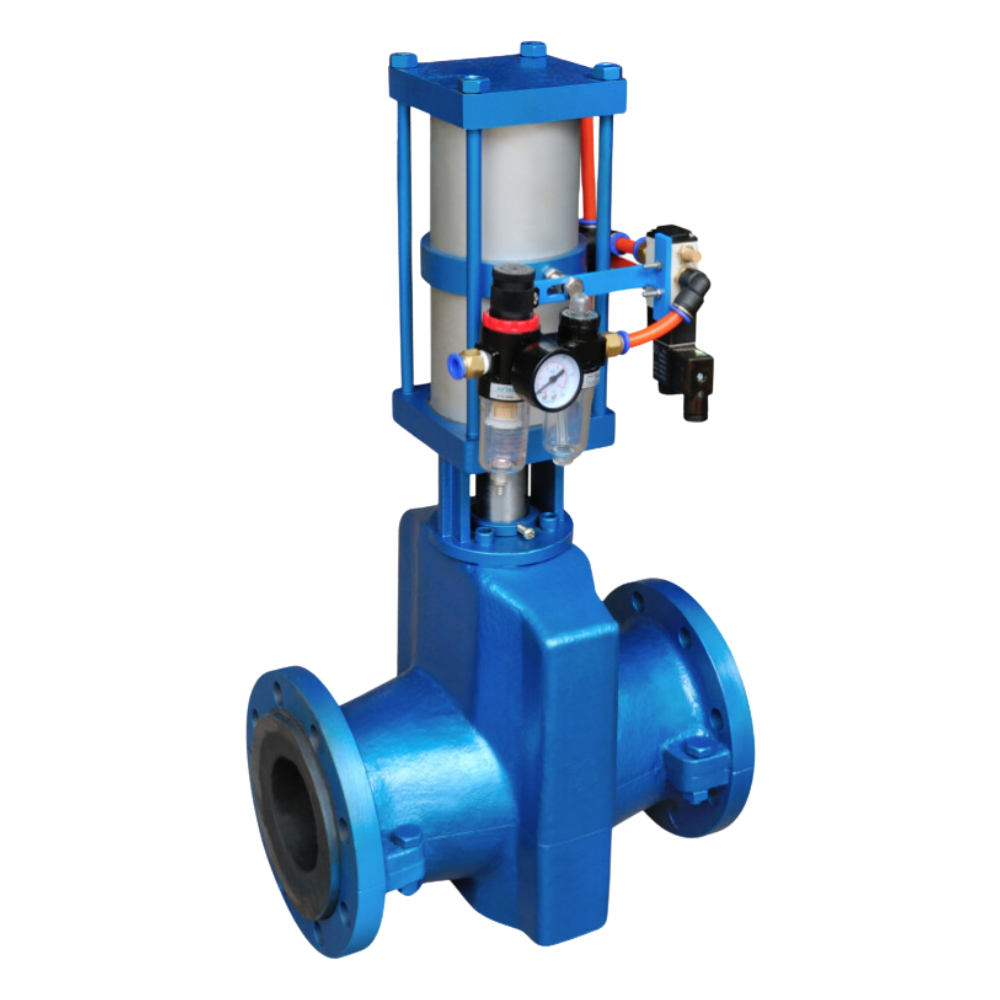
When evaluating valve alternatives for hygienic applications, pinch valves often stand out for their simplicity and ease of cleaning. In a quick pinch valve comparison, diaphragm valves, ball valves, and butterfly valves all have multiple internal components that come into contact with the product, which can introduce crevices or require more intensive cleaning.
Pneumatic pinch valves, on the other hand, rely on a single elastomer sleeve, with no complex internal geometry or hidden pockets. Among all types of control valves, pinch valves are especially valued in sanitary settings because they provide full-bore flow, zero dead zones, and minimal contamination risk.
Ensure aseptic conditions with our full-bore Pneumatic Pinch Valves. The simple sleeve design eliminates dead zones, making it ideal for CIP/SIP processes.
View Pinch Valve
For clean and reliable flow control, hygienic pinch valves are hard to beat. They keep your product safe, make upkeep simple, and follow international sanitary standards. And if you need a supplier you can count on, Lianke Valve has been making quality valves since 1982. Check out our lineup of hygienic pinch valves to find the right fit for your operation.
Discover our comprehensive guide to pinch valve technology.
Explore Manufacturing Capabilities
Valves are everywhere in industrial processes—controlling flow, isolating equipment, and protecting systems from overpressure. Yet for many engineers and technicians, the range of options can feel overwhelming. This guide covers the fundamentals of industrial valves, with a closer look at three widely used types: the lined valve, the pinch valve, and the stainless steel ball […]
Valve installation looks simple on paper—until you’re on-site, the flanges don’t line up, and the process fluid is waiting. In reality, poor installation is one of the leading causes of premature valve failure, leakage, and costly downtime. Whether you’re working with a lined valve, a strainer, or a pinch valve, the same fundamental rules apply. […]
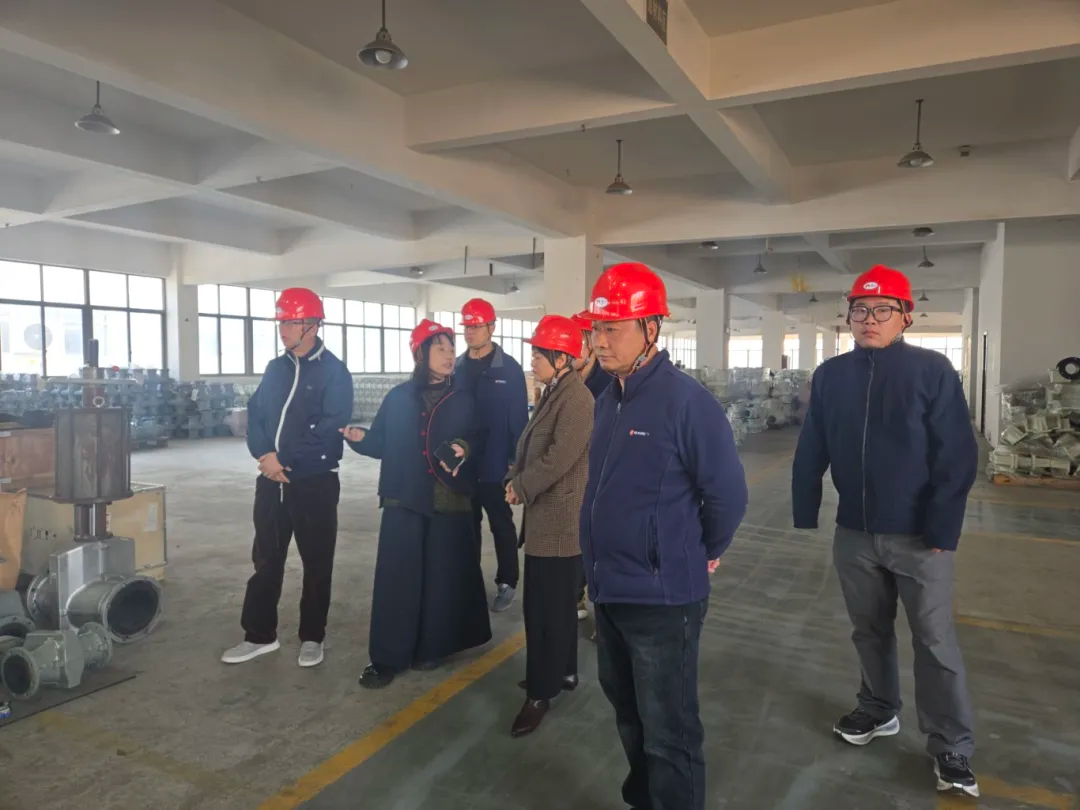
Lianke Valve Co., Ltd. has just wrapped up a busy and rewarding season of site visits. Over the past two weeks, we have hosted several groups of clients from home and abroad. They came with different goals, yet all turned their attention to Lianke’s manufacturing strength and technical expertise. Juhua Group, Quzhou In early March, […]

Recently, the production workshop at Lianke Valve has been bustling with activity, where production, inspection, packaging and other processes operate in efficient coordination. After rigorous multi-stage quality checks, a batch of high-quality pinch valve products has been packed and shipped, setting off for Russia. Export Product Case The pinch valves in this bulk shipment are […]