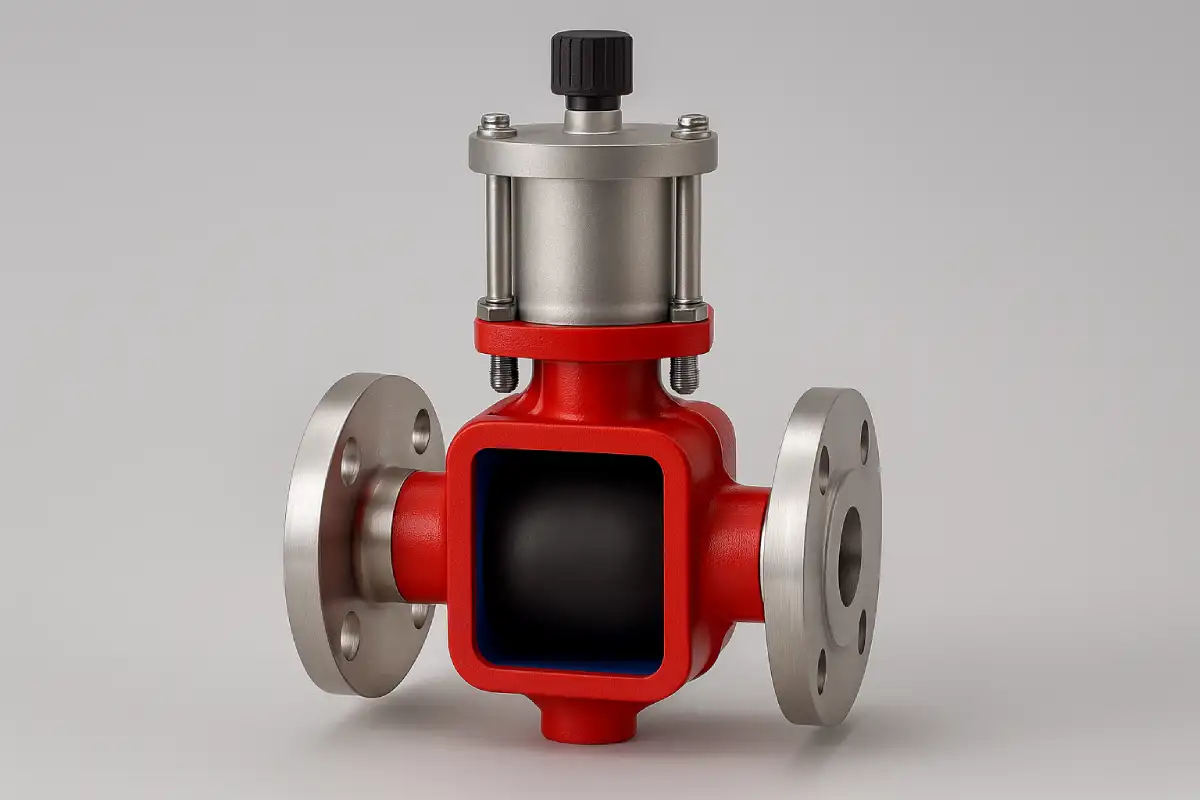
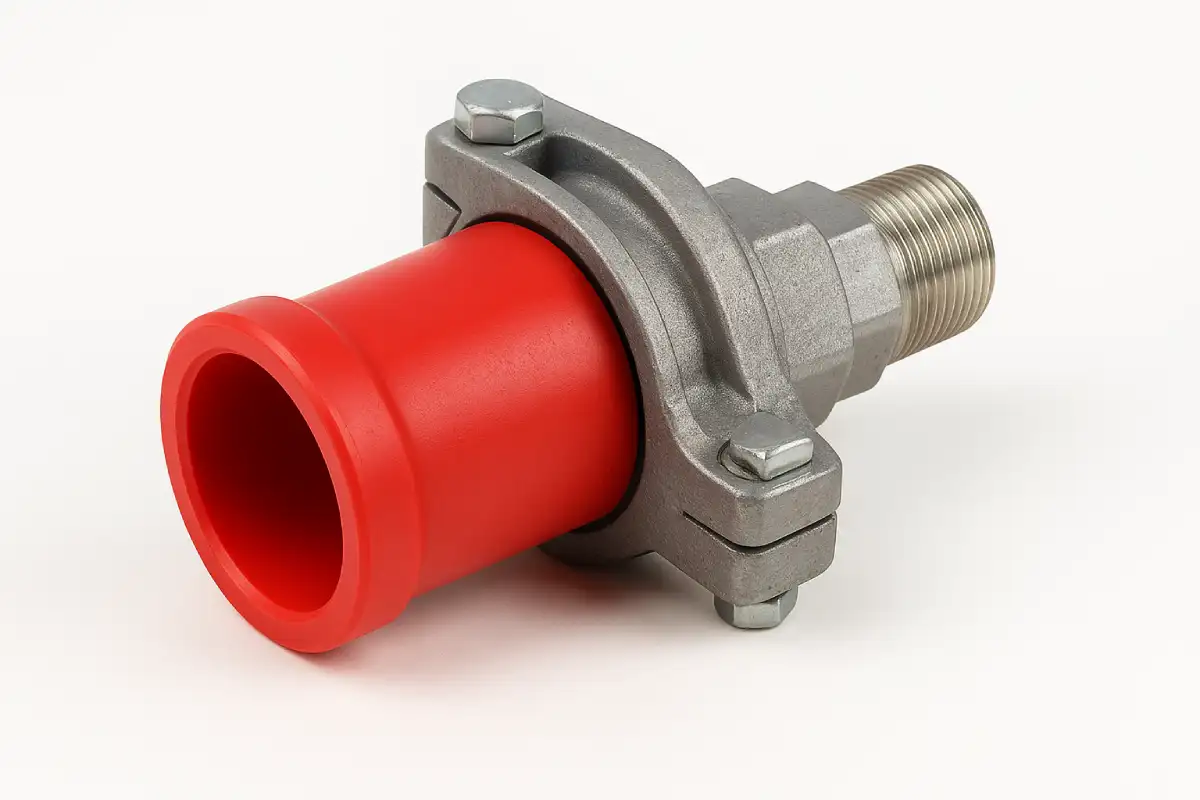
A pinch valve adapter connects a vanne à pincement pneumatique or manual valve to pipes, tubes, or other parts of a system. With this connector, the valve can manage liquid or gas flow without leaks or strain. It also lets the valve fit in tight or unusual setups. This reduces operational risks and improves overall performance. This guide will show you what the adapter does, why it’s important, and where it’s used.
A pinch valve adapter connects the valve body effectively to the piping system. Its primary mechanical function is to keep the flexible sleeve aligned so the valve opens and closes without leaks. From there, it ensures the connection stays secure even with different pipe sizes or flange standards. As a result, the entire setup stays compatible and works smoothly.
This matters because these valves often handle difficult media. A strong adapter protects the internal components and reduces wear during operation. It also helps maintain accurate flow control across heavy-duty pneumatic pinch valve applications. With this, the system aligns with the strict standards LIANKE Valve follows in its production processes.
If you are new to valves, think of the adapter as the “universal connector.” The pinch valve adapter purpose includes three main roles:
These features are crucial for industries using solids, chemicals, and wastewater—fields where pinch valves are popular due to their simple structure and reliable sealing performance.
Pinch valve adapters appear in almost every critical flow control application, including:
They help handle aggressive media safely by connecting lined or protected valves to chemical pipelines. Choosing the correct adapter material is as critical as knowing how to select sleeve material to prevent corrosion.
Handling aggressive chemicals? Our Fluorine Lined Ball Valves ensure safe, leak-free operation with PFA lining that resists corrosion better than standard adapters.
View Lined Valves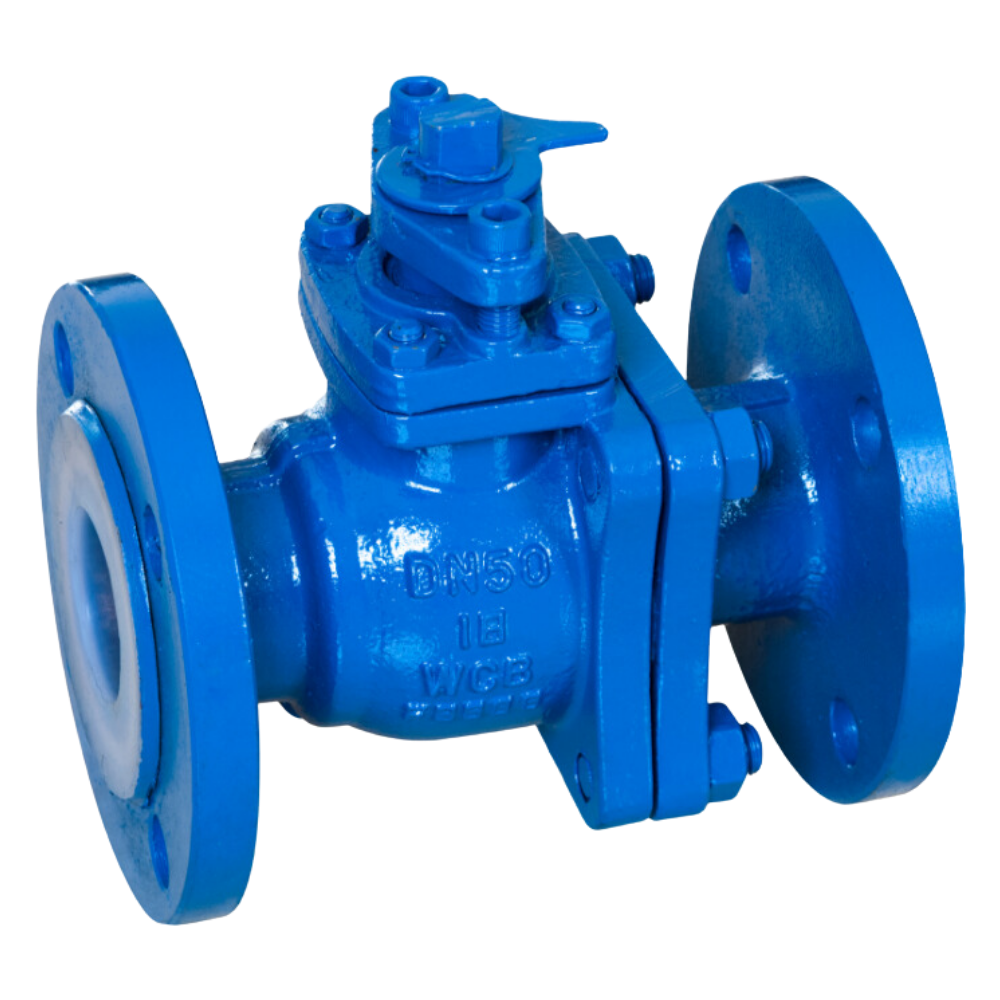
In mining and water treatment, slurries can cause significant vibration and wear. Adapters prevent clogging and allow valves to be replaced without changing the whole pipeline structure.
Prevent clogging in wastewater pipelines. Our Pneumatic Pinch Valves are designed to handle heavy abrasive slurries with easy maintenance and robust connections.
View Pinch Valve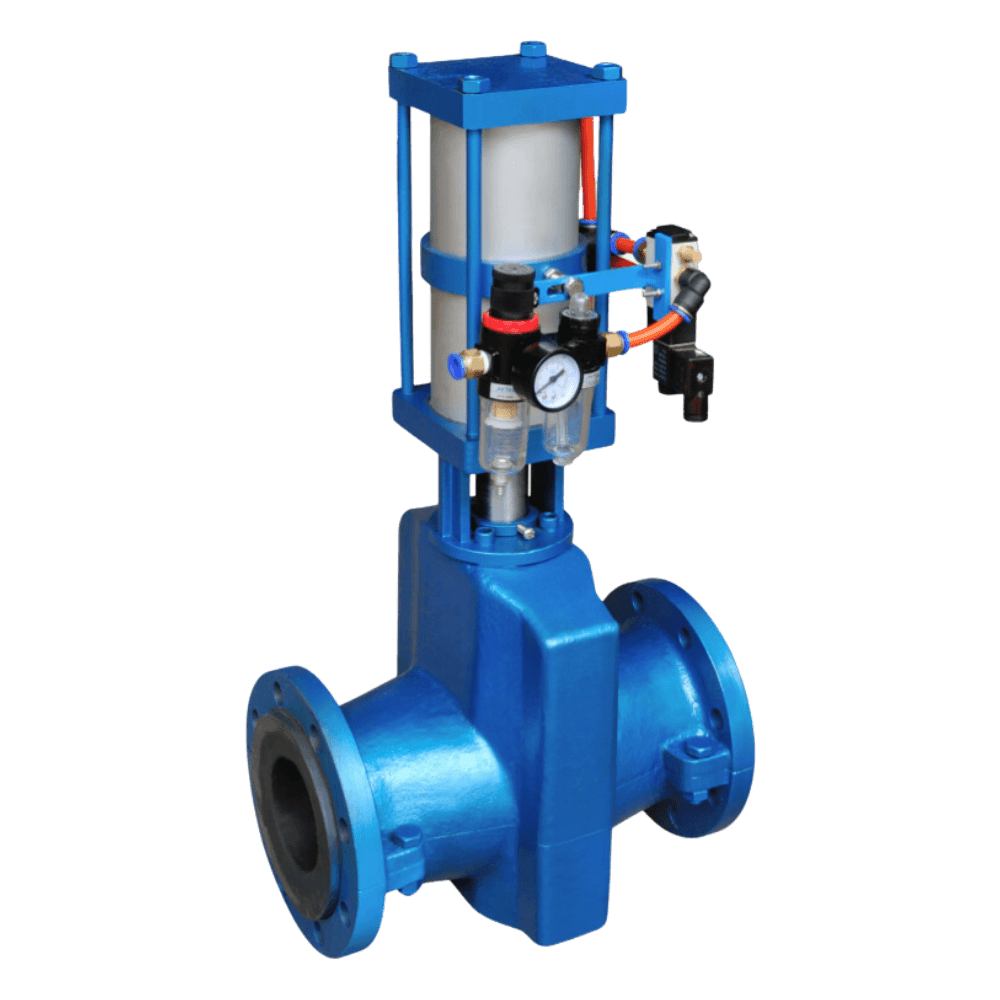
They support clean, contamination-free flow paths, especially when hoses or sanitary pipes need specialty fittings (like Tri-Clamp adapters).
Pinch valve fittings help control pulp, pigments, and process water with minimal wear. In all these settings, the pinch valve adapter ensures the system remains stable, secure, and easy to maintain.
These advantages support system reliability, which aligns with the quality goals seen in Vanne LIANKE‘s ISO-certified manufacturing approach.
A pinch valve adapter may look small, but it performs an important job. It helps the system stay safe and run well. When you upgrade your setup or choose a new pinch valve fitting, selecting a high-quality adapter can improve your whole system. For valves you can trust, take a look at Lianke Valve’s pinch valve collection. Their products are made to handle real work and last a long time.
Discover our comprehensive guide to pinch valve technology.
Explore Manufacturing Capabilities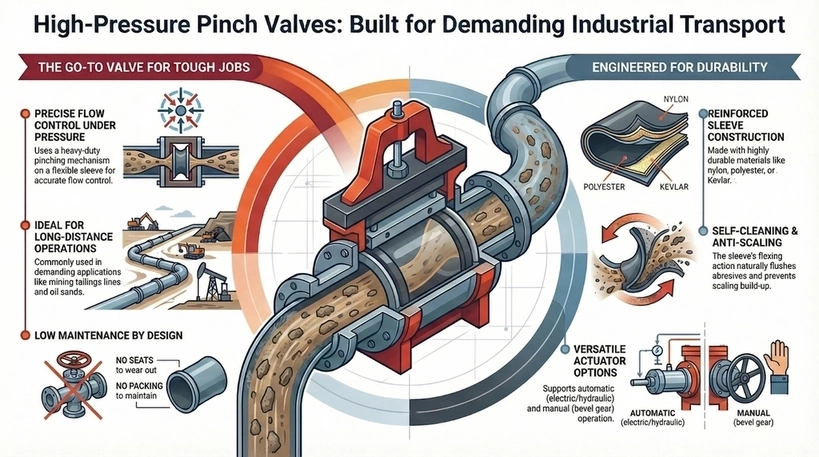
High pressure pinch valves, like PN16 pinch valve and class 150 pinch valve designs, involve a rugged and heavy-duty pinching mechanism in positioning the sleeve, resulting in an almost accurate and measurable flow of media. This kind of valve is popular and commonly used for long distance operations in mining tailings lines or oil sands, […]
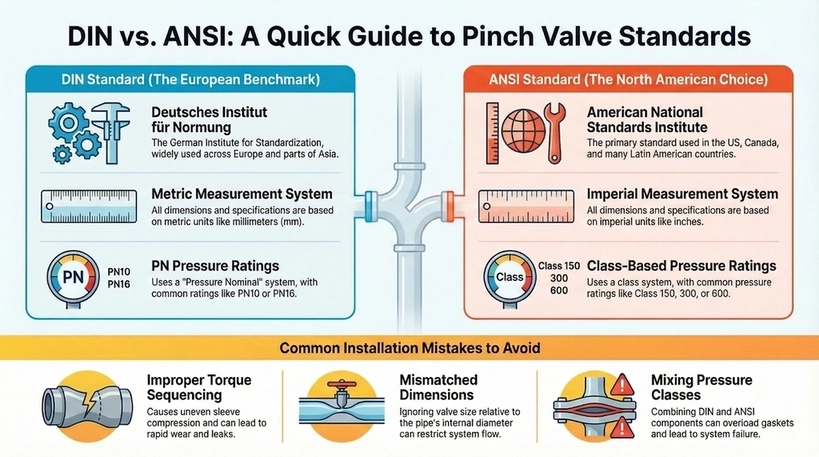
Understanding pinch valve dimensions and flanges ensures seamless integration into piping systems, particularly when choosing between DIN vs ANSI. The two are different but commonly used standards by organizations in engineering, manufacturing, and product design. DIN was developed in Germany but widely adopted across Europe and parts of Asia. Meanwhile, ANSI standards, which originate from […]
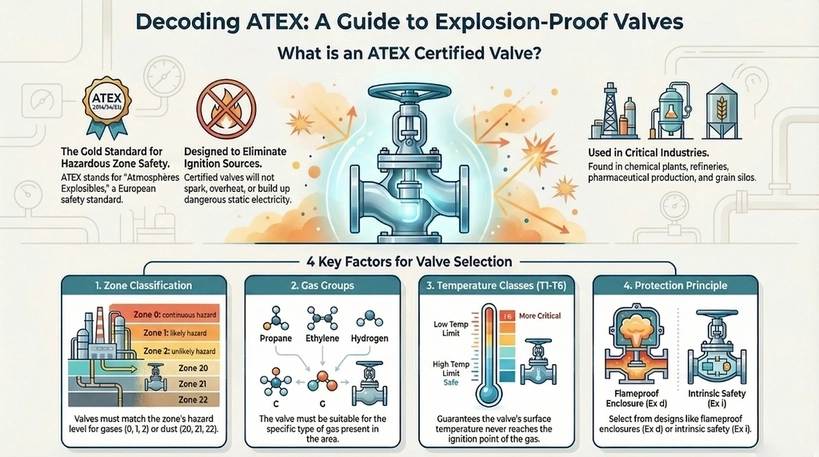
Selecting the appropriate explosion proof valve is essential for safety in industries that pose explosion risks. ATEX certified valves guarantee compliance with European standards, preventing ignition sources from heat, sparks, or static electricity. This blog explores key factors for choosing ATEX certified explosion proof valves that ensure overall operational safety, highlighting the entailed regulations and […]
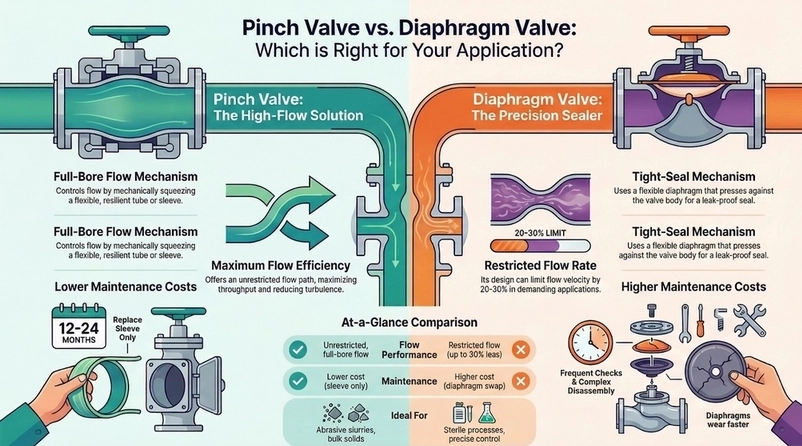
When handling abrasive or viscous media in industrial processes, the type of valve used can heavily affect the performance, efficiency, and overall user experience. In relation to this, two of the most common valve options are pinch and diaphragm valves. In this blog, we delve into the pinch valve vs diaphragm valve discussion, analyzing flow […]