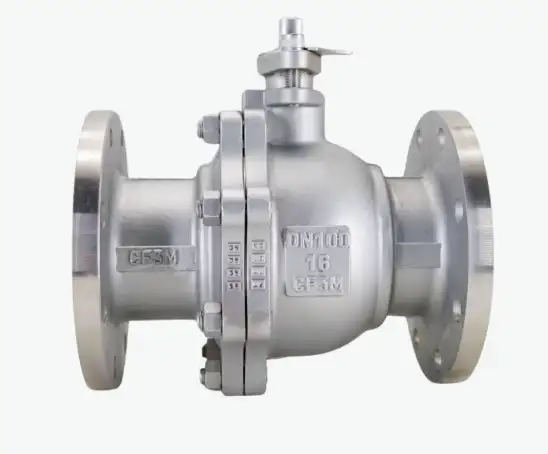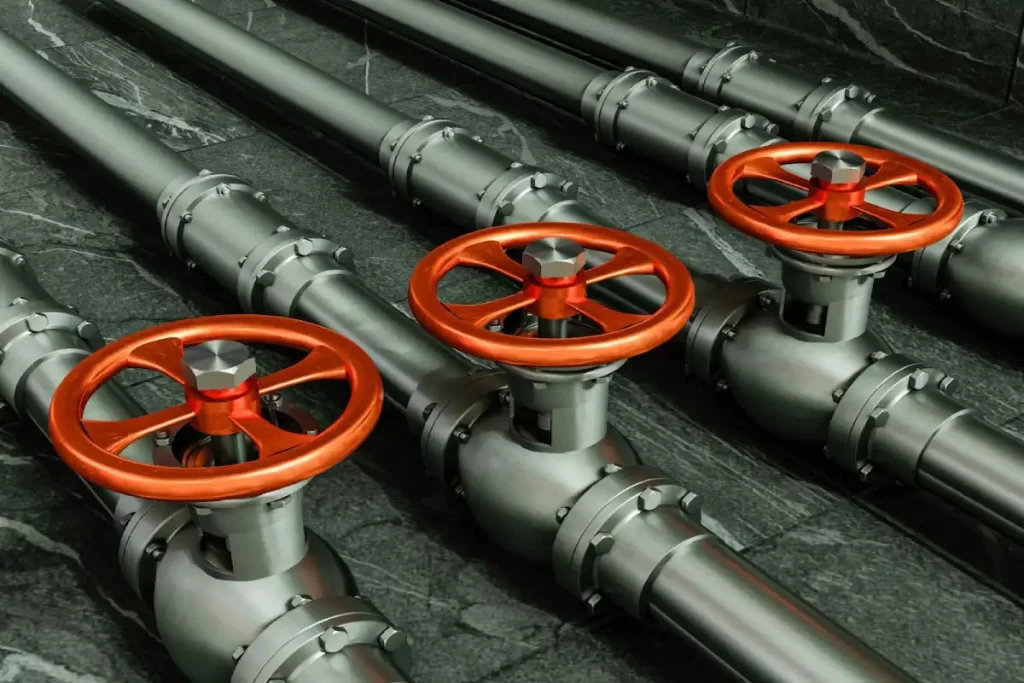
When people ask, “Are stainless steel valves better than titanium?” the simple answer is: they are better for durability, heat resistance, and long-term reliability, while titanium is better for high-speed, lightweight performance. This article breaks down the stainless steel vs titanium valve debate in clear, beginner-friendly language so you can choose the best material for your engine or system. You’ll learn how each material behaves under heat, pressure, maintenance, and real-world use, plus how industries compare them during valve material comparison.
When comparing stainless steel vs titanium valve performance, heat is a major factor. Titanium handles moderate heat, but it weakens when temperatures get very high. That is why titanium intake valves work well—the intake side runs cooler. However, exhaust environments are much hotter.
Stainless steel stays strong in these extreme zones. It handles heat better and remains stable for longer. Its natural stainless steel corrosion resistance also helps in harsh conditions where oxidation could occur.
Titanium offers real benefits for racing, but it needs careful maintenance. It requires clean oil and regular checks. Its protective coatings can wear away if service is delayed.
In a valve material comparison, stainless steel is more forgiving. It resists wear, holds its shape, and keeps a good seal over time. This makes stainless steel a dependable choice for daily use and critical industrial infrastructure.
Titanium performs well in high-RPM engines, but it costs more. It also needs strict upkeep. Stainless steel valves are more affordable and last longer. Their strength makes them ideal for many systems. They work well in engines, industrial equipment, and fluid-control setups. When choosing between stainless steel vs titanium valve options, stainless steel often gives the better long-term value.
Choose Titanium Valves If:
Choose Stainless Steel Valves If:
This stainless steel vs titanium valve comparison is simple: titanium is for speed, stainless steel is for strength.
Need more than standard steel? Explore our Fluorine Lined Valves, engineered for aggressive chemicals where long-term stability is non-negotiable.
View Lined Valve Options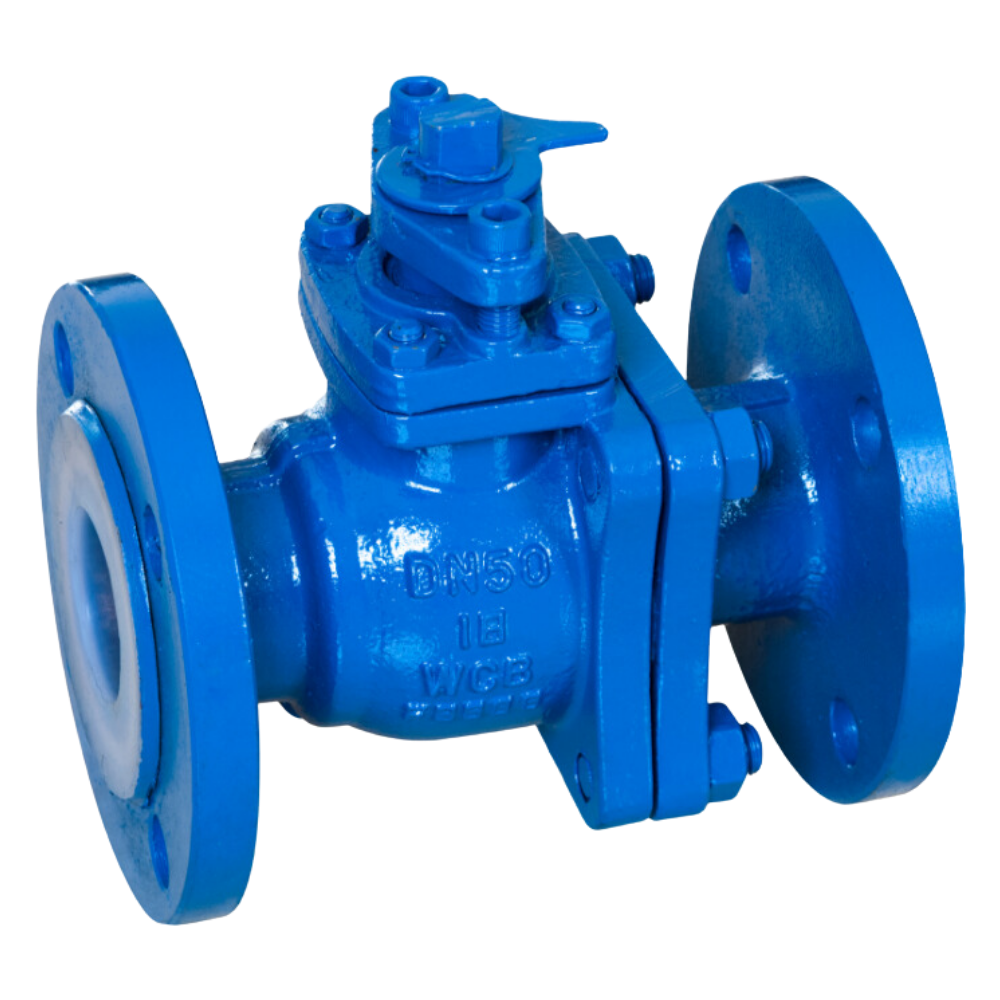
Choosing between stainless steel vs titanium valves comes down to performance goals. If you value durability, heat resistance, and lower upkeep, stainless steel is the practical winner. If maximum RPM is your priority, titanium shines.
If you’re building or upgrading any fluid control system, Vanne Lianke offers a full collection of high-quality stainless steel and vannes doublées designed for long-term stability and safety. Their decades of experience and modern manufacturing processes make it easy to get reliable solutions, including durable crépines, that fit your application.
The practical choice for durability and heat resistance. Our CF8/CF8M stainless steel valves offer superior reliability for industrial fluid control systems.
View Stainless Steel Valves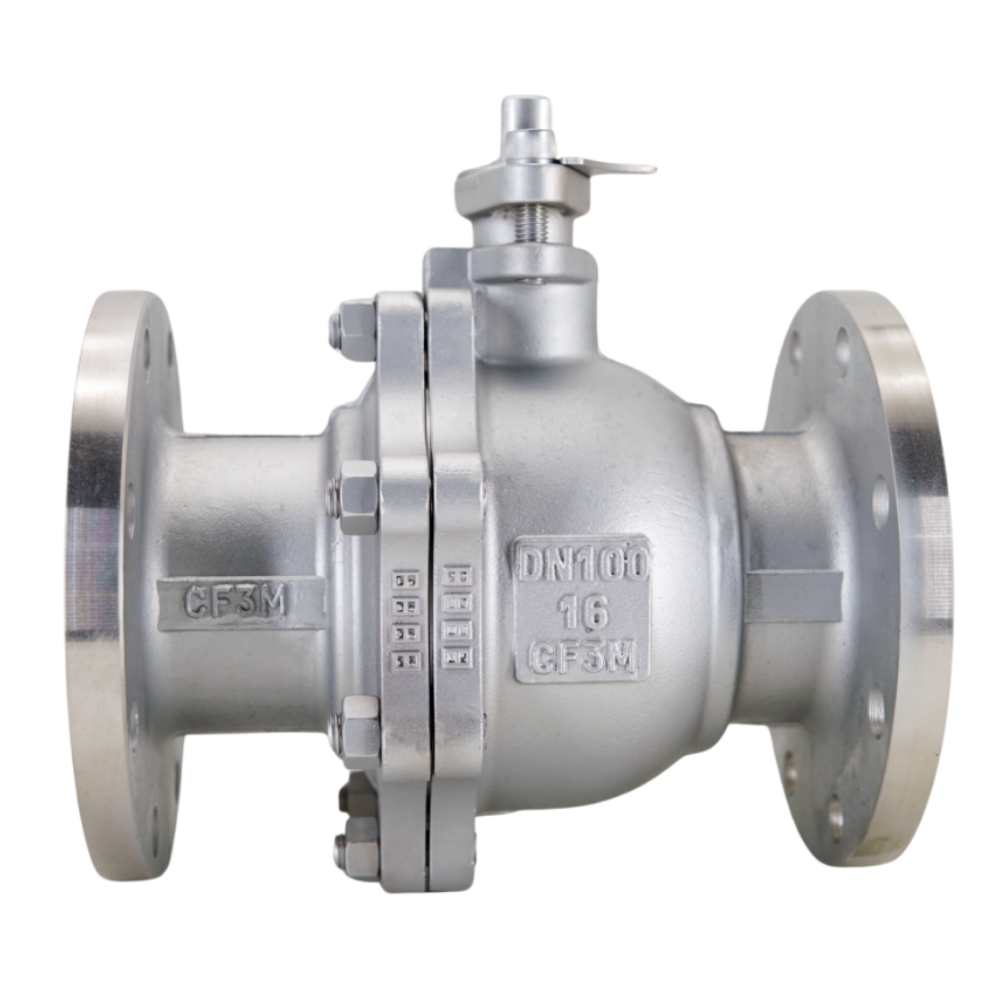
1.Are stainless steel valves more durable?
Yes. Stainless steel handles heat, wear, and corrosion better.
2.Do titanium valves make more power?
They help engines rev faster thanks to low weight.
3.Which one lasts longer?
Stainless steel usually lasts longer with less maintenance.
4.Is titanium worth the price?
Only if your build needs high RPM performance.
Discover our comprehensive guide to pinch valve technology.
Explore Manufacturing Capabilities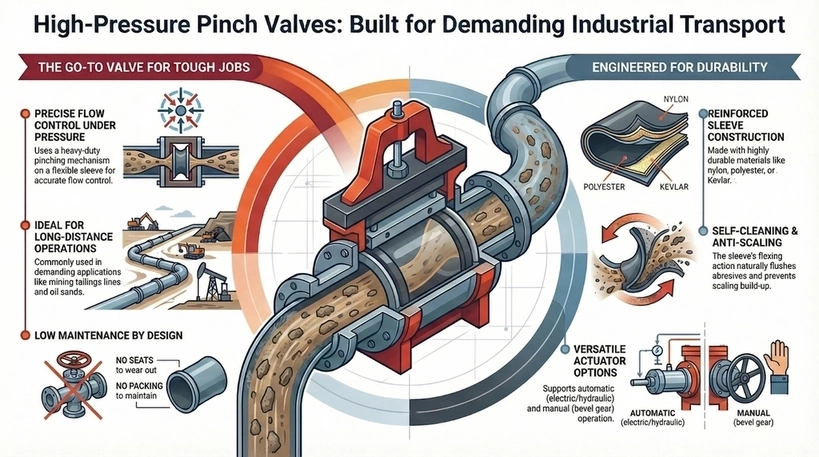
High pressure pinch valves, like PN16 pinch valve and class 150 pinch valve designs, involve a rugged and heavy-duty pinching mechanism in positioning the sleeve, resulting in an almost accurate and measurable flow of media. This kind of valve is popular and commonly used for long distance operations in mining tailings lines or oil sands, […]
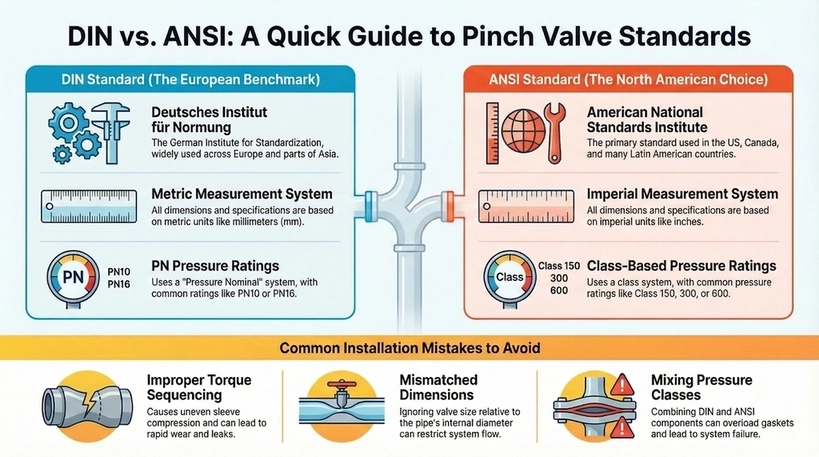
Understanding pinch valve dimensions and flanges ensures seamless integration into piping systems, particularly when choosing between DIN vs ANSI. The two are different but commonly used standards by organizations in engineering, manufacturing, and product design. DIN was developed in Germany but widely adopted across Europe and parts of Asia. Meanwhile, ANSI standards, which originate from […]
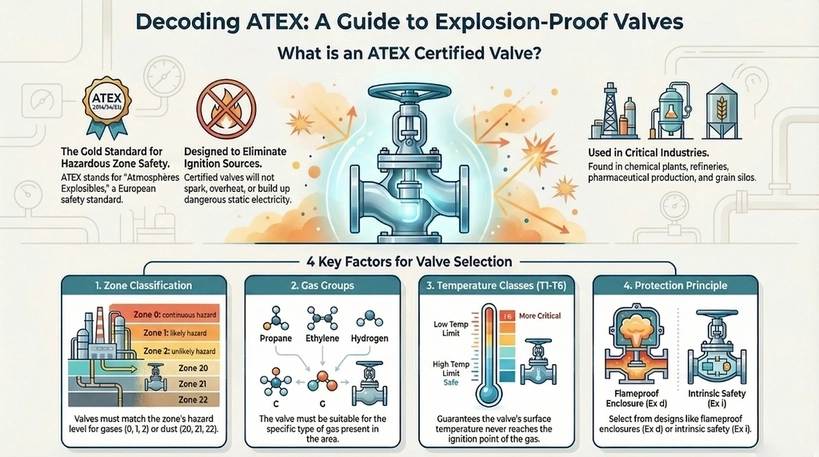
Selecting the appropriate explosion proof valve is essential for safety in industries that pose explosion risks. ATEX certified valves guarantee compliance with European standards, preventing ignition sources from heat, sparks, or static electricity. This blog explores key factors for choosing ATEX certified explosion proof valves that ensure overall operational safety, highlighting the entailed regulations and […]
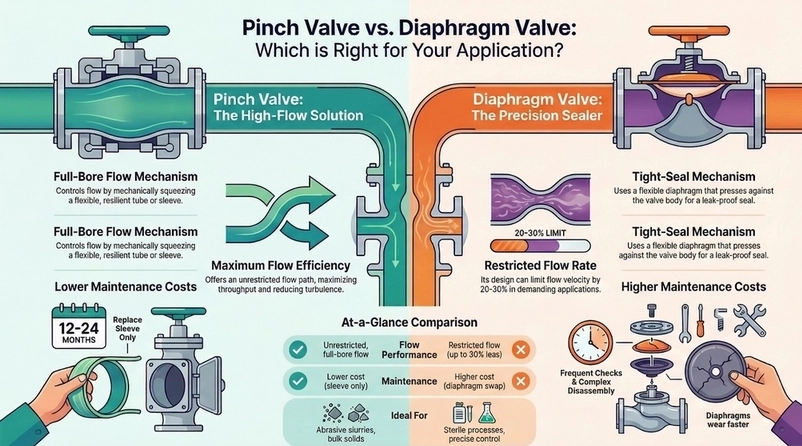
When handling abrasive or viscous media in industrial processes, the type of valve used can heavily affect the performance, efficiency, and overall user experience. In relation to this, two of the most common valve options are pinch and diaphragm valves. In this blog, we delve into the pinch valve vs diaphragm valve discussion, analyzing flow […]