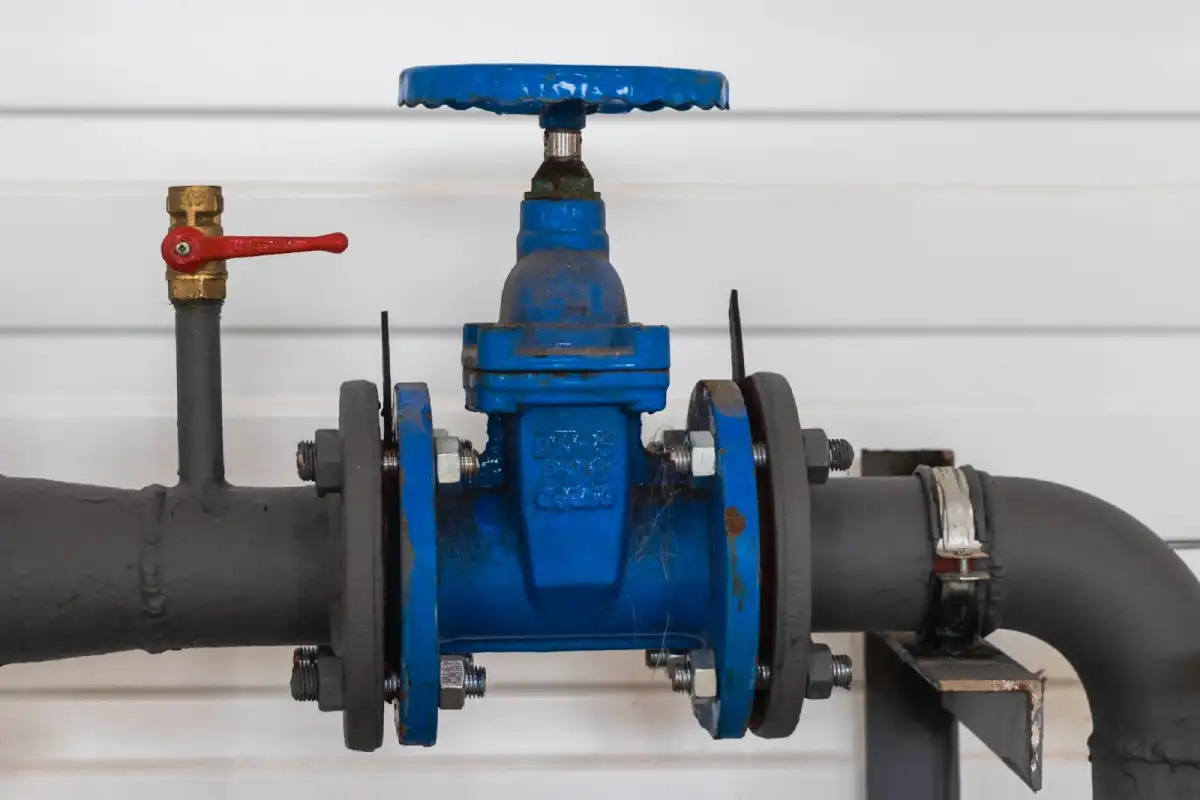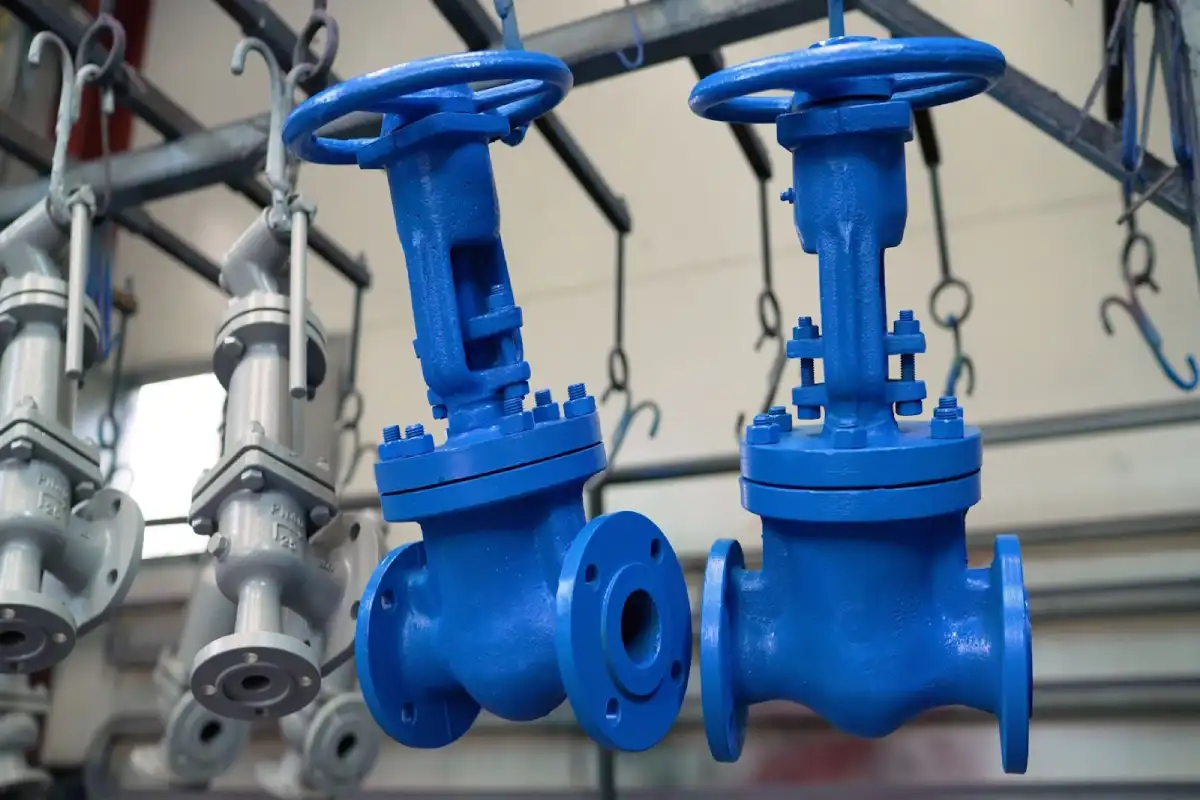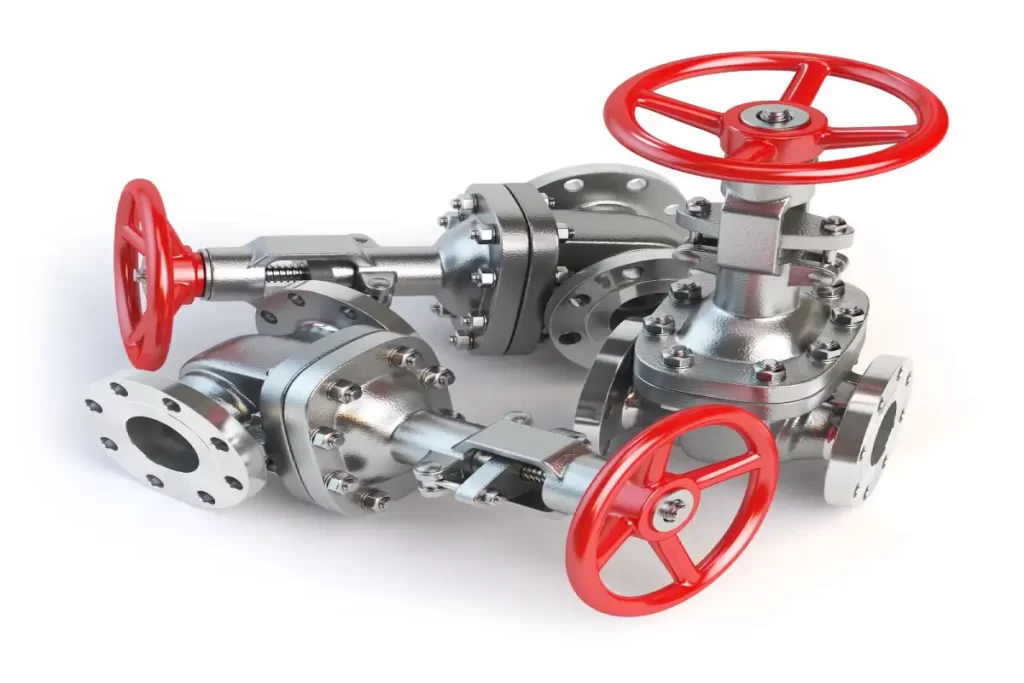
Industrial ball valves come in three main types: full port ball valve, reduced port ball valve, and venturi ball valve. Each design controls fluid flow differently and is built for specific pressure, flow rate, and efficiency needs. Knowing the three types of ball valves helps engineers, plant operators, and buyers choose the right option for reliable and cost-effective operation.
This guide breaks down how each type works, when to use them, and what beginners must know before purchasing.
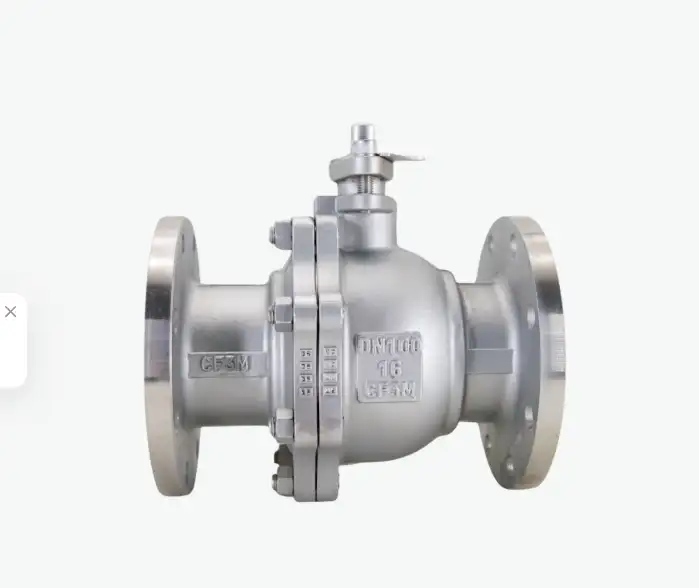
Full port ball valves, reduced port ball valves, and venturi ball valves differ in their internal bore openings. These openings affect flow capacity, pressure drop, and overall system efficiency.
Key takeaways:
A full port ball valve has an opening the same size as the connecting pipe. That means fluid passes through without obstruction, creating minimal pressure drop. This is ideal for industries that use cleaning pigs or transport thick, viscous, or solid-laden media. The full-size bore aligns directly with the pipeline for unrestricted flow.
Why choose it:
When to use: Choose a full port ball valve if you need full flow with minimal turbulence, such as in pump discharge lines, filtration systems, and main industrial supply pipelines.
Achieve maximum flow efficiency with our full-port design. PFA lining ensures superior resistance for chemical pipelines and corrosive media.
View Specifications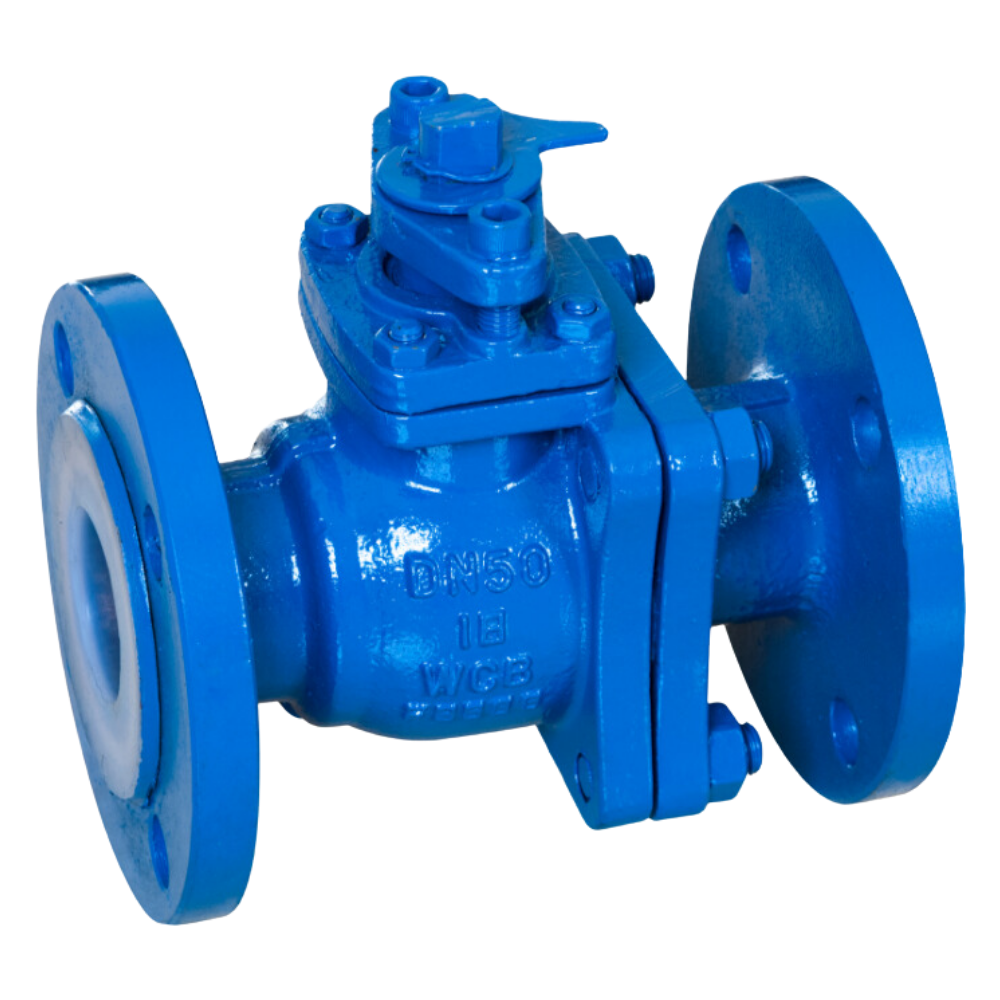
A reduced port ball valve (also known as a standard port valve) has a smaller internal opening. It is typically one size smaller than the connecting pipe. This reduces the flow rate but also reduces valve size and cost. For example, a 4-inch reduced port valve commonly has a 3-inch bore.
Why choose it:
When to use: Use a reduced port ball valve when full flow is not required, such as utility lines, general water systems, or moderate-pressure applications.
A venturi ball valve features an engineered tapered opening shaped like a “V” or a narrowed channel. This design stabilises flow, controls velocity, and reduces pressure gradually. Many valves used for throttling, flow control, and sensitive dosing operations use this geometry.
Why choose it:
When to use: Venturi ball valves work well in automated systems, HVAC balancing, dosing applications, and industrial processes requiring gentle pressure reduction.
Picking the right option among the three types of ball valves comes down to your pressure, flow, and efficiency needs. Whether you need maximum flow from a full port ball valve, compact performance from a reduced port ball valve, or controlled flow from a venturi ball valve, selecting the right type ensures safe and efficient operation.
Válvula Lianke offers a complete collection of industrial valves designed with strict manufacturing standards and long-term reliability. If you’re planning your next project, explore our lineup to find the right válvula de bola de acero inoxidable for your system.
The reliable standard for water, oil, and gas applications. Built with durable CF8/CF8M stainless steel for long service life and corrosion resistance.
View Product Details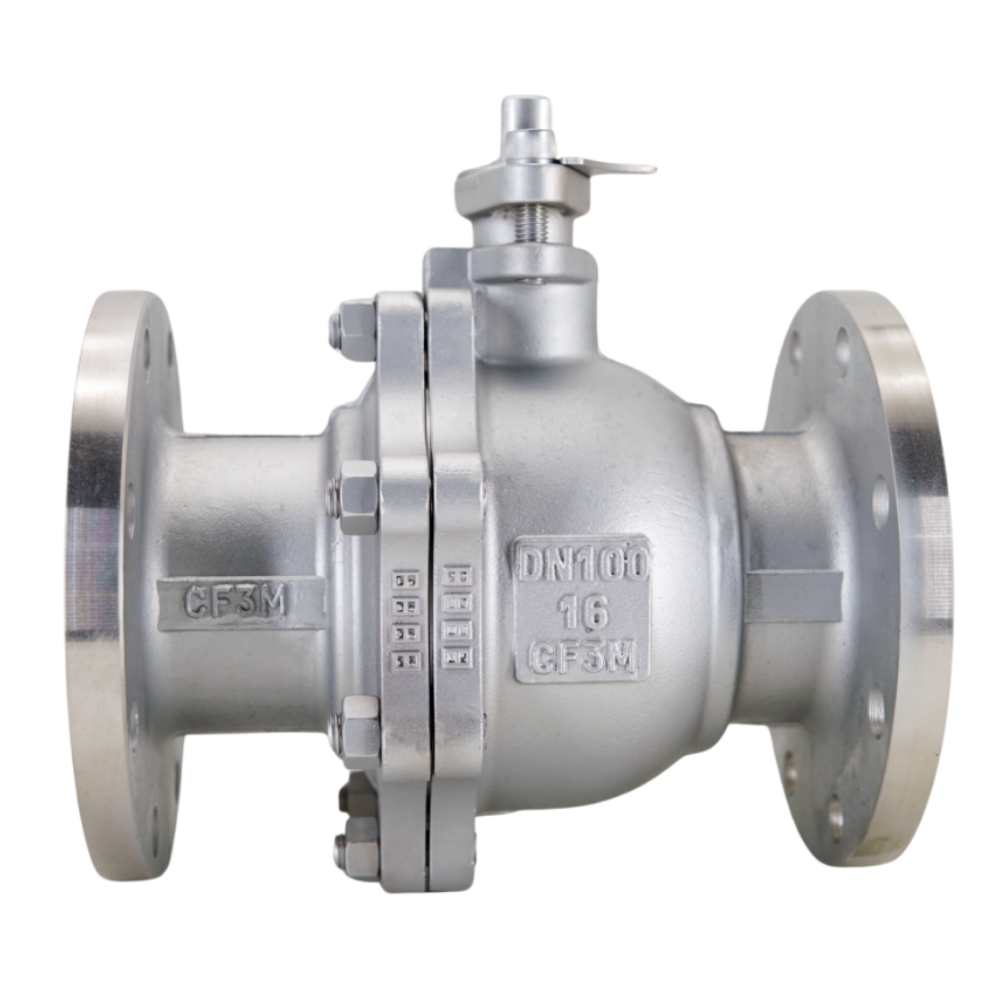
1.What are the three types of ball valves?
Full port, reduced port, and venturi ball valves.
2.Which type gives the highest flow?
A full port ball valve provides full pipeline flow.
3.Which type is most cost-effective?
Reduced port ball valves are smaller and more economical.
4.Which type is best for flow control?
Venturi ball valves provide smoother, controlled flow.
Discover our comprehensive guide to pinch valve technology.
Explore Manufacturing Capabilities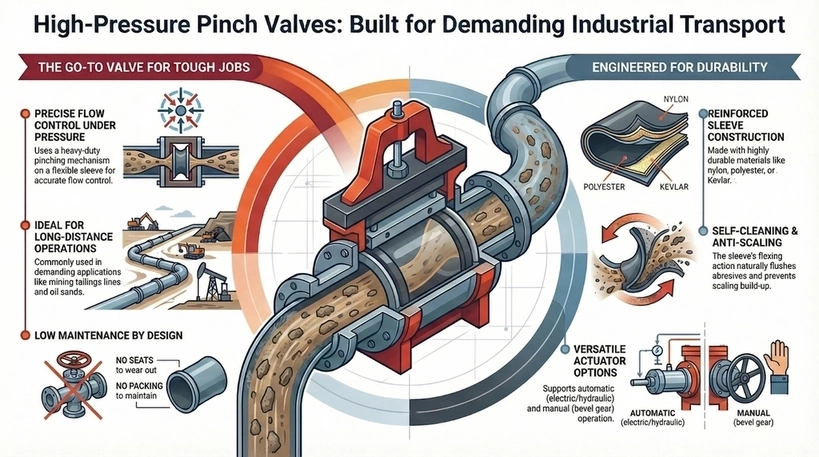
High pressure pinch valves, like PN16 pinch valve and class 150 pinch valve designs, involve a rugged and heavy-duty pinching mechanism in positioning the sleeve, resulting in an almost accurate and measurable flow of media. This kind of valve is popular and commonly used for long distance operations in mining tailings lines or oil sands, […]
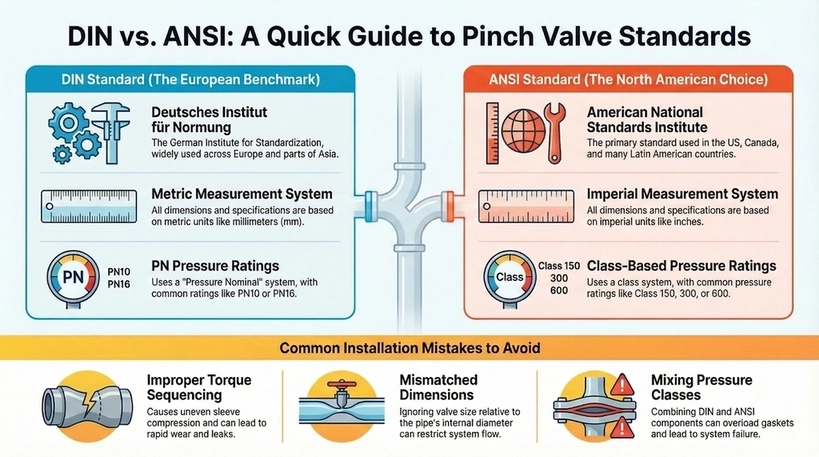
Understanding pinch valve dimensions and flanges ensures seamless integration into piping systems, particularly when choosing between DIN vs ANSI. The two are different but commonly used standards by organizations in engineering, manufacturing, and product design. DIN was developed in Germany but widely adopted across Europe and parts of Asia. Meanwhile, ANSI standards, which originate from […]
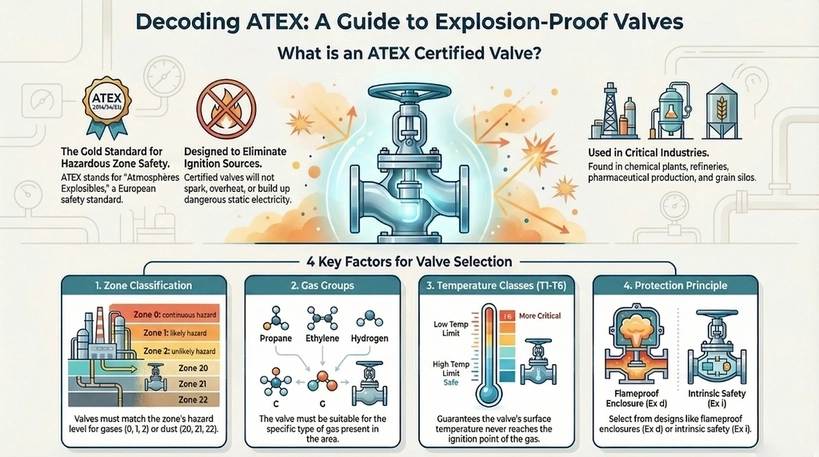
Selecting the appropriate explosion proof valve is essential for safety in industries that pose explosion risks. ATEX certified valves guarantee compliance with European standards, preventing ignition sources from heat, sparks, or static electricity. This blog explores key factors for choosing ATEX certified explosion proof valves that ensure overall operational safety, highlighting the entailed regulations and […]
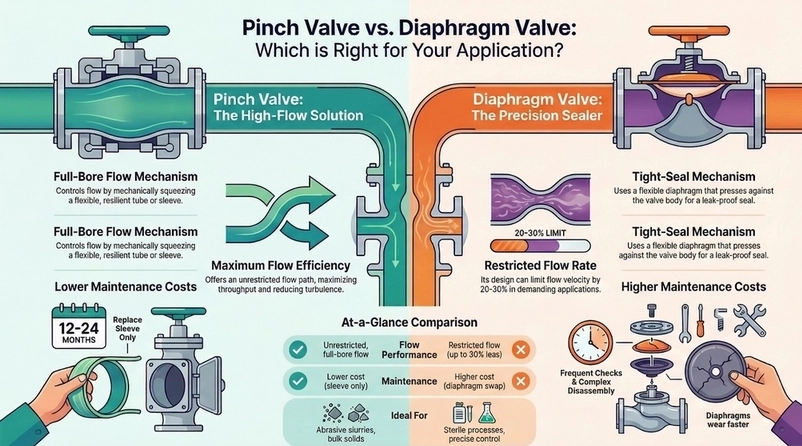
When handling abrasive or viscous media in industrial processes, the type of valve used can heavily affect the performance, efficiency, and overall user experience. In relation to this, two of the most common valve options are pinch and diaphragm valves. In this blog, we delve into the pinch valve vs diaphragm valve discussion, analyzing flow […]